

According to the occupiers’ statements, in 2025 fishermen increased the catch of pilengas in the Sea of Azov by 26%.
This is reported by pro-Russian media.
Thus, according to their data, coastal crews in 2025 allegedly caught 1.7 thousand tons of pilengas in the Sea of Azov and the Taganrog Bay, which is 26% more than the previous year’s figure.
It is noted that after 2019 the pilengas stock allegedly exceeded the critical level of 2 thousand tons.
Currently, according to the Russians, the population size has reached 18–22 thousand tons.
Recently the occupiers claimed that the stocks of migratory and semi-migratory fish in the Sea of Azov have fallen to a historic minimum. Species such as pike-perch, bream and chekhonya are on the verge of disappearance.
Earlier the occupiers reported that fishermen in 2025 allegedly caught 54 thousand tons of aquatic biological resources in the Azov and Black Seas. This is the highest figure in the last four years.
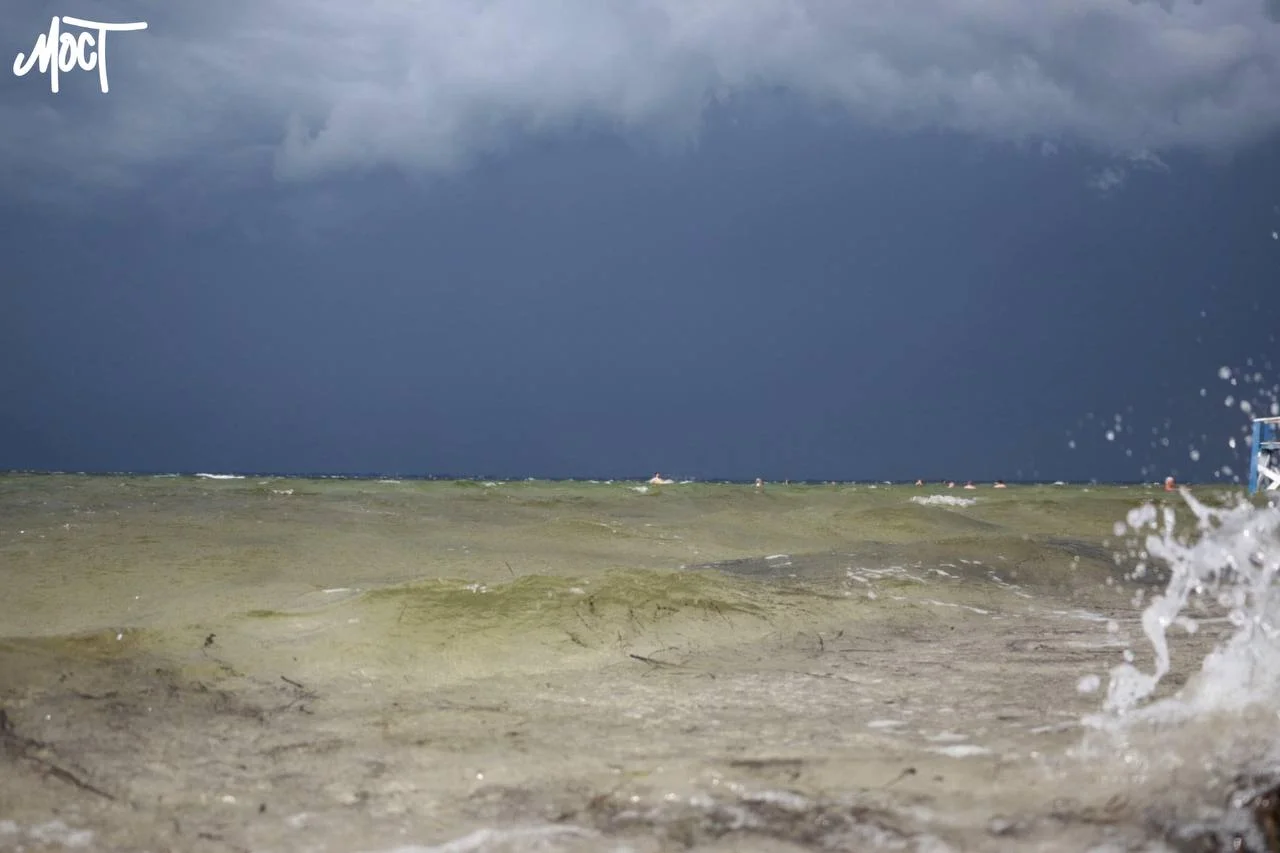
In May 2024 the occupation authorities acknowledged that the Sea of Azov is unsuitable for swimming due to an increase in plankton and jellyfish.
The Ukrainian authorities reported about the threat of the Sea of Azov’s extinction as early as May 2022. One of the reasons for this is the Russian bombing of “Azovstal”.
In February 2025 the occupiers stated that they had allegedly developed a project to protect the beaches of the Sea of Azov from jellyfish.