

A queue to the veterinary clinic in a frontline city — these are always stories. Stories of animals that were lucky enough to meet kind-hearted “leather-clad” people along the way. Someone brought a house cat, someone a stray dog picked up on the street.
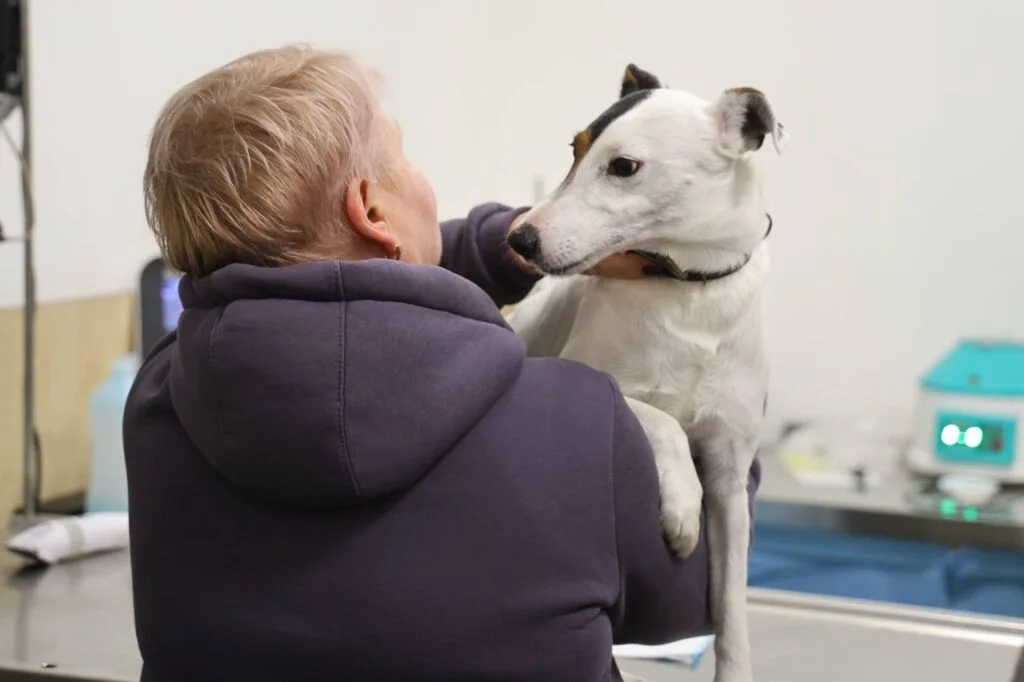
Oleksandr comes to the “Fauna” veterinary clinic in Kherson with a cat in his arms. He says the family pet has kidney stones and needs an ultrasound. According to him, such equipment is almost impossible to find across the city.
The “Fauna” veterinary clinic is one of the few operating in frontline Kherson. Moreover, it was opened after the start of the full-scale invasion. Here they treat both pets and stray animals, and those left without owners after evacuation.
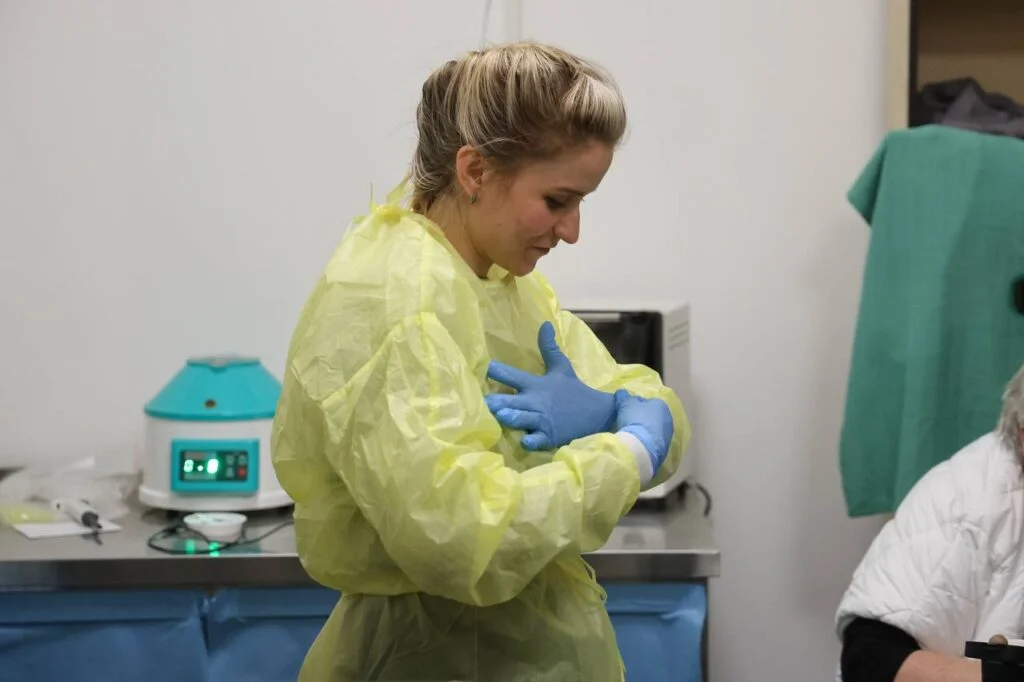
In special veterinary clothing a Fauna employee finds a way to the cat, pampers her with compliments, while already conducting the examination with a special device. Either the four-pawed is incredibly obedient, or she didn’t even have time to realize the procedure was already happening. The owner also tries to help. And, as they say, love is the best medicine. Because the whole time he holds her firmly under the paws and gently kisses her ear.
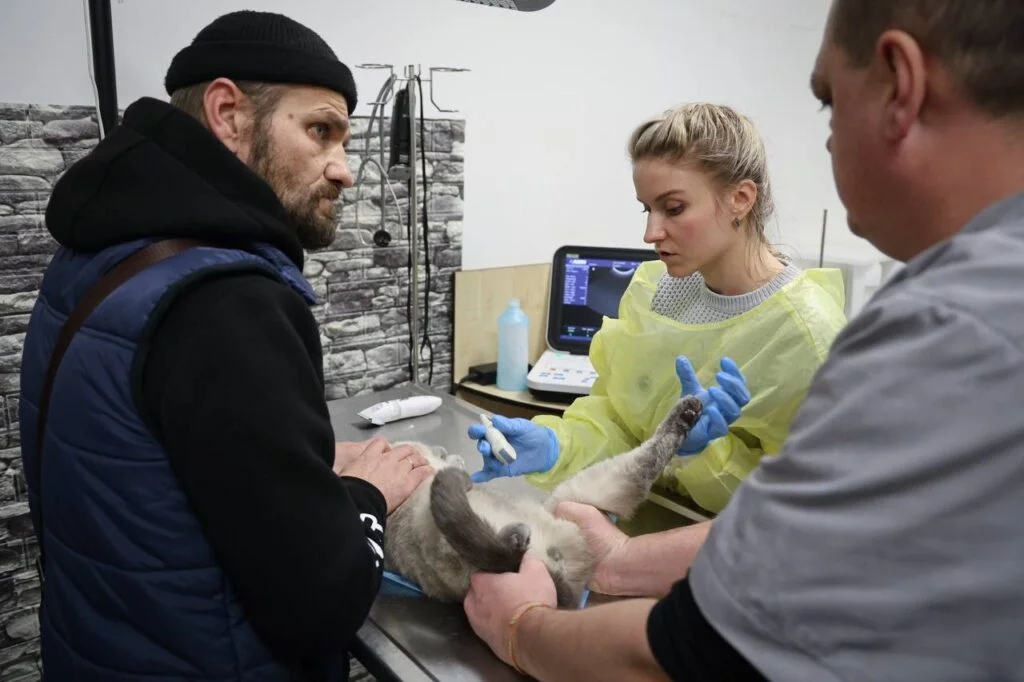
“We don’t have ultrasound at all in the city. This is the first clinic that has an ultrasound,” — explains Oleksandr.
Besides his pet, he also cares for stray animals. Oleksandr feeds four-pawed animals in the most dangerous districts — places few dare to go.
“There are a lot of animals, a lot of strays. I go just to feed in Antonivka, Sadovyi, those spots where few want to go. Well, clinics definitely,” — the man notes.
The next visitors came with the whole family. Olga and Oleksandr’s family brought a patriotic yellow-blue shopper bag, from which a dog’s nose later peeks out.
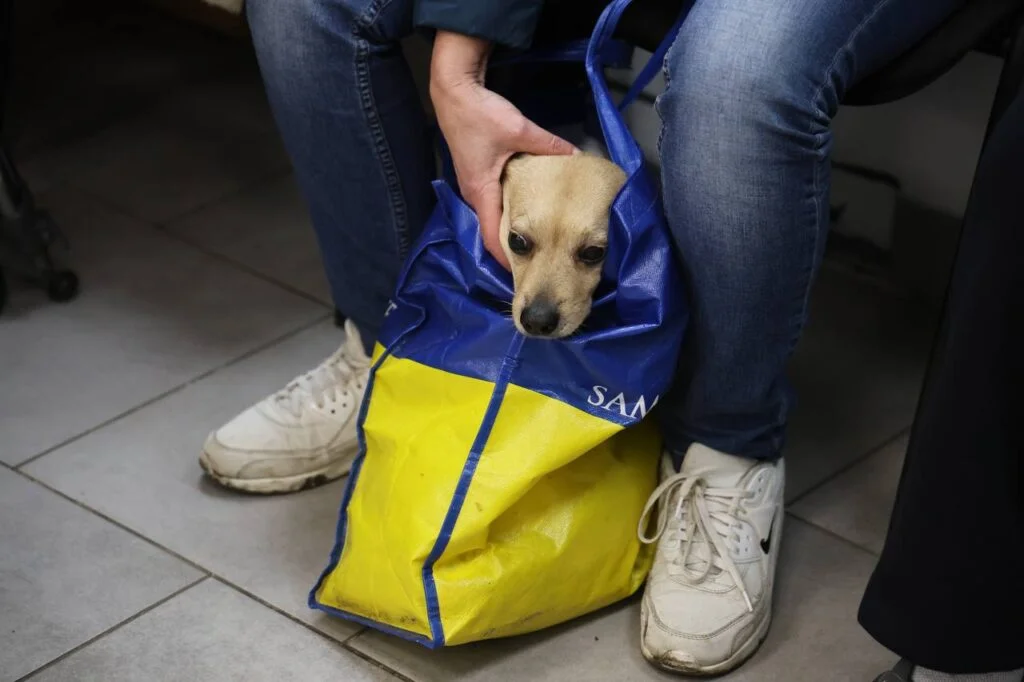
The dog Zeus has lived with their family for over 12 years. This story is also poignant: the woman found him on the street when she was going for bread, and now he is a full member of the family.
“She would come, with two loaves of bread in one hand and this in the other ( shows the size of the palm, how tiny Zeus was, – MOST)”, — recalls Oleksandr.
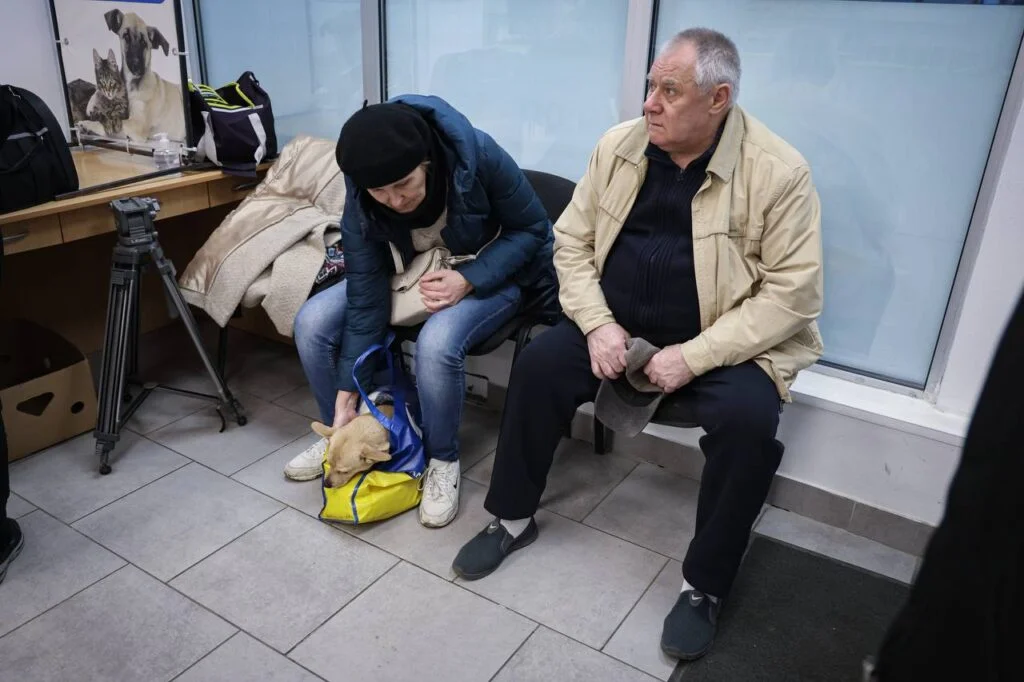
During the occupation the dog refused to eat the food the Russians left. He just wouldn’t eat — and that was it.
Now Zeus needs help, and the pensioners are counting money. They worry whether saving their furry one will be within their means.
“We’ll see what they say. And then we’ll see how the pension will be. We want him to live,” — the couple worries.
After some detailed examinations the owner of the facility delivers the verdict for the dog. He says it would be more appropriate to perform surgery on the four-legged patient.
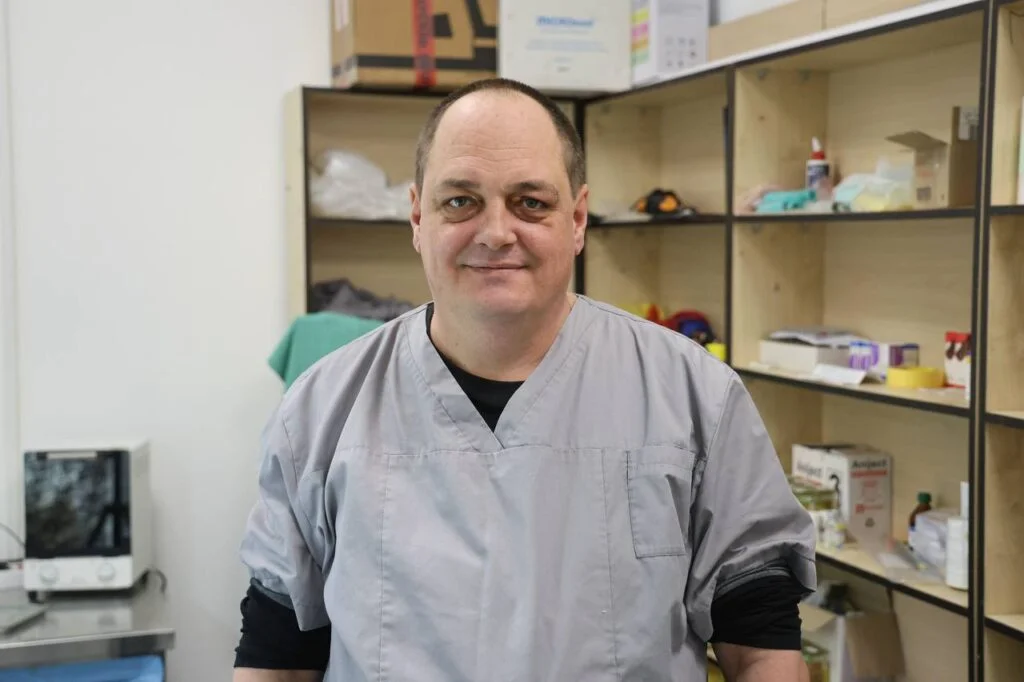
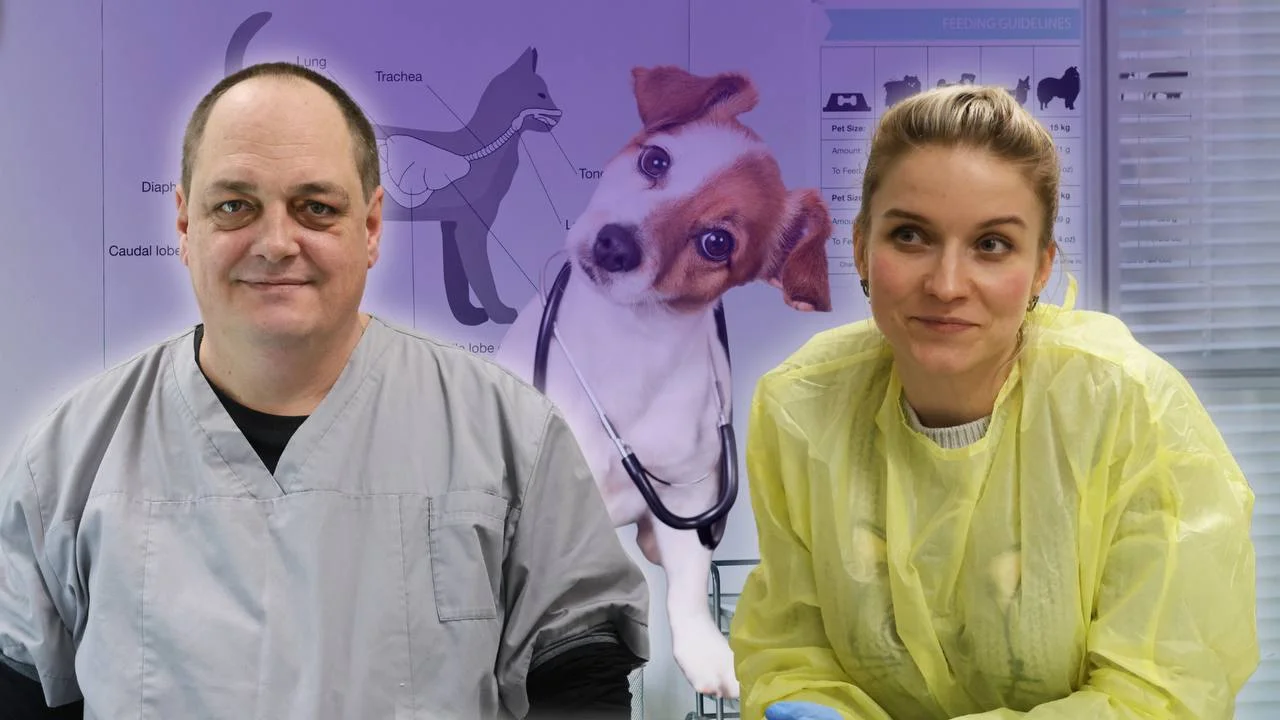
Before the war Serhiy Bessarab worked as a veterinarian at a state hospital. The salary was not enough, working became harder. So he gathered his savings and dared to do what he had dreamed of for years — he opened his own clinic.
“During the war I decided to open my own business. I collected some funds, opened the premises, and gradually it began to earn, to come together,” — Serhiy recounts.
The workload here depends on one factor: how many explosions there are today. The fewer — the more people go out with animals.
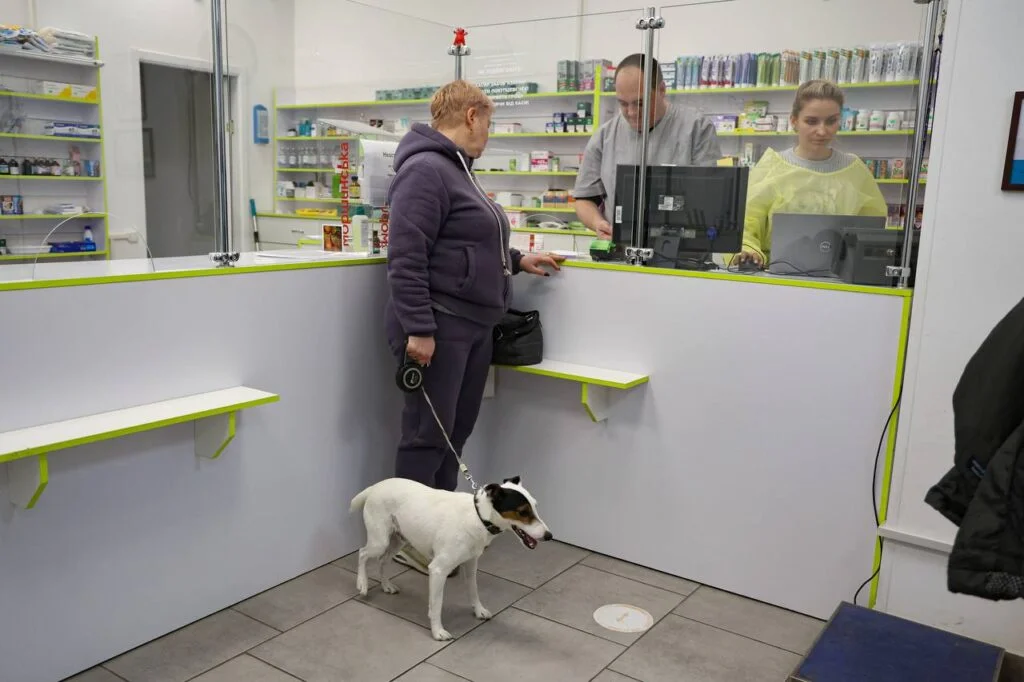
“As soon as something flies, something passes overhead, people always hide. So we can sit all day — as they say, you won’t see anything or anyone,” — adds the owner of “Fauna”.
The clinic does not work only with household animals. They sterilize strays under a contract with municipal enterprises.
“Right now I have a contract with the municipal enterprise “Garantiya” for stray animals, for sterilization. We are successfully fulfilling it,” — shares Serhiy Bessarab.
He also says that people sometimes bring animals found on the street for sterilization themselves — although such cases are few.
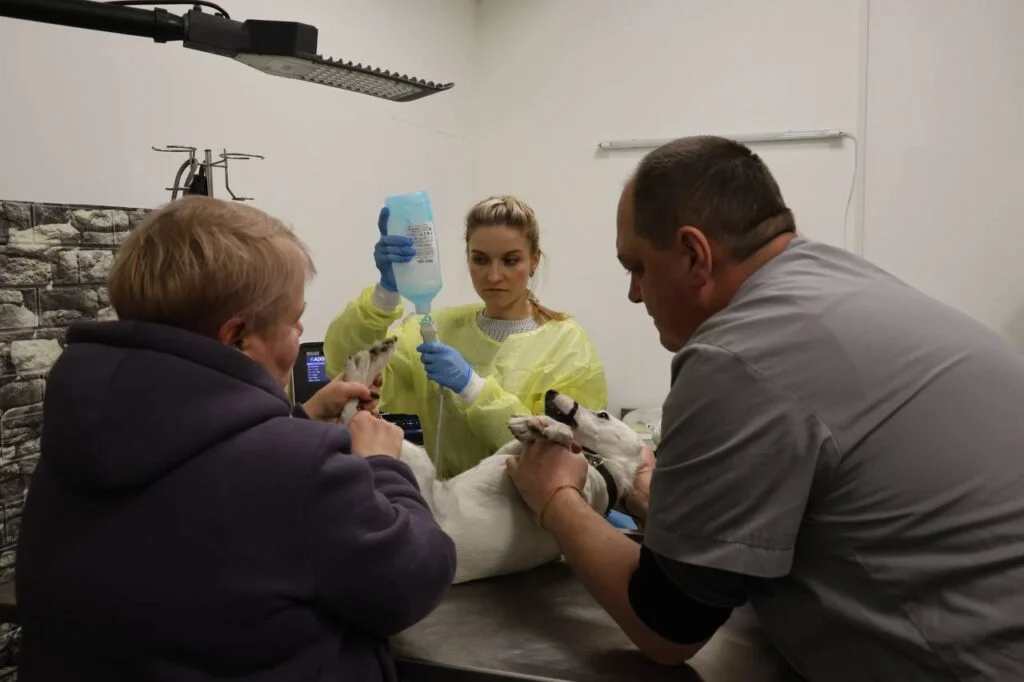
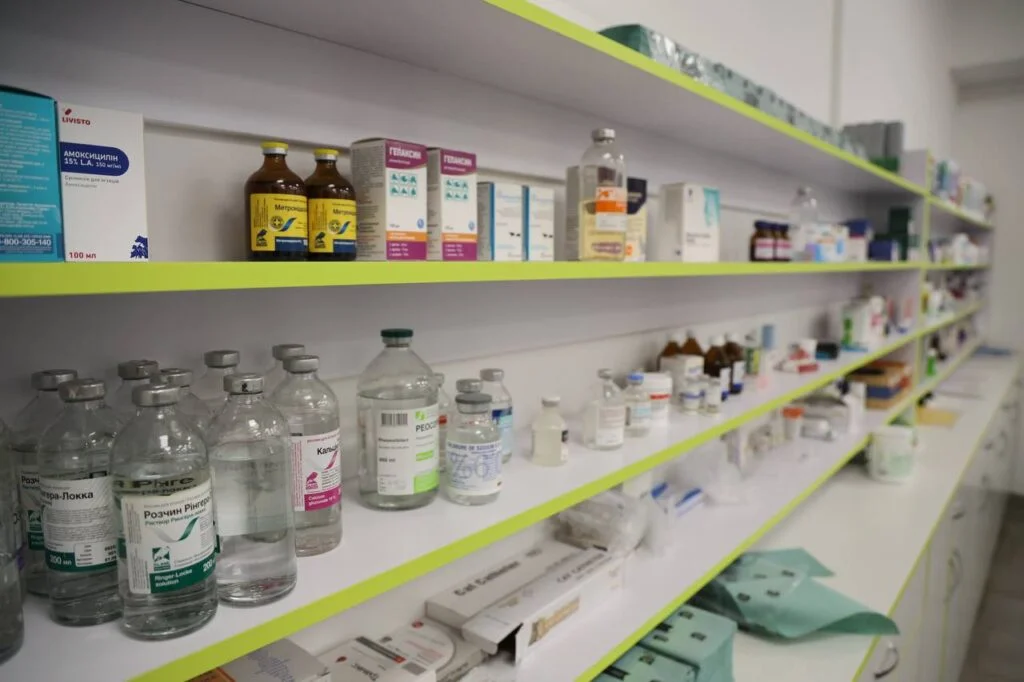
Logistics in a frontline city is a separate story. Previously suppliers brought the medicines themselves. Now only via Nova Poshta, and this is an additional expense for the clinic. Electricity has become more expensive, especially in winter. Heaters run — the meter spins.
“Literally recently a drone crashed over a car. It shook hard. And we are not insured. In such conditions it’s frightening,” — confesses Serhiy.
Financial risks against the backdrop of war for the clinic are considerable. The ultrasound machine, without which the clinic could not operate fully, cost 600 thousand hryvnias. By the way, they are still paying it off.
“It’s not like you can buy something for a couple of thousand in one or two payments. Medical equipment is very costly,” — says the owner.
And one more problem — a shortage of staff. Finding qualified specialists willing to work in a frontline city is almost impossible. But Serhiy sincerely believes in a better future.
“For me personally — this is my dream, it has come true. And it is needed by the city of Kherson. We try to treat, not to impose anything else,” — says the chief veterinarian of “Fauna” with hope.
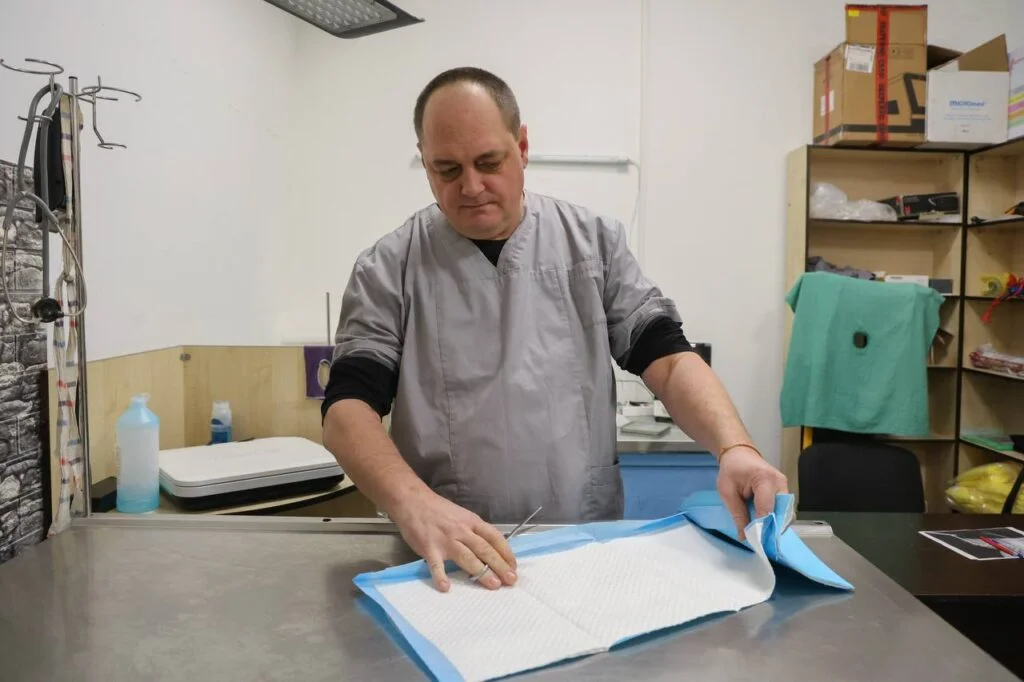
His plans are simple: to grow so the clinic expands, more patients come, and new employees appear. For all this one condition is needed — that peace comes sooner. Then, he admits, it would be much easier to develop.
If you read and worried about Zeus — finally there is good news. His story moved the MOST editorial team so much that we could not remain on the sidelines and helped with the operation. A small Christmas miracle that reminds of a simple truth: as long as we do not turn away from another’s pain — Kherson lives. And we live.