

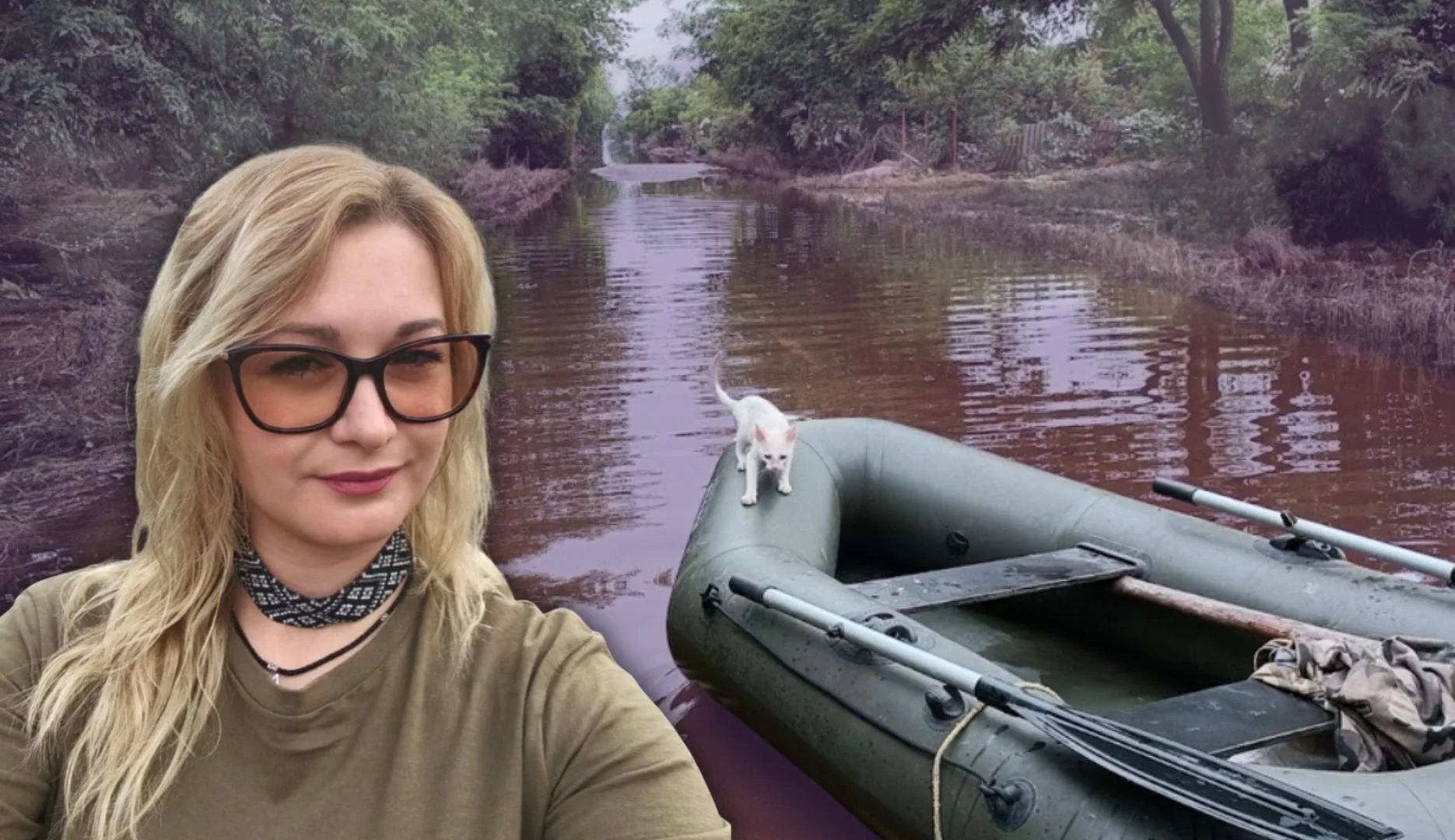
Ksenia, who now has the call sign “Harpy”, left occupied Nova Kakhovka only in December 2024. In doing so, the woman managed to take with her 8 cats and a German shepherd. Before that, for almost 3 years in the city occupied by the Russians she was engaged in volunteering and helped evacuate civilians. And immediately after leaving she obtained a qualification as a combat medic and is now preparing to defend her native Kherson region as part of the 34th separate brigade.
MOST spoke with “Harpy” about the time in the occupation, the persecutions, the difficult departure, and future service in the army.
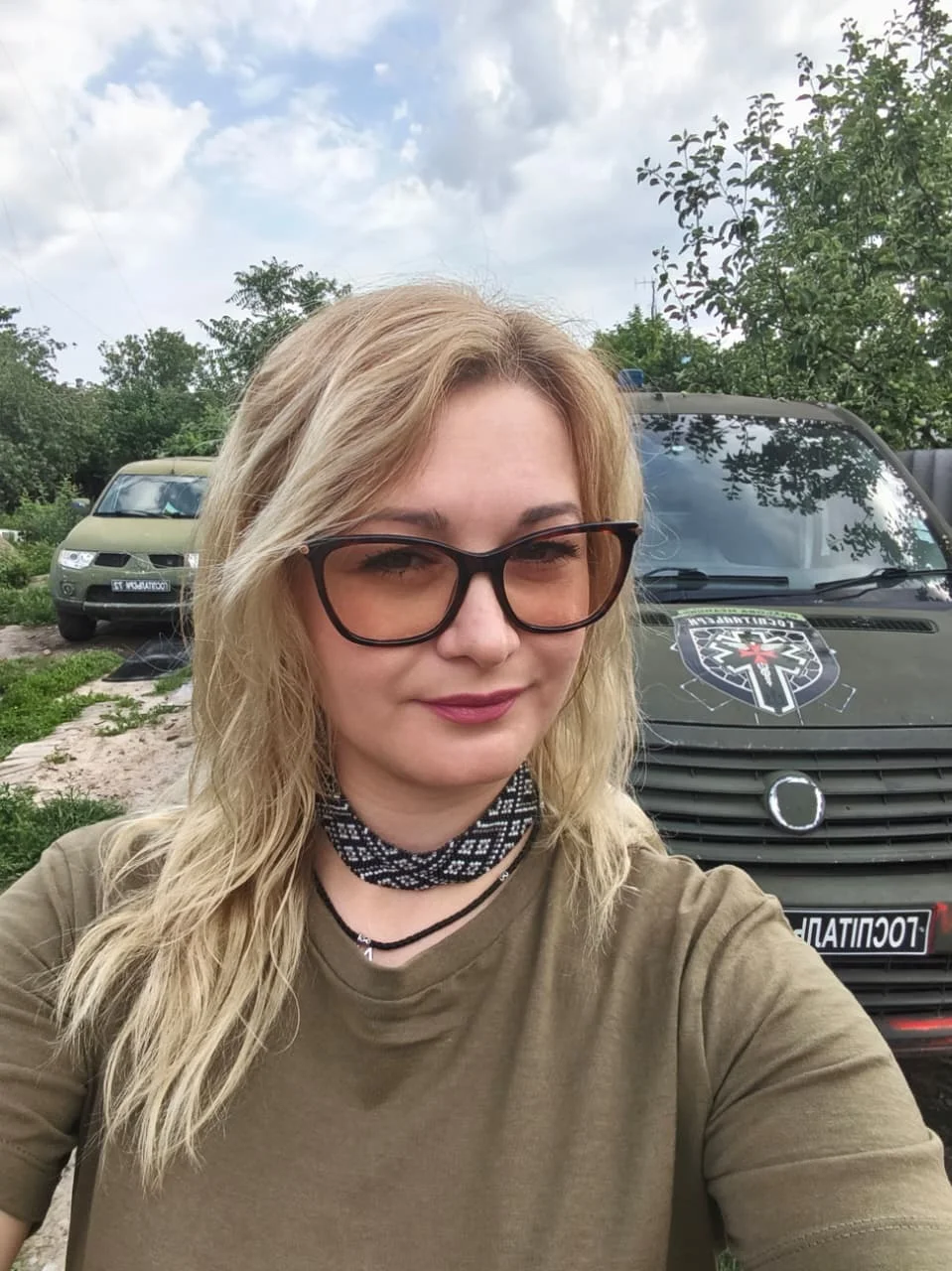
Before the full-scale invasion, Ksenia worked as a head chef at a restaurant in Nova Kakhovka. She says that on February 23, 2022 her shift ended very late, so the woman returned home after midnight. In the morning she heard explosions and immediately realized — the war had begun.
“At first it was very scary. We waited for someone to tell us what to do, so we watched the news nonstop. Then we went into town for groceries and medicine. We saw huge queues. At ATB there was only barley, some olives, canned goods on the shelves. That wouldn’t last long, but we took what there was. I stood in line at the pharmacy for several hours. By midday Russian planes were circling over the city, the occupiers captured the hydroelectric power plant. The most difficult week of our lives began,” recalls Ksenia.
About a week later she realized something had to be done and joined a team of volunteers who were delivering food for abandoned animals. A little later volunteers learned that there were villages to which no food was being delivered, so they began taking bread there.
Doing volunteer work in a city already controlled by the Russians was difficult — cars were constantly stopped, phones checked, and instructions on how to behave with the military kept changing.
“At first we were told to pull over and stop when a column of Russian equipment was passing. Once the driver and I were returning from Preobrazhenka and noticed a fighter jet flying very low. We decided to stop. At that moment it began to descend and fly right toward us. I even started to say goodbye to life, but it just circled above us, and at the nearest checkpoint the Russians explained to us that you can’t stop because supposedly we could shoot down the plane,” says Ksenia.
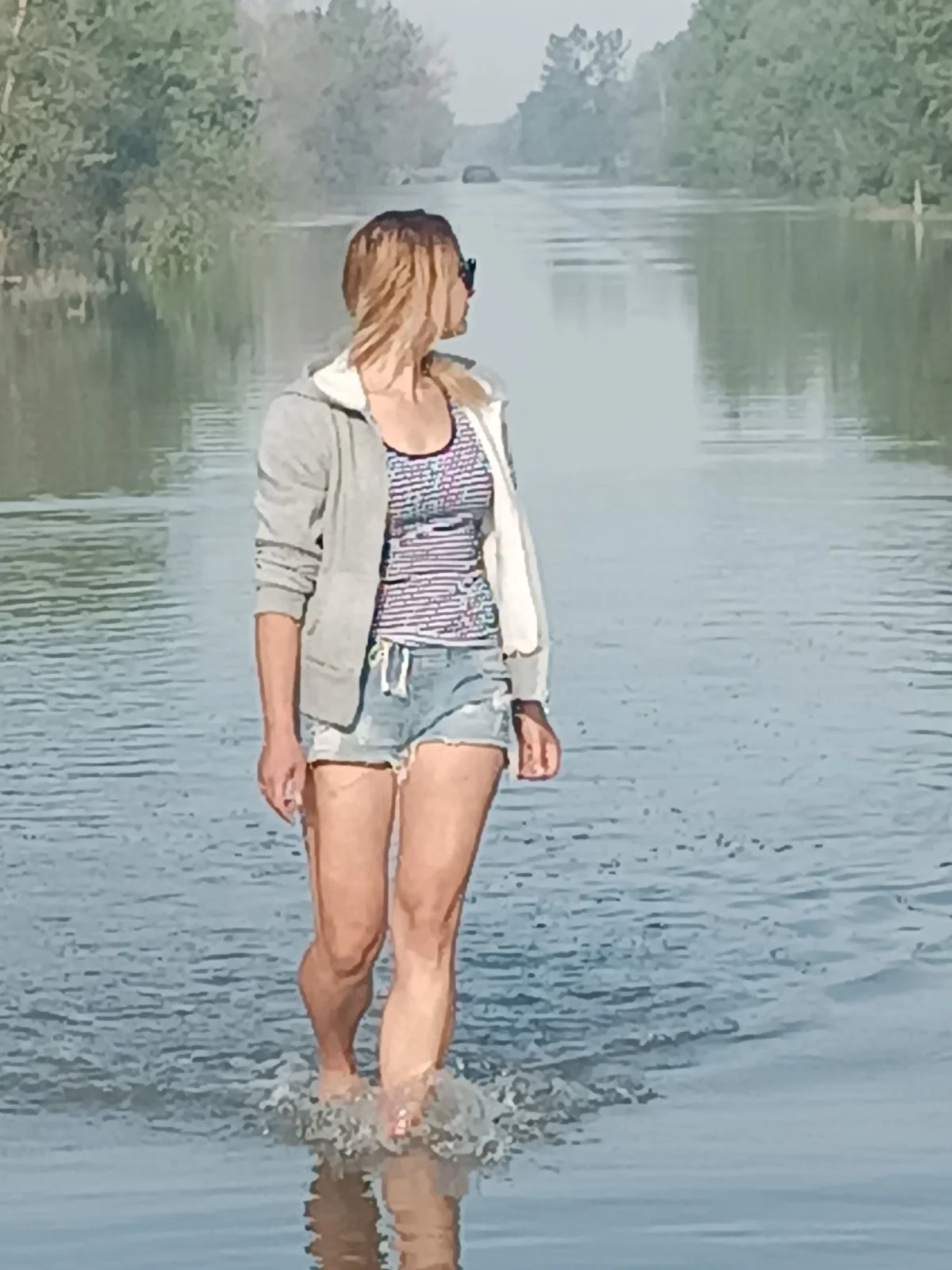
She and like-minded people were most active after the Russians blew up the Kakhovka HPP — they delivered water, food, and essential items to people who did not want to leave their homes and were waiting for the water to recede; they fed animals that were trapped on roofs after the flood, and helped with evacuations.
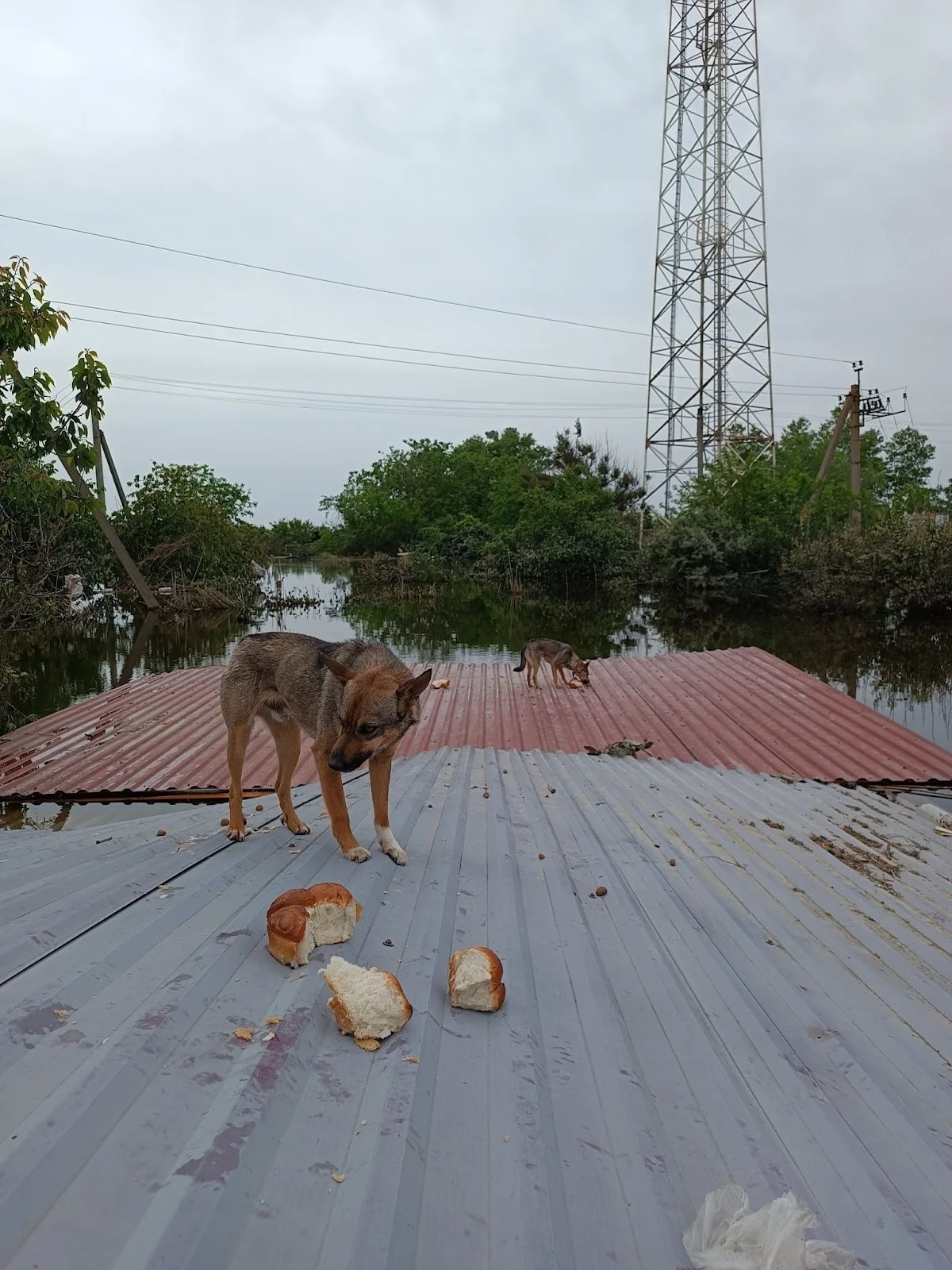
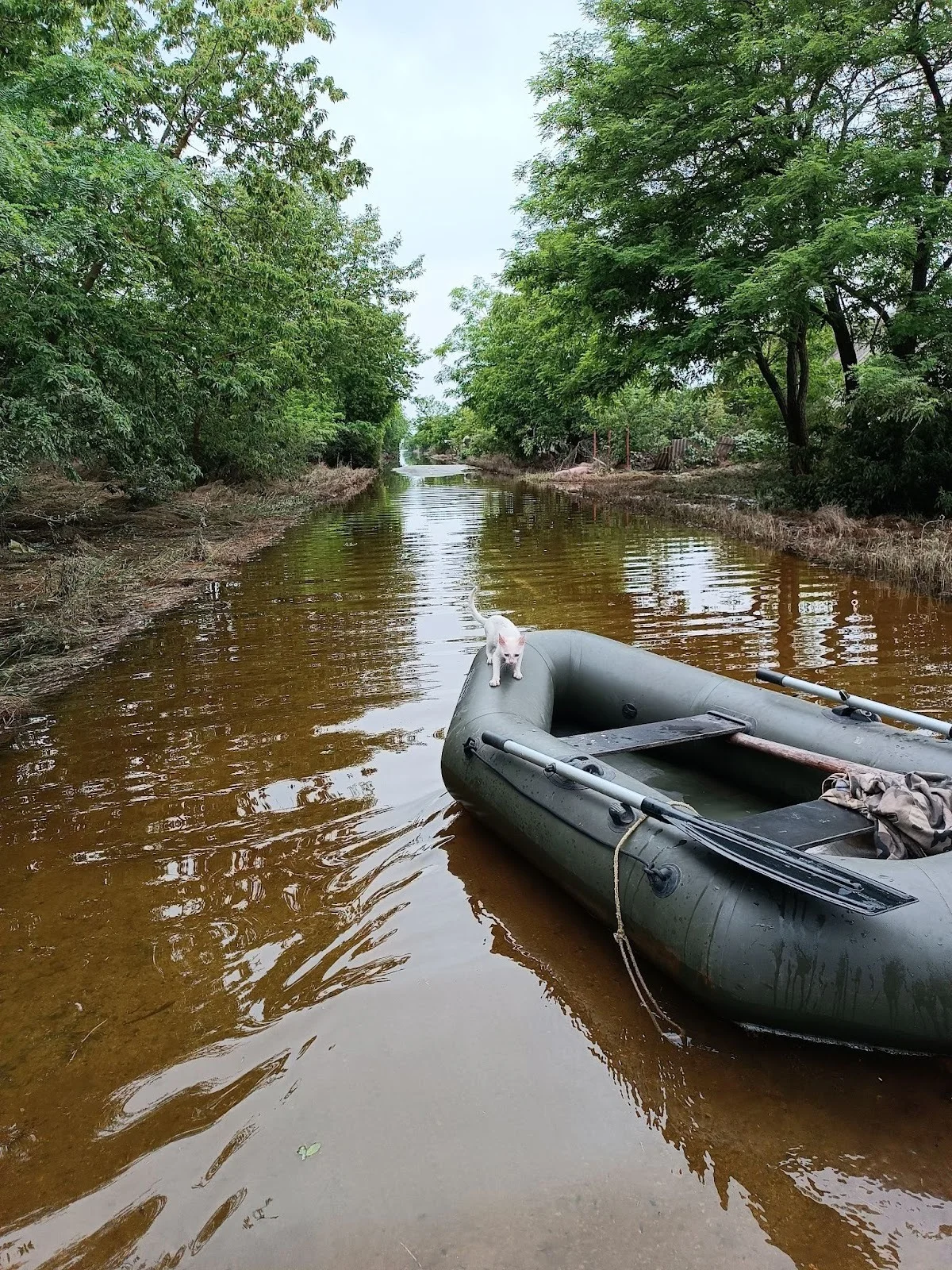
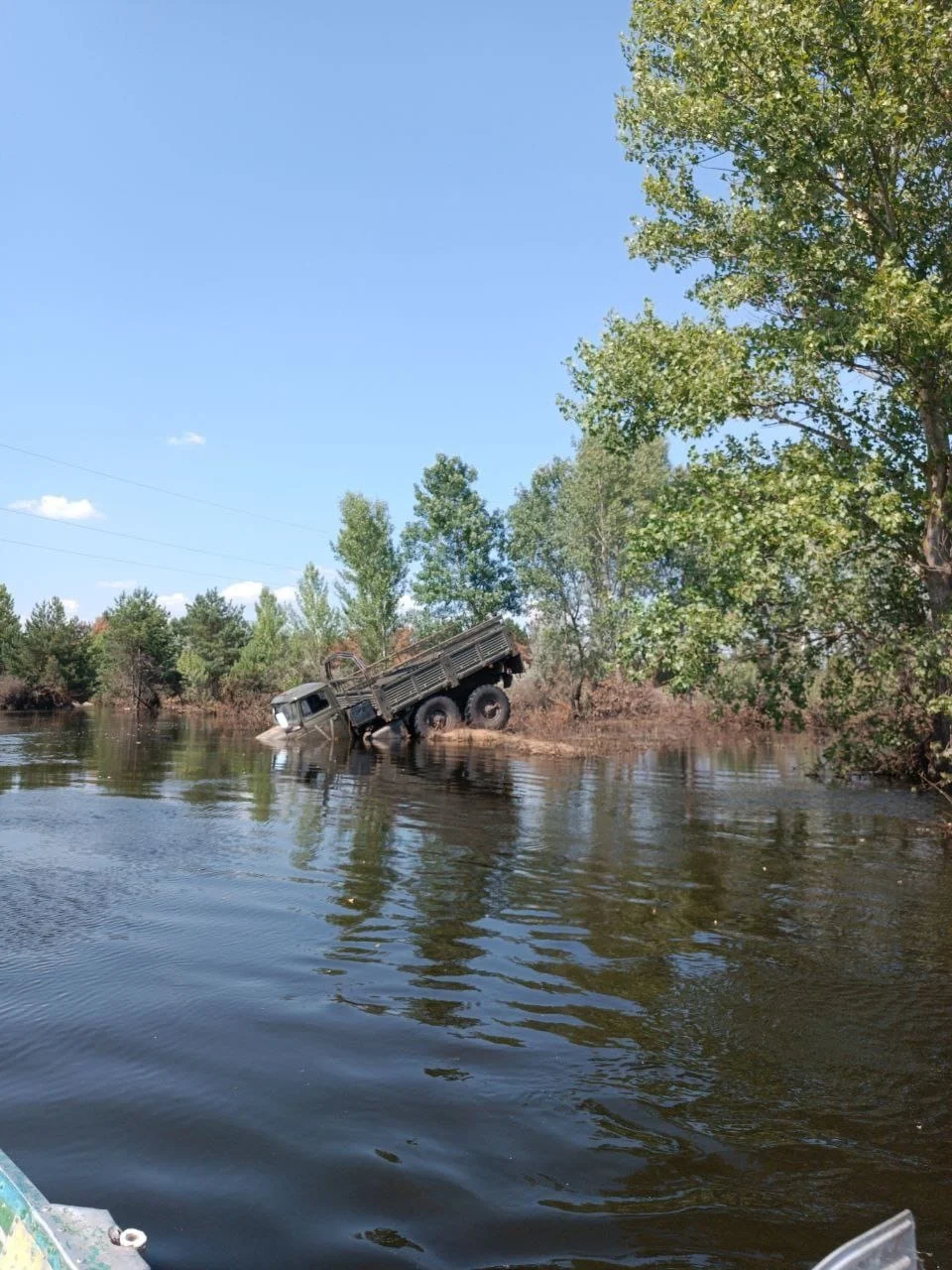
Almost every such trip for Ksenia was accompanied by “warnings” from collaborators — they claimed to know about her activities and allegedly her cooperation with the non-occupied part of Ukraine.
“The first such ‘warning’ came exactly on the second day after the HPP was blown up. We went to Korsunka; we had to bypass via the Melitopol highway. Up to a certain point we drove by car, and then switched to boats to reach the people. Upon arriving, we saw the local collaborator Karyi (Maksym Karyi, has a verdict in absentia for collaborating with the occupation authorities, — MOST). He was waiting for Russian journalists, as they were to film the flood. We knew him personally. He grabbed my hand, pulled me away from everyone, started asking what I was doing there and why I hadn’t left yet. He began to look for something on my phone, saying that he would show me everything now and I would go to the basement. Propagandists who approached and distracted him saved me. About a week later we met again in Korsunka, and this time he was with soldiers — about ten people, in uniform, armed. And I had with me a notebook with addresses of people who wanted to leave, and in my phone communications with volunteers from the non-occupied part of Ukraine. I was very scared, but this time I was saved by chance, namely — a Ukrainian drone that began circling above the Russians. The driver and I used the moment and fled, and the drone made a drop,” the woman recounts.
After that it became increasingly dangerous to stay in the city — Karyi and Agayev (deputy head of the occupation administration of Nova Kakhovka, — MOST) were looking for Ksenia’s place of residence and contacts. The woman took the child to relatives, and she herself with a group of volunteers decided to move to Oleshky. She recalls that the situation there after the HPP explosion was many times more difficult than in Nova Kakhovka. Volunteers helped people from Oleshky, Kardashinka, Kokhany. They delivered humanitarian aid, helped people get out of flooded houses, compiled evacuation lists, cooperating with the organization “Humanity”. During a trip to Kokhany Ksenia and two other volunteers were detained by the FSB.
“They took us to Zaliznyi Port, to some boarding house. We were traveling with a large amount of humanitarian aid; one of the churches even donated a generator for the people. They took all that from us and began to interrogate us. They made a mistake by leaving the three of us together at first. We had time to agree on what to say. But later they separated us. The interrogation was very long. They did not beat me. The guys who were with me did not confess, but I did not see any visible marks. They said they knew that we were collaborating with Ukrainians, they pressured me with the child, threatened that they would rape me, throw me into a trench and no one would find me. They showed terrifying footage on a phone of what they could do to me, they mentioned some old woman — what they did to her when they found out she had informed on the occupiers,” Ksenia recalls.
The Russians forced the woman to record a video confirmation that she was a volunteer cooperating with the Russian Federation, and released her. “Harpy” began preparing to leave the occupation.
After the interrogation Ksenia returned to Nova Kakhovka, dyed her hair and constantly changed her place of residence in preparation for leaving. At first, together with “Humanity” the woman managed to take a child out of the occupied city. Then she began to gather her own documents — without a Russian passport departure was almost impossible, and she had to obtain it in Novotroitske to avoid being caught by collaborators in Nova Kakhovka.
Inscription on the shore of the Sea of Azov that Ksenia arranged in 2023
On December 7, 2024 “Harpy” left her native city, taking with her a bag of things, 8 cats and a shepherd dog that volunteers asked her to take out, and also — a Ukrainian flag sewn into a scarf.
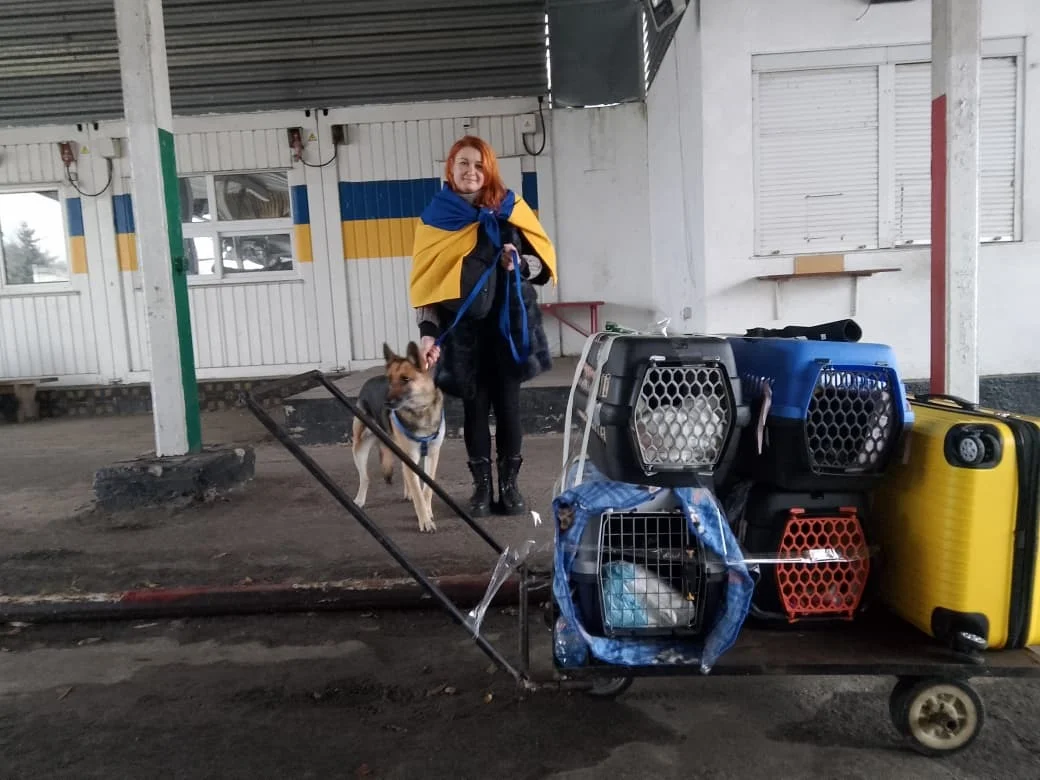
“The journey lasted about 4 days. I had two carriers, with four cats in each. And the shepherd on a leash. I also managed to take out several patches with the Ukrainian flag, I hid them in my socks, and a tiny vyshyvanka. I didn’t feel particular difficulties. Only when I crossed the Belarus-Ukraine border did I feel a pang of sadness that I had left home, that I would no longer be able to help there, that I would not see my loved ones for a long time. But our soldiers put the flag I had taken with me on me and then I felt that I was indeed home,” the woman says.
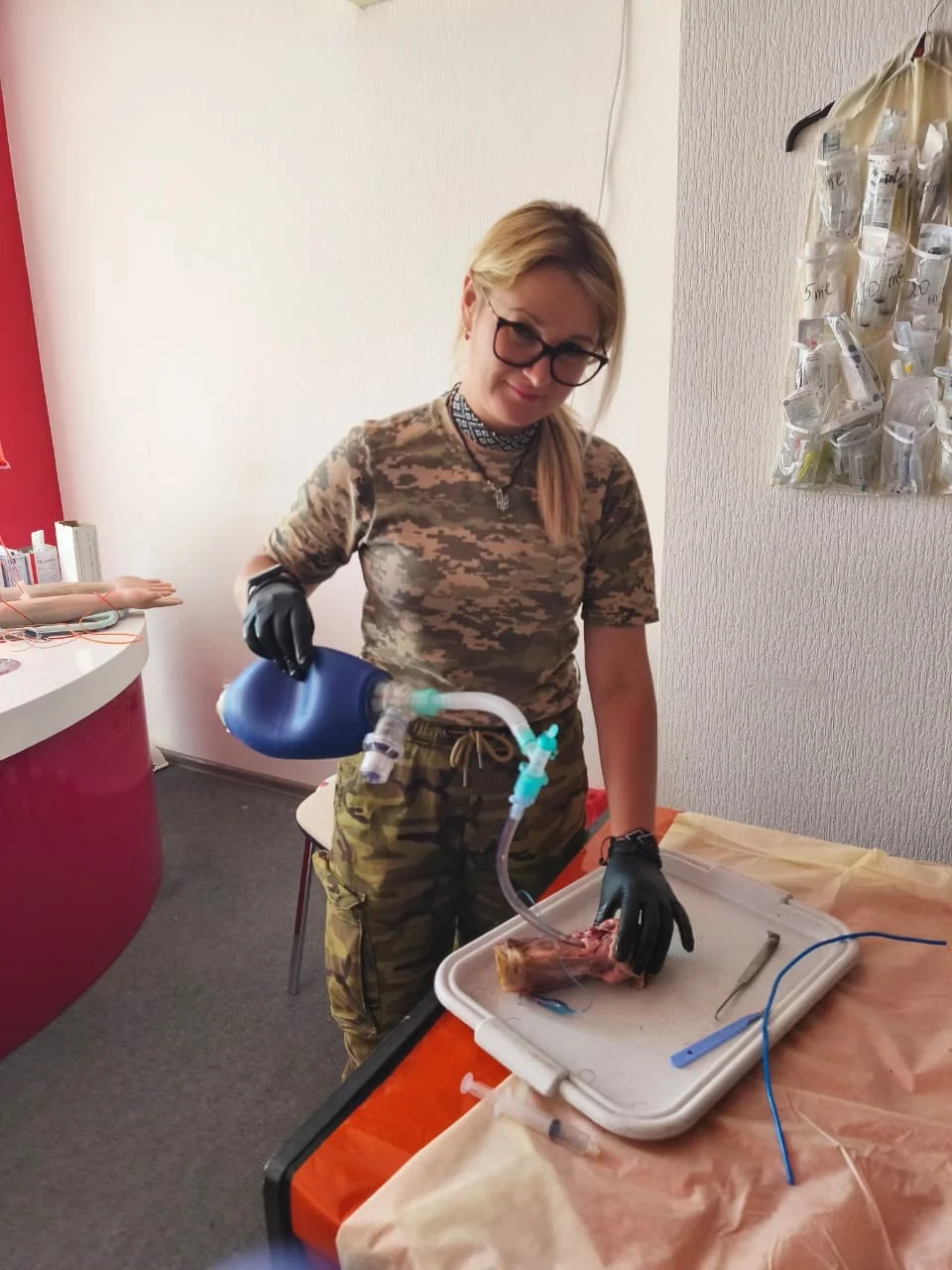
Immediately after leaving, Ksenia began making plans for future service. At first she wanted to gain skills in tactical medicine — she thought about this while still in the occupation and evacuating injured people. On the advice of an acquaintance she went to the “Hospitallers” and signed up for the first courses. Then there was much more training until Ksenia obtained the qualification of a combat medic.
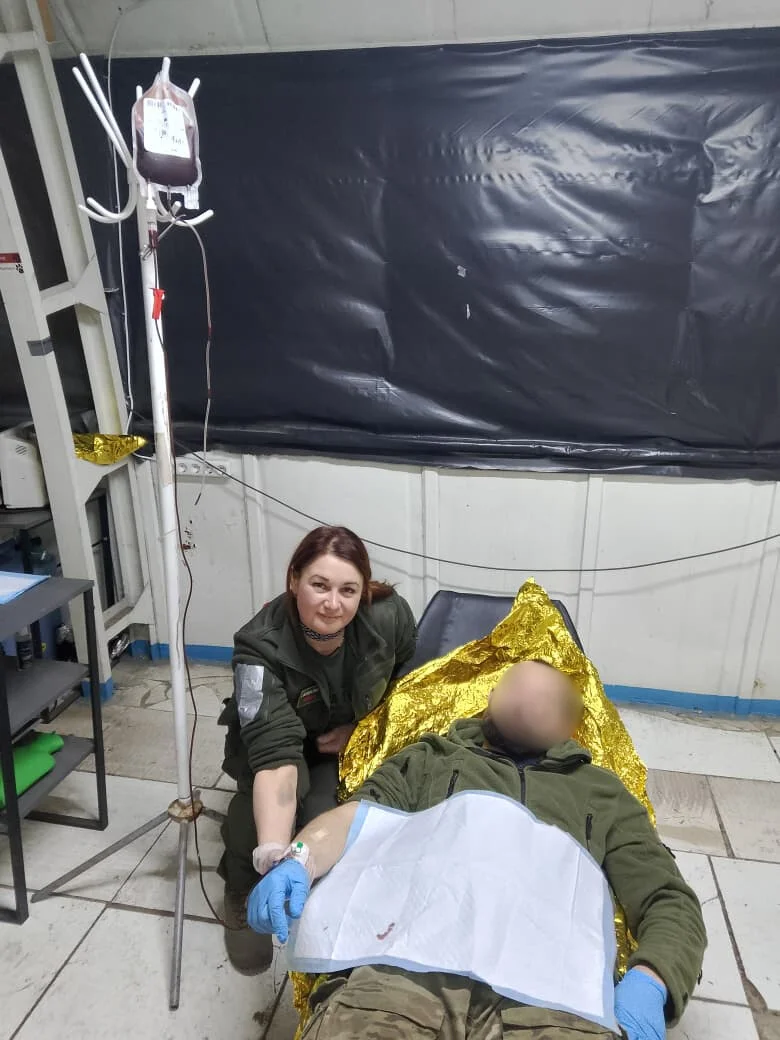

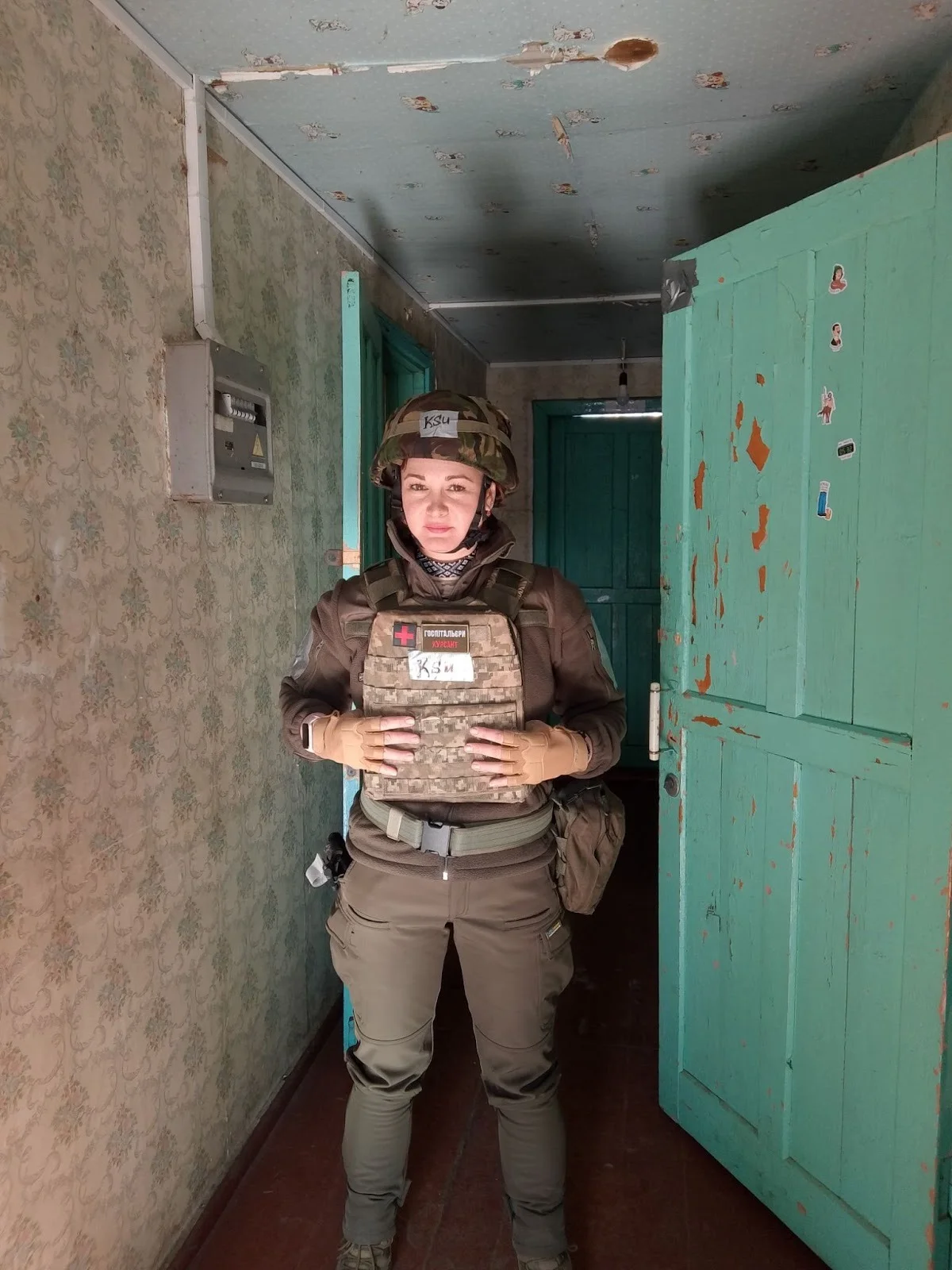
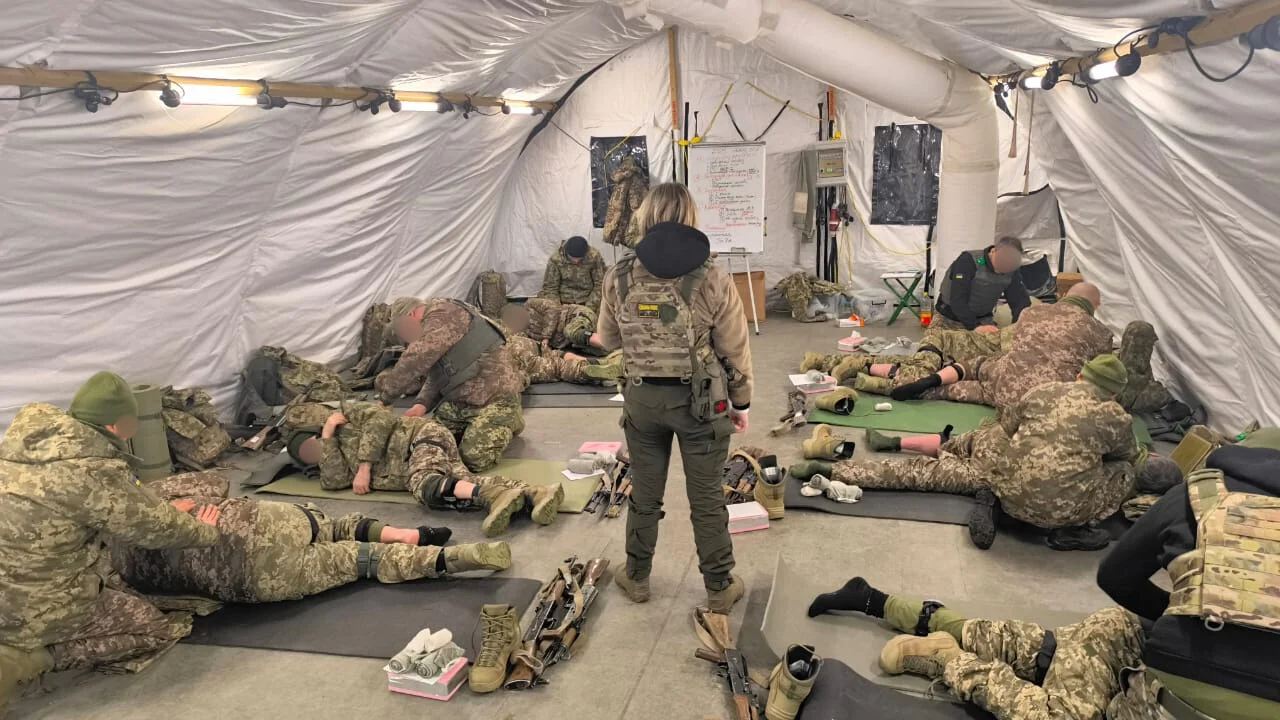
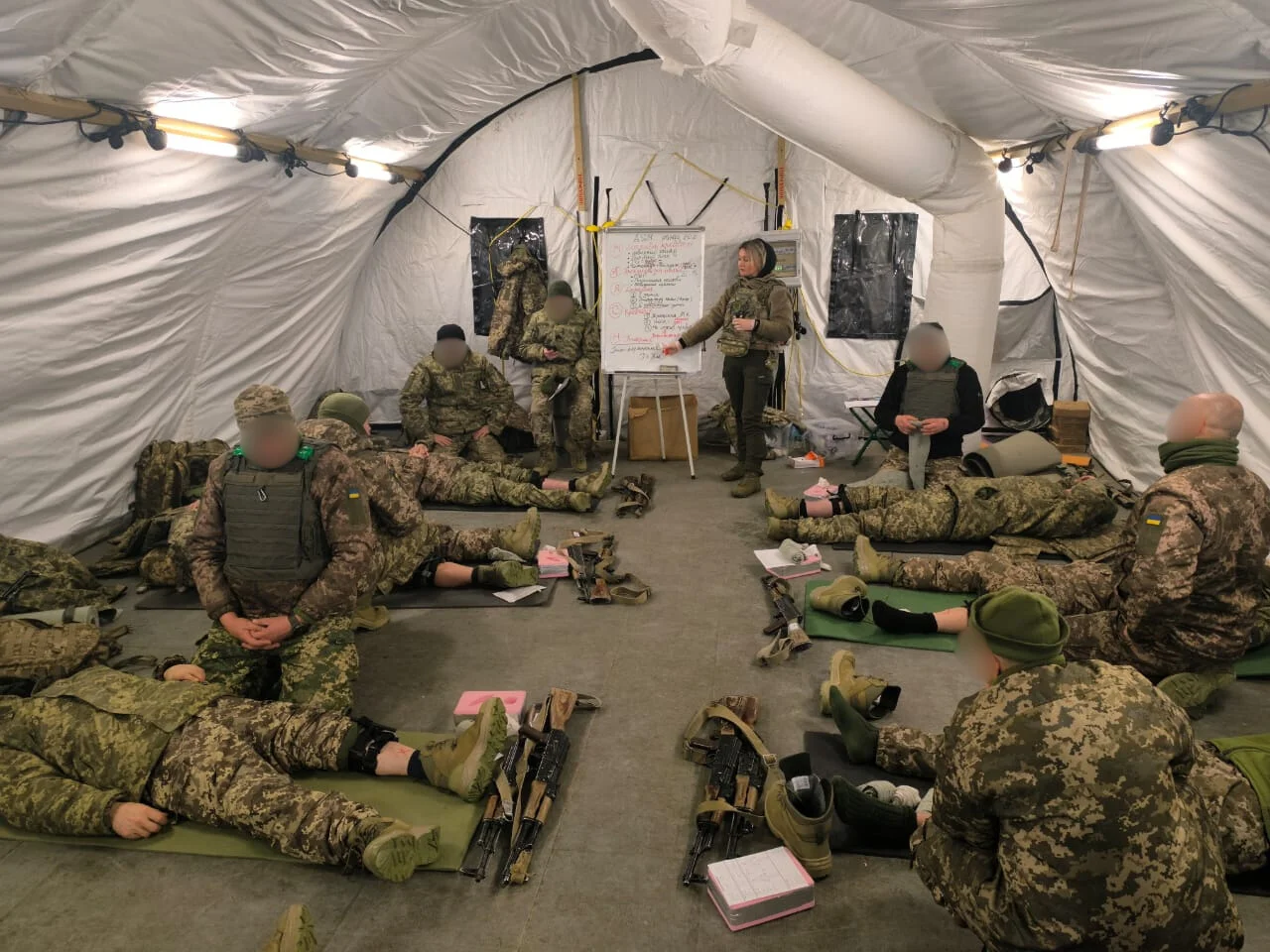
After several trips with the “Hospitallers”, including to Pavlohrad, she was invited to join as an instructor to the All-Ukrainian Resuscitation Council. Now “Harpy” teaches tactical medicine at BZVP and courses for servicemembers.

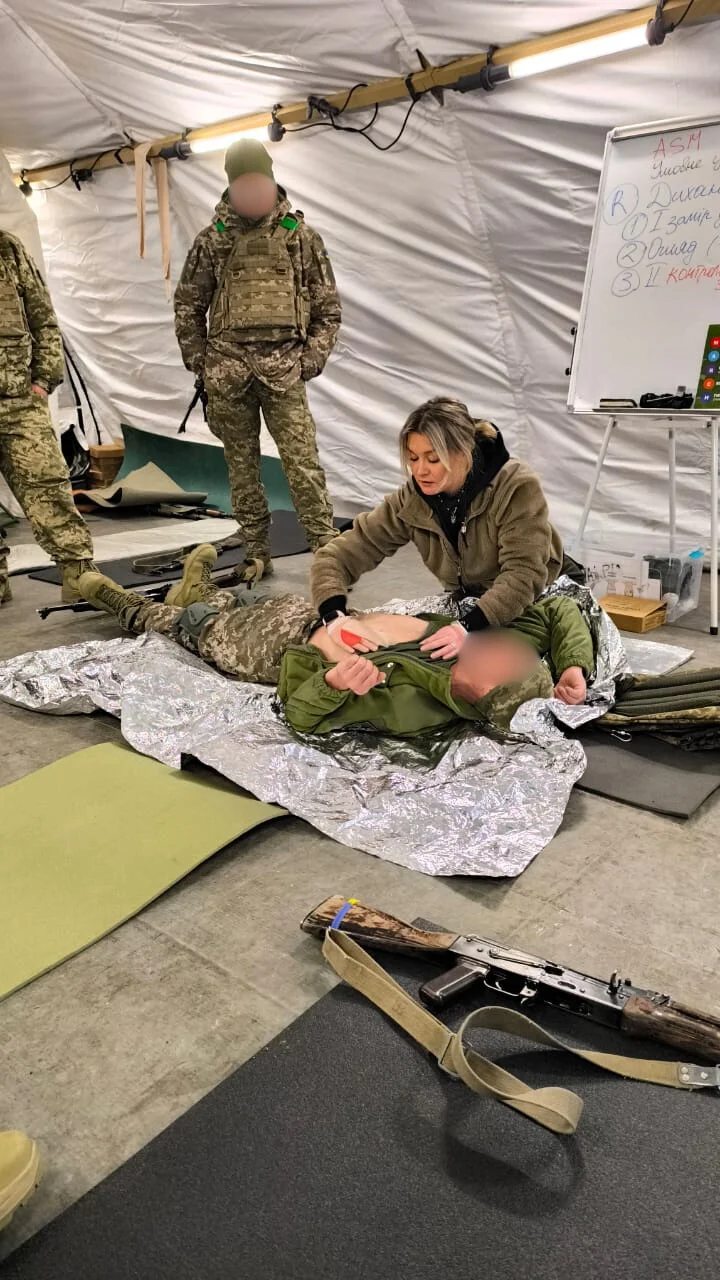
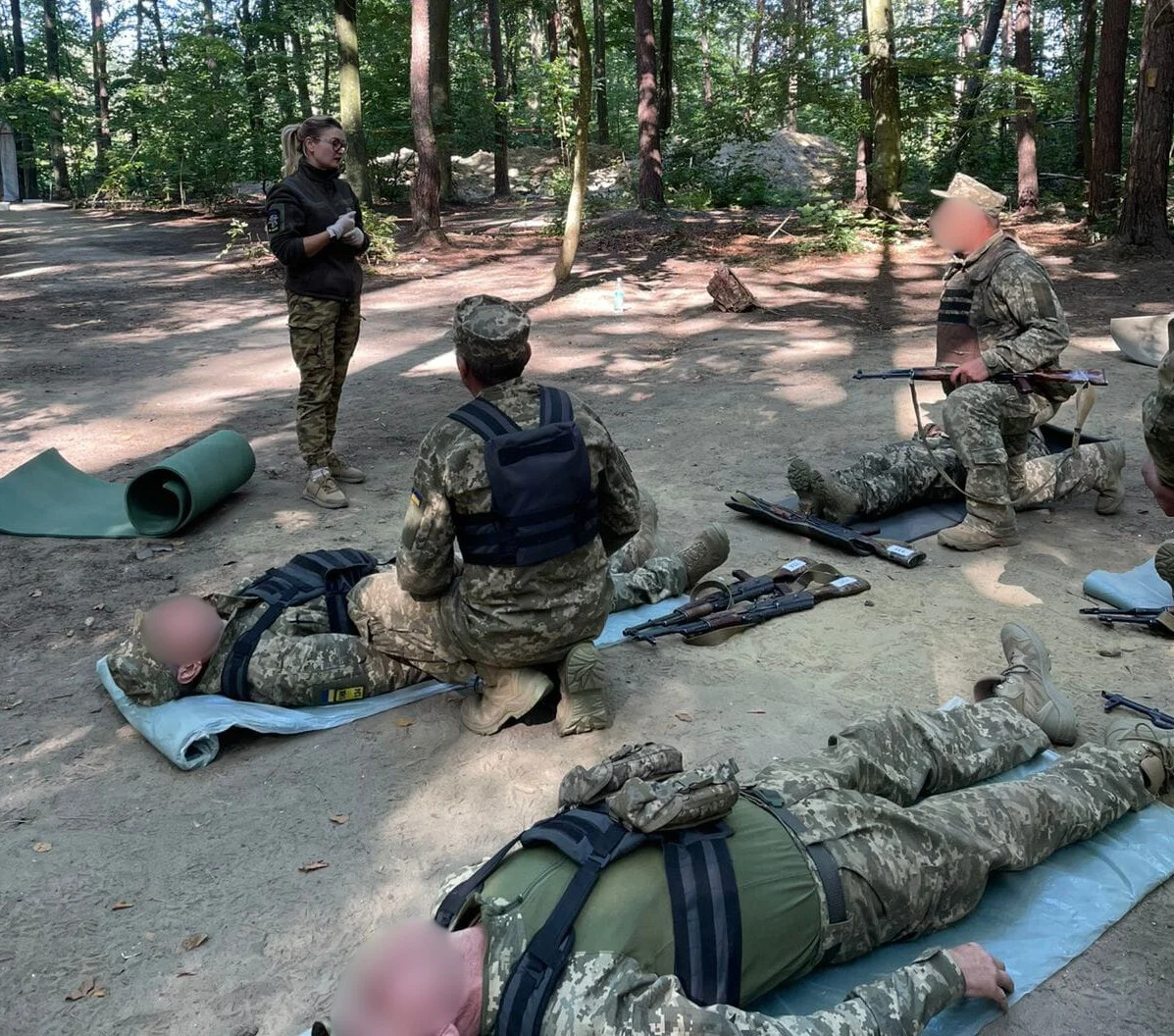
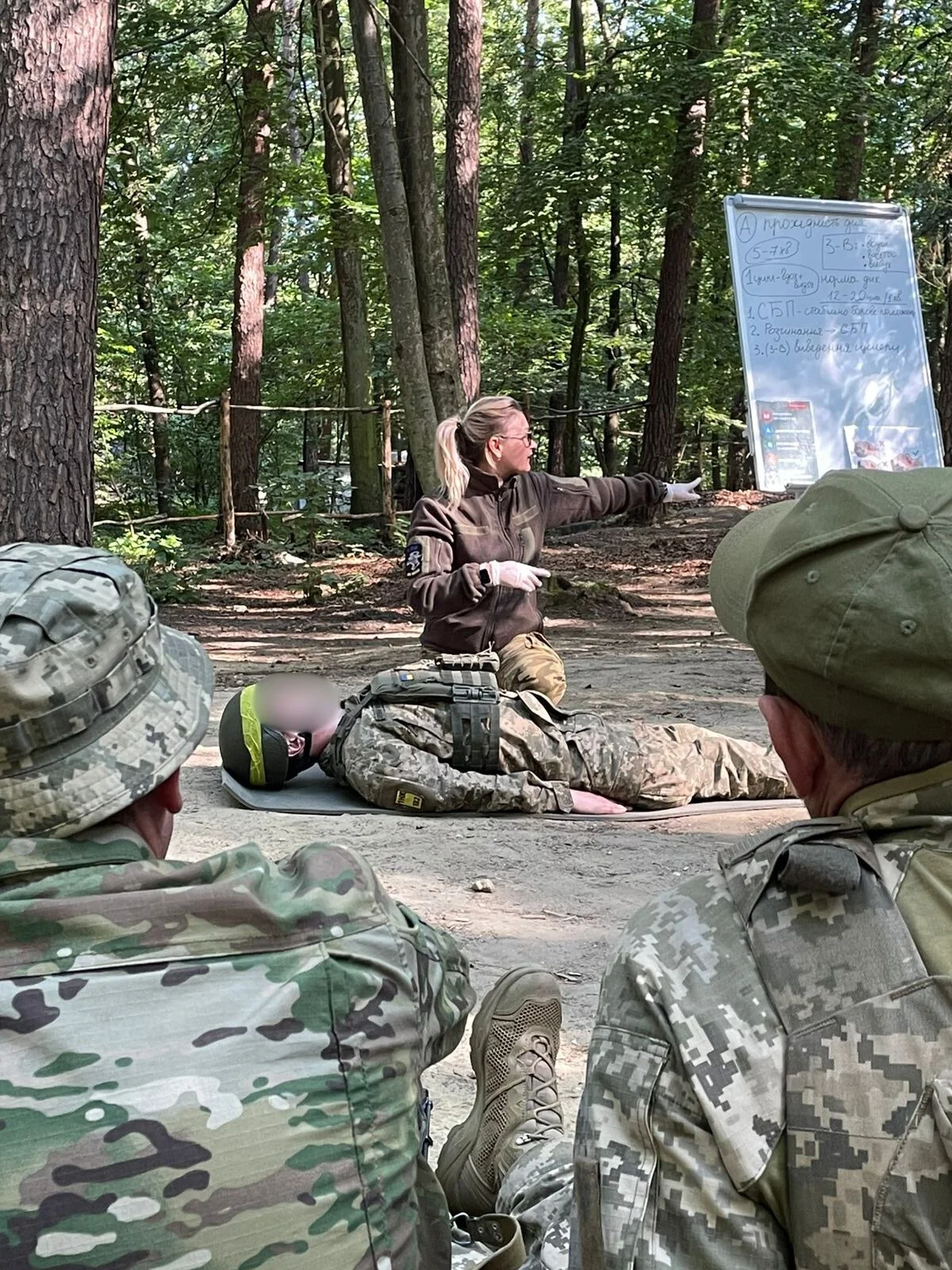
Last year, on the anniversary of the liberation of Kherson, Ksenia visited the city.
She says — she met her fellow townspeople from Nova Kakhovka in Kherson, got acquainted with soldiers from the 34th brigade, and learned that they needed a combat medic. After that she no longer hesitated, and almost immediately submitted the necessary documents and is waiting for approval from the command.
“I always loved Ukraine, but I was never really a patriot. Like others, I had my calm, good life — a home, a job, family, friends. Yes, I worried about the war that has been going on since ’14, but it was far from us then. Only with the arrival of the Russians, with the occupation, did I realize how much I truly value my home, my city, my country. I want to be the first to drive into Nova Kakhovka when we retake it,” says Ksenia.