


The occupiers reported a critical increase in the salinity of the Sea of Azov, which due to climate change and the actions of the Russians has brought it close to the Black Sea by this measure.
This was reported by pro-Russian media, citing the Southern Scientific Center of the Russian Academy of Sciences.
According to them, from 2007 to 2026 the average salinity of the water body increased from 10–11 to 16 parts per thousand, whereas the Black Sea has an indicator of 18–19 parts per thousand.
Due to this salinization process, the biota in the Sea of Azov has changed significantly: instead of the traditional valuable fish species — sturgeons, bream and common carp — the basis of the catch is now mainly anchovy, gobies and pilengas.
Recall that in January this year in the Russian Federation they claimed that stocks of migratory and semi-migratory fish in the Sea of Azov fell to a historic low. Species such as zander, bream and chekhonya have been pushed to the brink of disappearance.
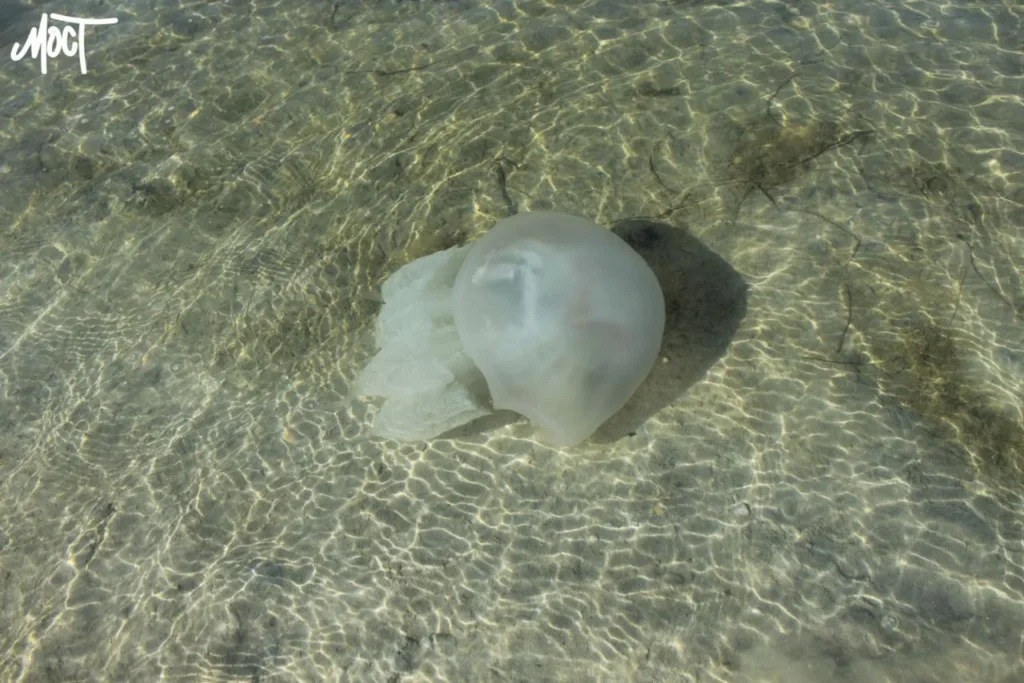
At the same time, in May 2024 the occupation authorities acknowledged that the Sea of Azov is unsuitable for swimming due to an increase in plankton and jellyfish.
The Ukrainian authorities reported about the threat of extinction of the Sea of Azov as early as May 2022. One of the reasons for this – the bombardment of “Azovstal” by the Russians.