

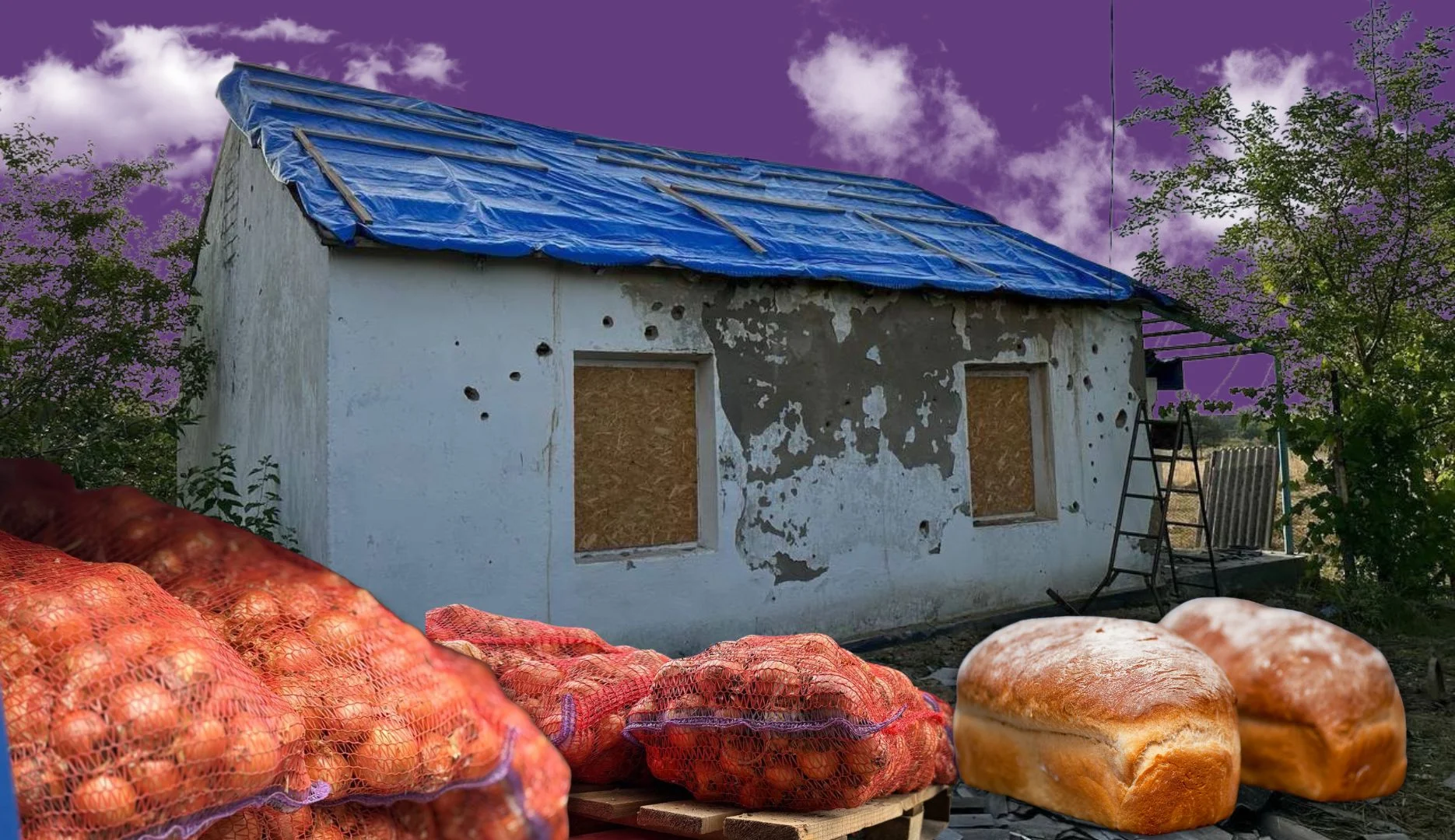
In the frontline communities of Kherson and Donetsk regions, churches have become not only places of prayer but also support hubs for people. They were among the first to begin distributing humanitarian aid, sheltering people in basements and residential premises, offering refuge, cooking hot meals, baking bread, helping with evacuation, rehabilitation and even rebuilding destroyed housing.
“MOST,” together with the Donetsk regional media “Skhidnyi Variant,” reports on such solutions for their communities.
What’s the problem?
The need is not only for prayer, but also for help
Before the full-scale invasion, many churches, temples and cathedrals operated in Donetsk and Kherson regions. Each person found their own meanings there: some attended every Sunday, some went daily and prayed for the health of their relatives, some remembered the fallen. For Ukrainian citizens, churches are places of calm and acceptance, where you are welcomed and understood.
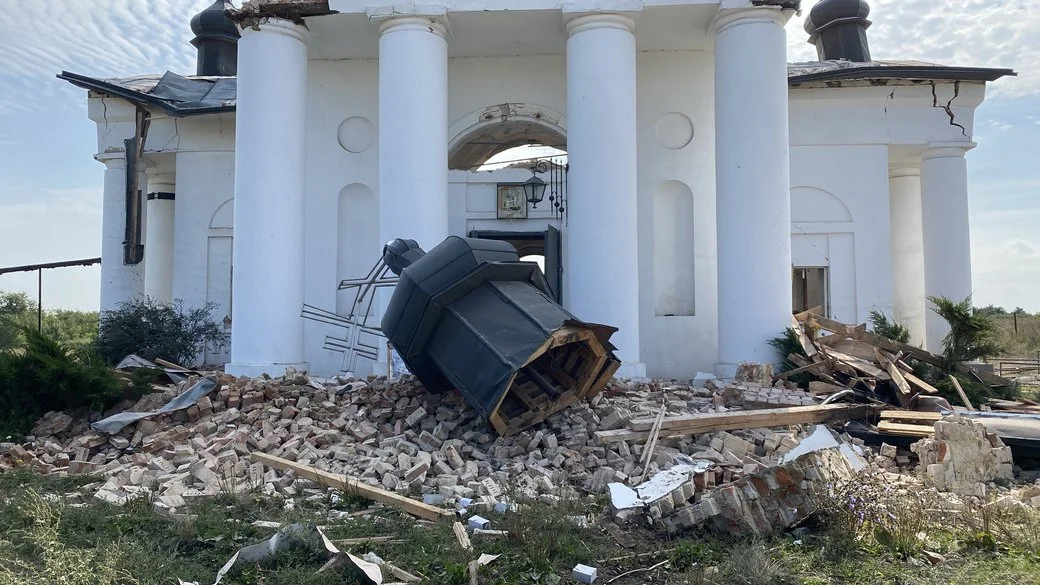
Before the large-scale war, Donetsk region hosted 13 monasteries, 1 lavra, 26 missions, 1 brotherhood and 11 theological schools. Destruction is now known. Due to hostilities, 132 religious buildings were damaged or destroyed. That counts only those known. The real number may be higher. This was told to Skhidnyi Variant by Victoria Tochena, head of the Department of Culture and Tourism of the Donetsk Regional Military Administration.
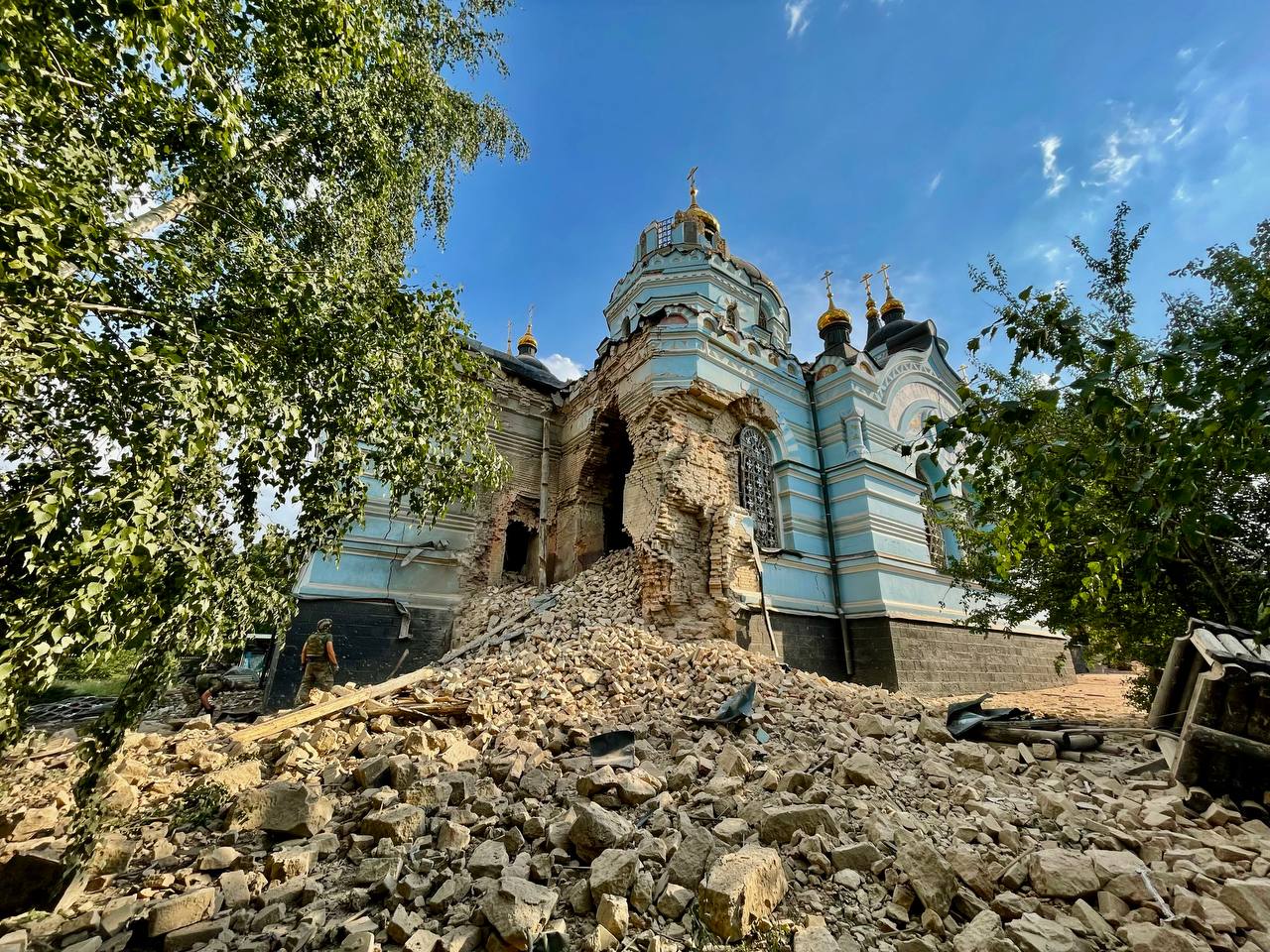
Today the churches of Donetsk region cannot hold full-scale services, cultural or pilgrimage events. Therefore, volunteering and charity have become a priority direction. Religious organizations support medical facilities, assist Ukrainian defenders in combat zones, the wounded, internally displaced persons and families of the deceased. An important contribution comes from military chaplains, who provide spiritual support to the Armed Forces, and moral-psychological support to soldiers, the wounded and their families.
“The full-scale Russian military invasion changed trends within the confessional environment of communities and Ukraine as a whole. Religious organizations became active participants on the humanitarian front. Together with authorities, international charitable associations and volunteer movements, churches joined in solving urgent problems related to restoring society’s functioning. Each religious organization has its own social focus. They support vulnerable segments of the population, provide targeted assistance to low-income citizens and institutions,” says Victoria Tochena.
The full-scale invasion by Russia turned life in the frontline communities of Kherson region into a struggle for survival. From the first days of the invasion, almost the entire region fell under occupation. Today a third of the territories have been deoccupied. However, constant shelling and the proximity of many communities to the front line destroyed infrastructure; in many villages there is no stable electricity or water supply, transport links or medical services. People were left without work, often without housing and without the ability to leave. State services operate intermittently or have no full access to some territories at all.
Under such conditions, churches became points of support for local residents. Their buildings were transformed into shelters, warming centers, distribution points for humanitarian aid, or temporary housing. However, this support did not arise from surplus resources but from urgent need: priests, pastors and volunteers themselves endured occupation and now live under shelling, risking their safety to reach people with help.
At the same time, because of the war many churches in Kherson region were left without spiritual leaders who had to evacuate, or without buildings destroyed by explosions. Therefore, the key problem became not only physical survival, but also finding ways to preserve communities and support the belief that life on the front line is still possible.
What is the solution?
Social ministry of Donetsk religious communities
Religious denominations in Donetsk region have worked in various directions over the last three years. They provide people affected by the war with essentials (food, clothing, hygiene products), help find housing, support servicemen, evacuate the wounded, people with limited mobility and the elderly.
“Religious communities implement their social projects with the help of voluntary donations and sponsorships received from charitable organizations and private individuals, co-religionists both in Ukraine and abroad. The most active in this area are the religious communities of the Ukrainian Orthodox Church, the Orthodox Church of Ukraine, the Ukrainian Greek Catholic Church and Protestant communities. For security reasons, information about the locations of volunteer hubs and distribution points for humanitarian aid at religious organizations in Donetsk region is not publicized; people know where they are and how they work,” says Victoria Tochena.
Archpriest Kostiantyn Kuznetsov lived with his family in Kostiantynivka, Donetsk region, and served at the Svyato-Stritensky Church of the Orthodox Church of Ukraine (OCU) before the full-scale invasion. He is originally from Pokrovsk. After graduating from the theological seminary, he has been a priest for 28 years, 10 of which were in the Moscow Patriarchate. In 2009 Kostiantyn moved to the Ukrainian Orthodox Church of the Kyiv Patriarchate (UOC-KP), and after the granting of the tomos — to the Orthodox Church of Ukraine (OCU).
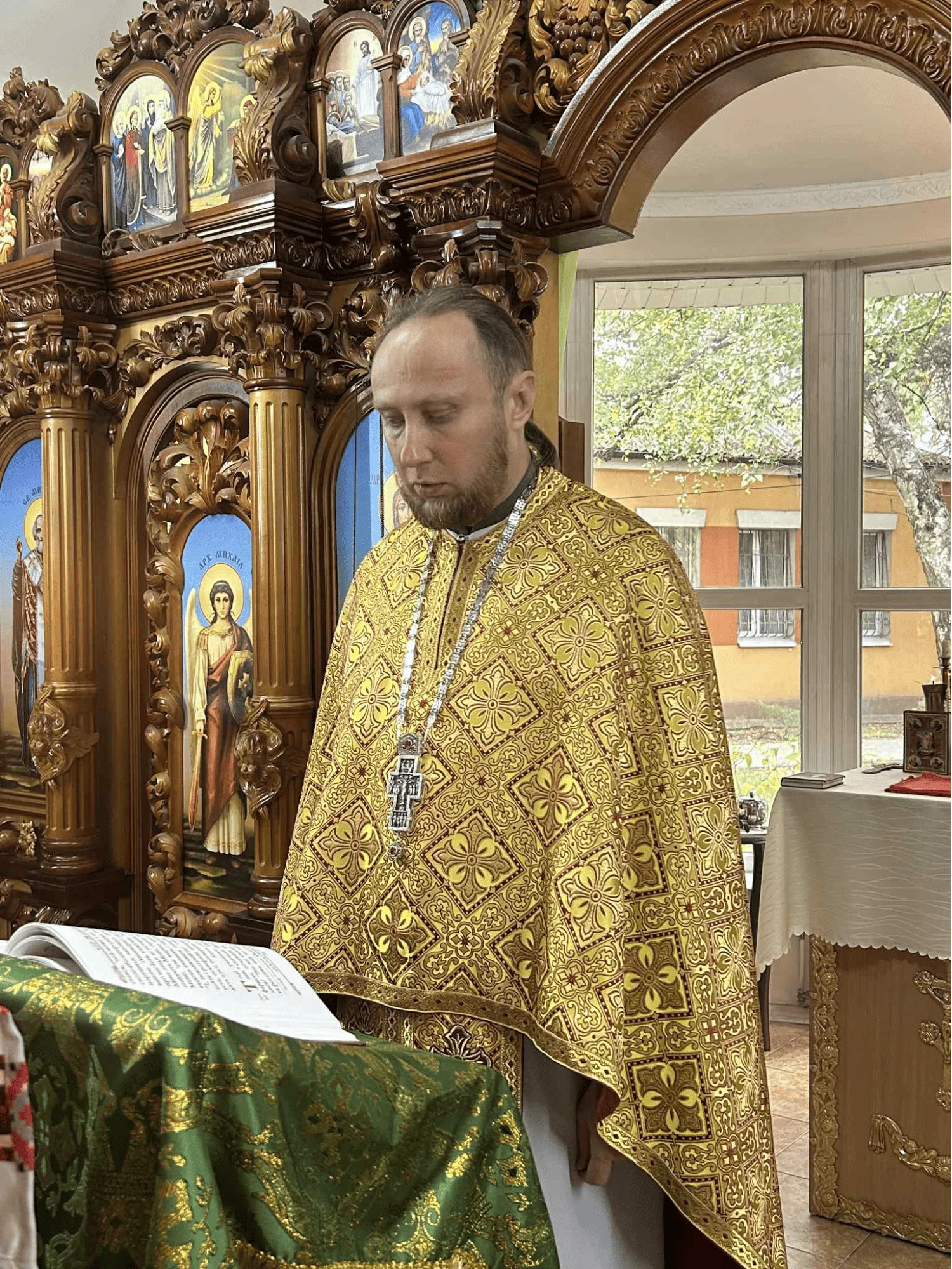
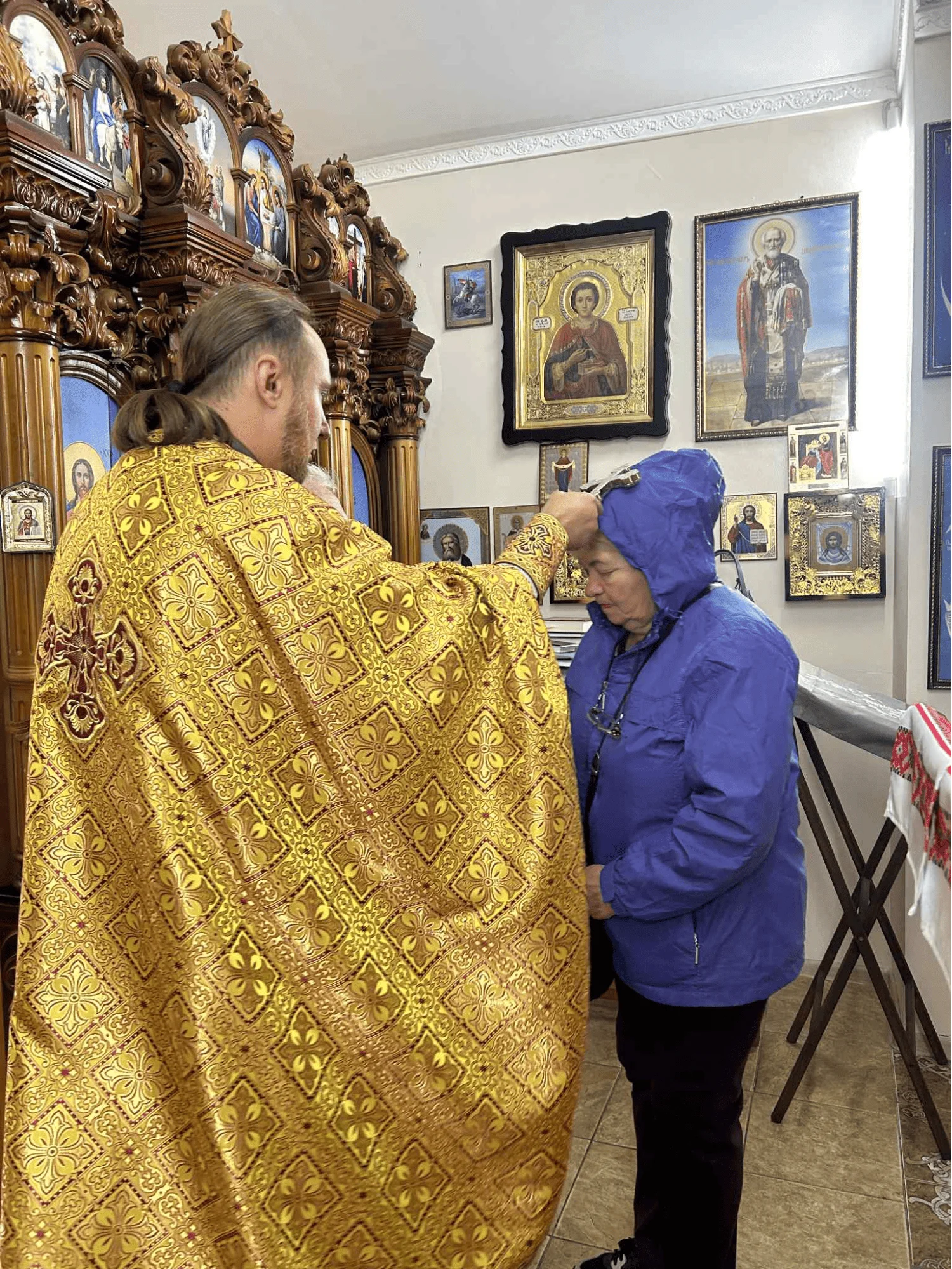
Kostiantyn served in Pokrovsk, Myrnohrad and Kostiantynivka. In 2015, during his tenure, the Svyato-Stritensky Church was built in Kostiantynivka and consecrated on the Feast of the Protection (Pokrova).
During the ATO/JFO, Kostiantyn and his parishioners already helped servicemen and were officially attached to the 90th battalion of the 81st Airmobile Brigade of the Ukrainian Air Assault Forces.
In 2017 he and his wife Natalia and daughter Kseniia registered the public organization “Eleos-Kostyantynivka.” Then they opened a charitable canteen at the church and distributed hot food and bread to everyone. Kostiantyn says: “A person cannot think about spirituality if they are hungry.”
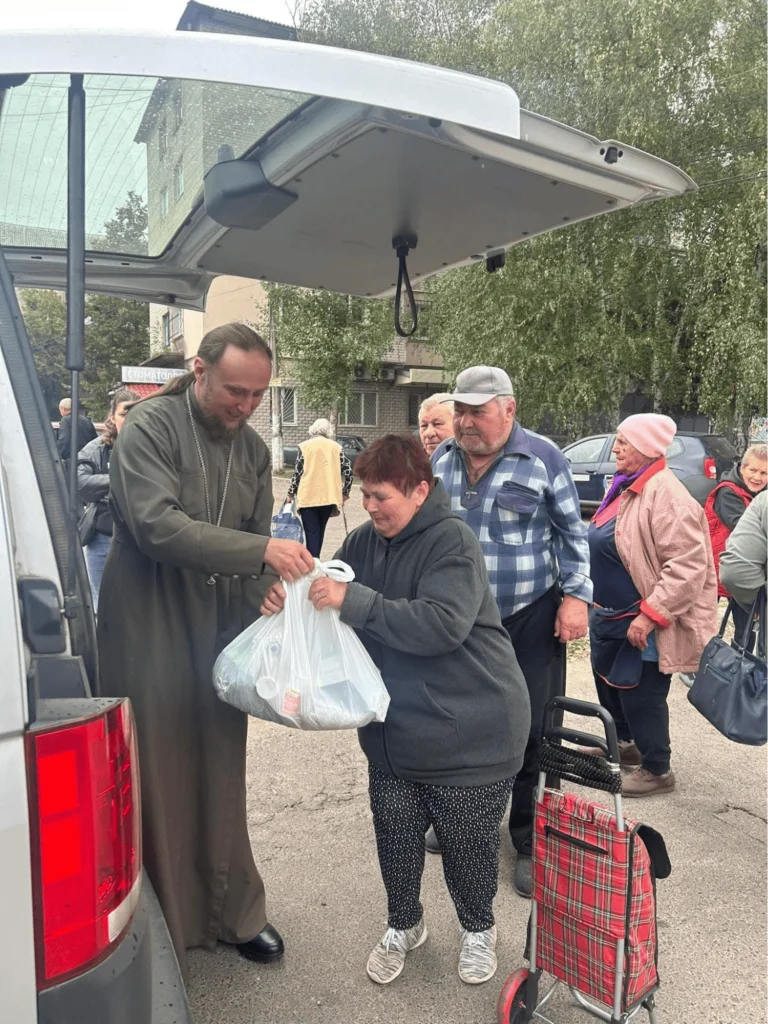
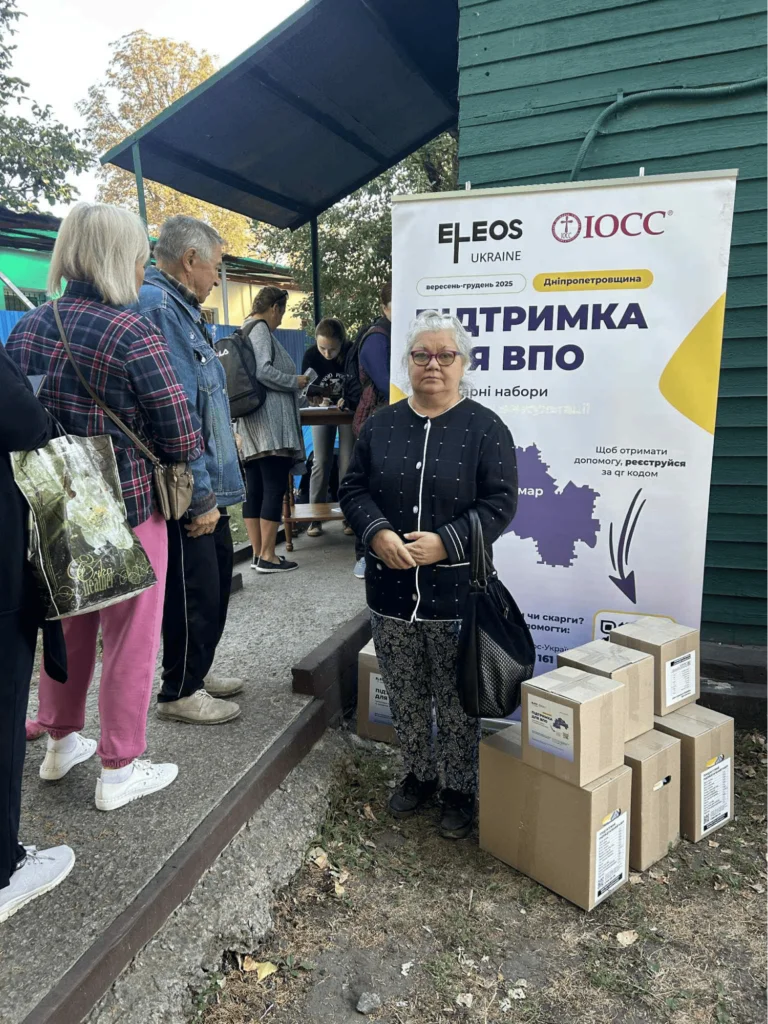
After the full-scale invasion began, Kostiantynivka became a city that received many displaced people from frontline areas of the region. People who had lost everything needed support. Therefore Kostiantyn and his wife intensified their social ministry and began helping those in need.
“In March 2022 we left Kostiantynivka for the first time. At that time there was information that the city needed to be urgently evacuated. We went to Lviv region, stayed there for two weeks and then decided we had to return. At that time there was no immediate threat to Kostiantynivka, so we returned and scaled up our social ministry. Aid was sent to us, people donated, and with those funds we bought assistance and distributed it to those who needed it,” says Kostiantyn Kuznetsov.
This year the front line moved closer to Kostiantynivka and now the city is effectively destroyed due to constant shelling by the Russian army. Kostiantyn says that in April they held the Paschal service at the Svyato-Stritensky Church, after which they evacuated to Dnipro.
“Living there had become impossible. Constant danger and shelling. Since 2022 I have always been telling our parishioners that they need to leave and protect what is most precious. And the most precious God-given gift is life. In Dnipro we did not stop the social ministry and continued helping those in need. We provide food, hygiene kits, clothing for large families and displaced people. At the same time we send aid by mail to Donetsk region. At first we sent it to Kostiantynivka while the post office still worked, and now, when the town is effectively empty and on the front line, we send it to Kramatorsk,” the archpriest shares.
People are given food: porridges, grains, canned goods, sweets, and also laundry detergents, soaps and hygiene kits. Such aid can be sent by mail or distributed locally during services. At the same time, Kostiantyn and his parishioners help servicemen. With people’s support they manage to buy power banks, laptops, clothing, medicines, body armor and helmets for them.
“Many people now turn to God and ask for help. We Ukrainians, like our ancestors, always turn to God when trouble comes to our land. But many also ask: ‘Where was your God when the war began?’ In such moments I answer that war does not come from God but from people. I often encounter human grief and human problems that need solutions. Very often people come to the Church sometimes simply because they want to eat,” says Kostiantyn Kuznetsov.
Now in Dnipro 2–3 thousand people receive aid from Kostiantyn and his family each month. In Kostiantynivka up to 500 people could come to their church in a day. And none of them left empty-handed. Therefore it is difficult to calculate the exact number of people they helped. However, the social ministry continues and will continue as long as needed, the archpriest says.
Kherson churches became volunteer support centers
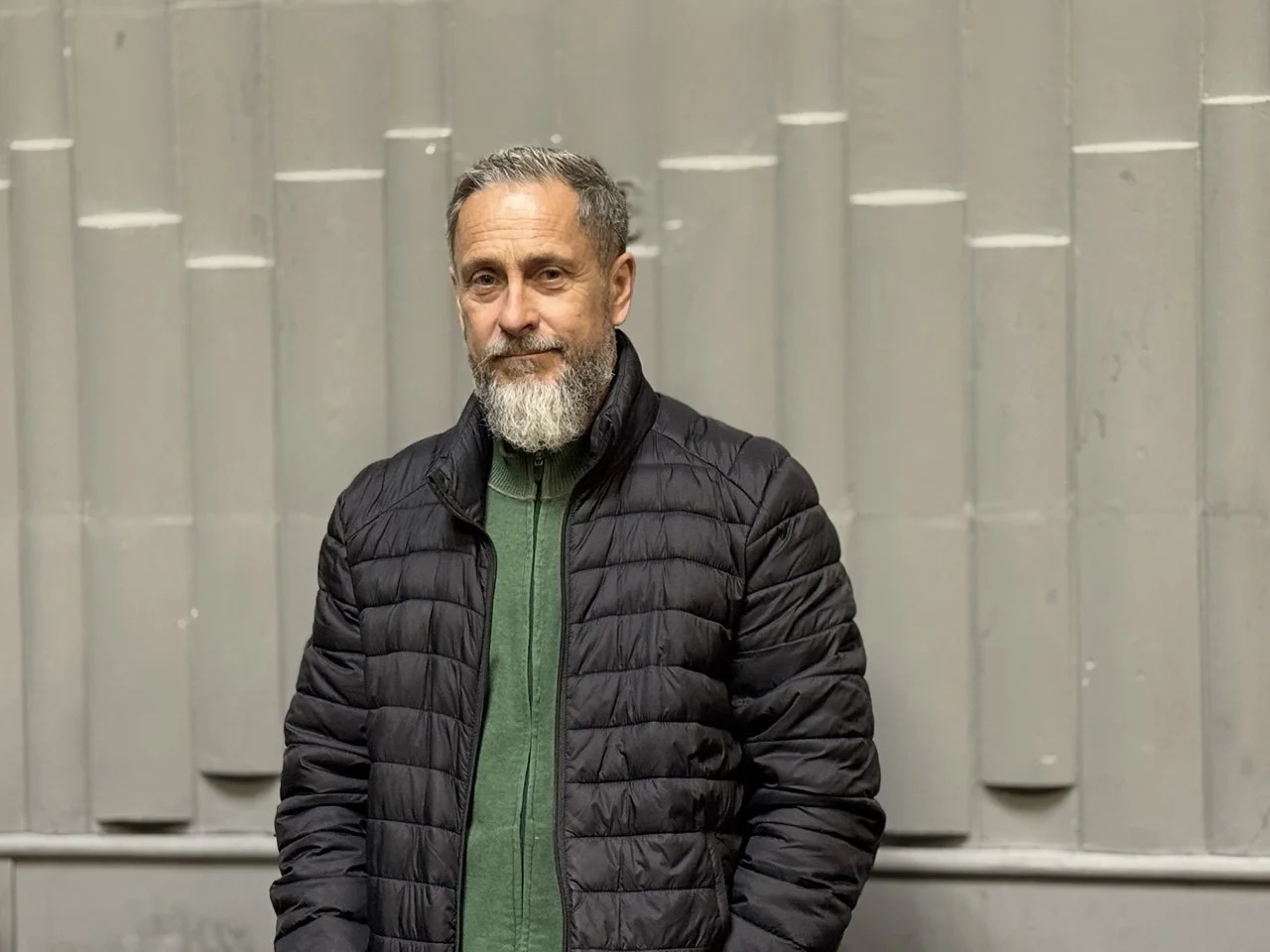
“When we talk about the church, we mean that it is not a building, nor an organization — it is a community of people. And like any community — the church in difficult times must unite, take responsibility for what happens in society and in the country,” says Pavlo Smolyakov, head of the Kherson regional association of ECB churches and pastor of a church in Kherson.
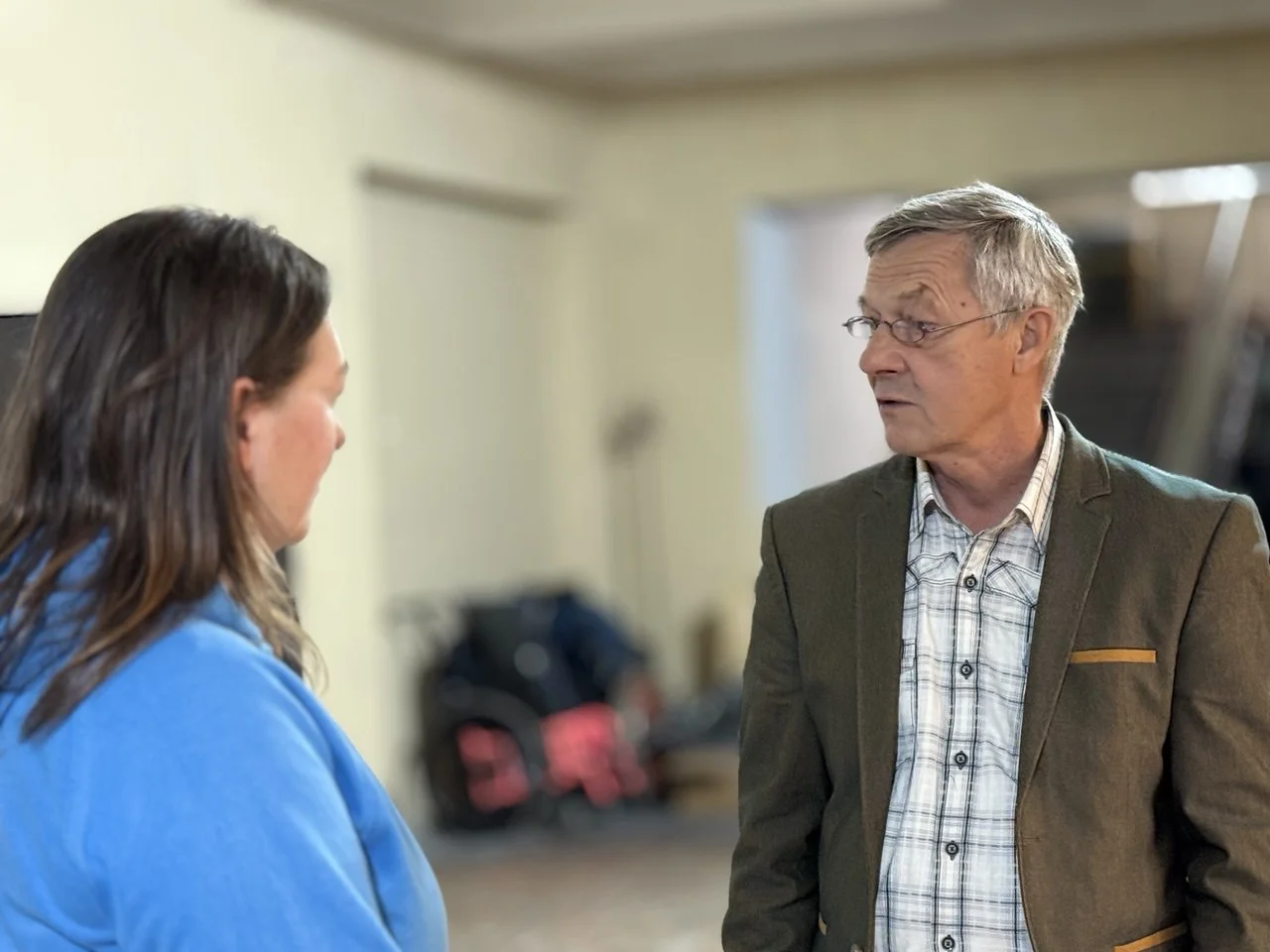
From the first days of the invasion, Kherson churches responded to the needs of city residents and surrounding villages: they delivered medicines and food to those who remained under occupation, provided moral support and opened their premises as shelters. After deoccupation, the scale of assistance increased — churches from western regions, Europe and the USA joined. Humanitarian cargoes are distributed among everyone who needs them, regardless of confession or views.
A separate challenge was the flooding after the Kakhovka HPP was blown up. Church volunteers cleared homes, repaired roofs, provided people with tools and materials. The blue tarps on roofs in the city and villages are also assistance that often arrived through church channels.
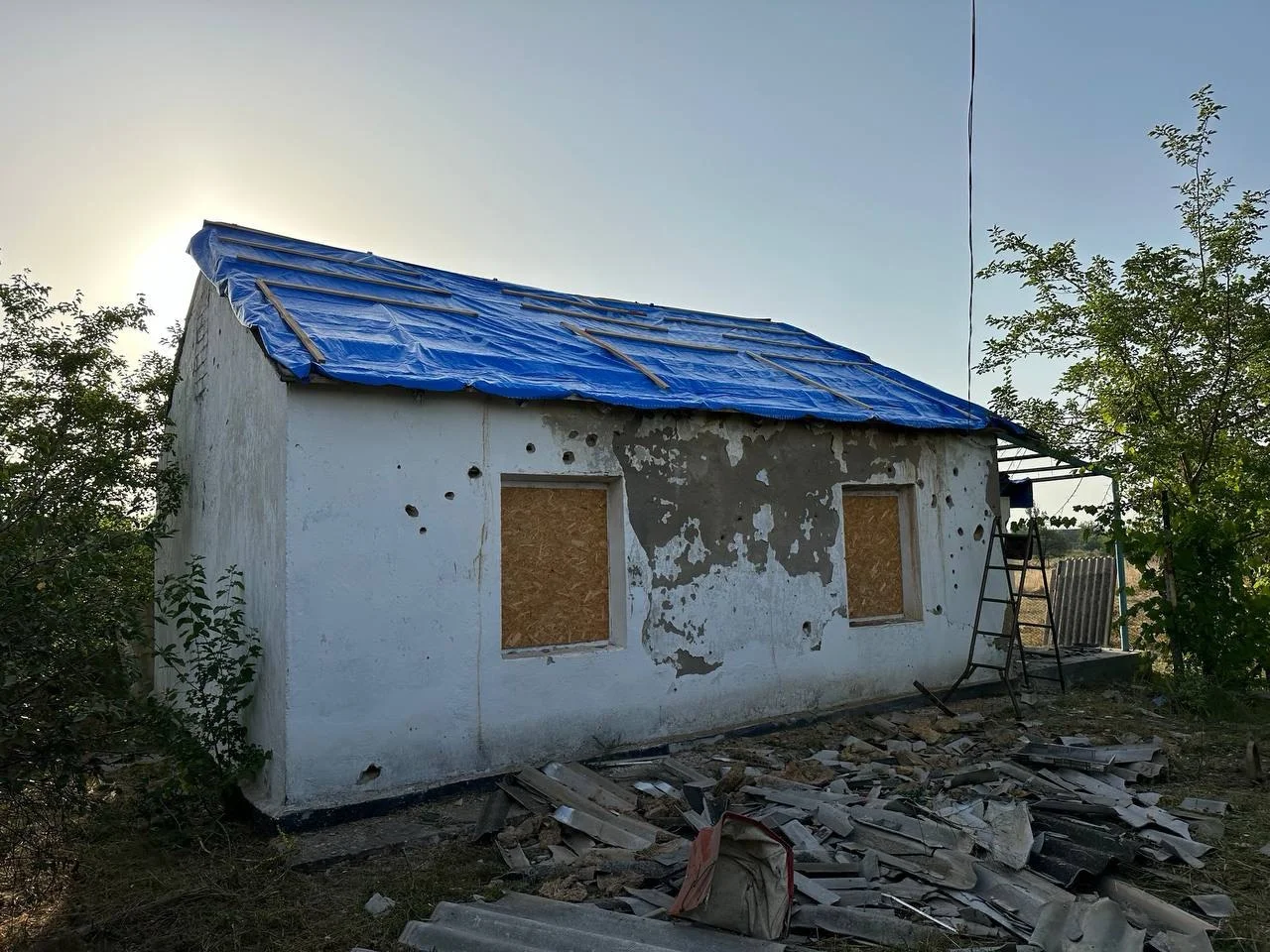
“The church is citizens who work, pay taxes and have a Christian worldview,” says Pavlo Smolyakov. — For us, helping the neighbor is not a one-off action but a responsibility: to care, to love and to help.”
By agreement between churches, people who left dangerous areas were temporarily housed in churches; then churches arranged a “relay” for placement — transferring families to safer communities in the west of the country, where they were received and provided with basic needs.
After the deoccupation of the region’s right bank, an even more powerful layer of social work formed: churches work with children and their parents, organize camps and clubs.
“Time passes, children grow. Children should not halt their development because of the war,” emphasizes Pavlo Smolyakov.
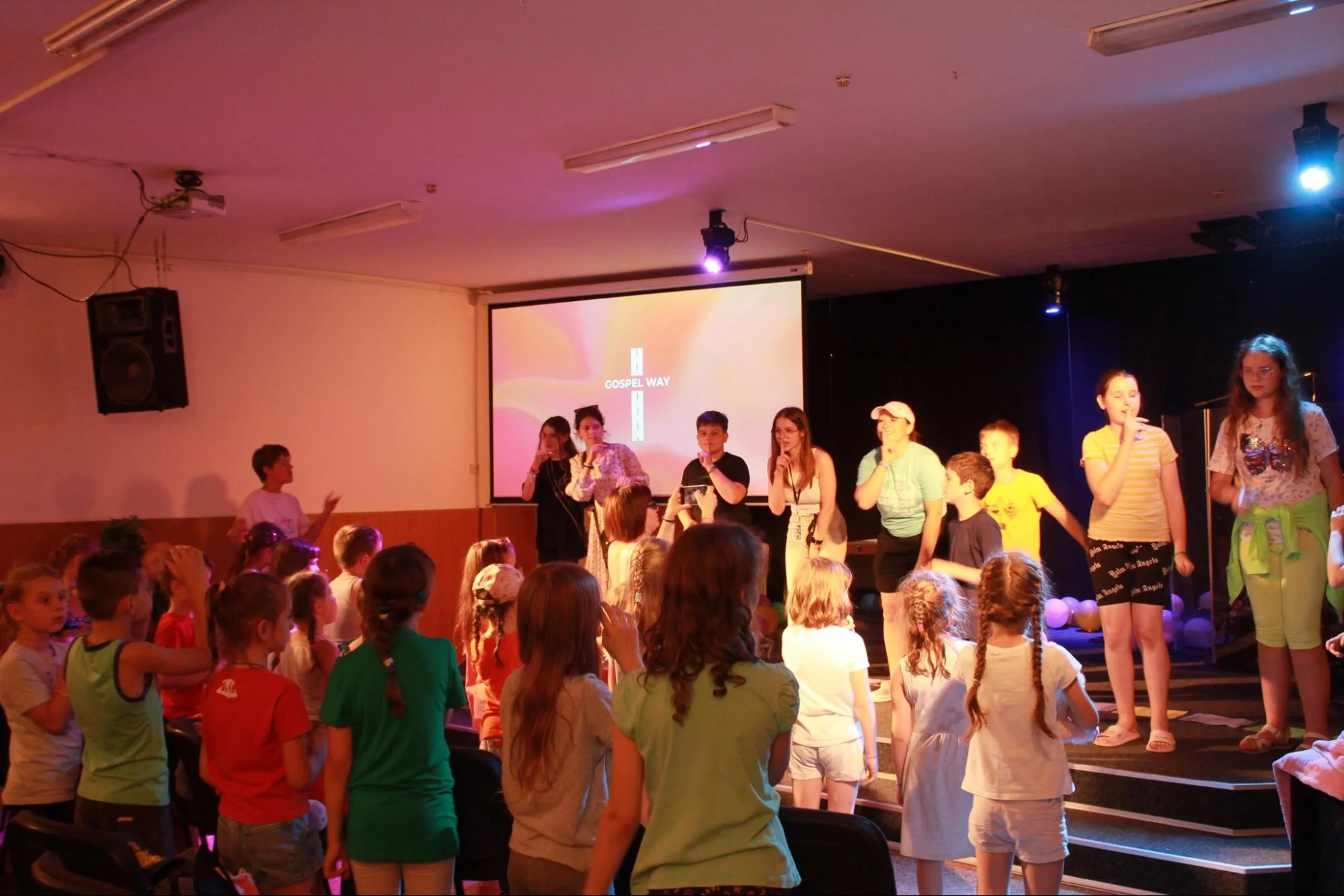
Alongside humanitarian support, churches provide space for emotional stabilization and spiritual support: individual and group meetings, counseling and mutual aid communities.
“It is important for a person to have peace in their heart. When inner peace appears, a person can solve many problems. The church’s task is to help find that peace — with God and with oneself,” adds Pavlo Smolyakov.
Today churches in Kherson region have become networked volunteer hubs: they combine humanitarian, psychological and spiritual support, organize evacuation and temporary accommodation, and help restore housing — even under daily shelling.
How does it work?
Solutions of Kherson churches
Social bakery (Church of Christians of Evangelical Faith, Pastor Yurii Kolesnyk)
The social bakery at one of Kherson’s churches is its response to the city’s food needs in wartime. The project’s task is to consistently bake bread and give it to those most in need without imposing any religious or bureaucratic conditions.
“The church is not only spiritual provision for citizens, but also assistance with humanitarian goods,” explains Pastor Yurii Kolesnyk.
The bakery was launched in January 2023, immediately after Kherson’s deoccupation. When the city lacked electricity, the charitable foundation “Hands of Mercy” provided the first wood-fired ovens — which allowed work to begin without delay. Later, with the support of two partner organizations from Moldova and the USA, the church purchased two electric bread makers and reached stable production volumes.
“Today the bakery operates daily and bakes up to 800 loaves per day — approximately 15 thousand per month. Volunteers from the church are involved in production. Raw materials are a joint contribution from many people and organizations: flour, yeast and consumables are donated by benefactors from Sweden and Volyn, as well as local residents who share their own flour: ‘Better bake bread from it and distribute it,’ they say,” the pastor says.
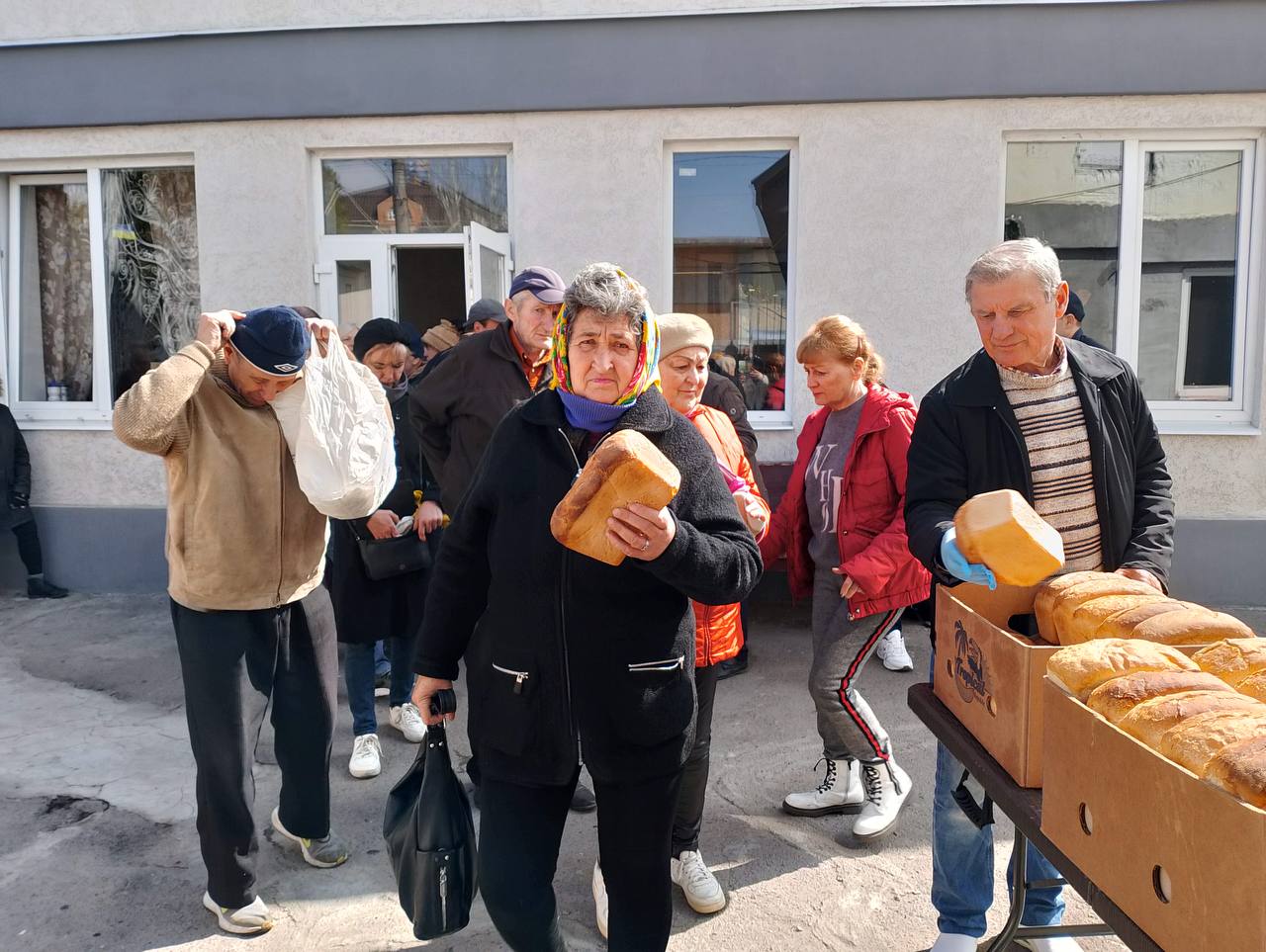
Bread distribution is built on partnership. Other Christian churches and volunteer initiatives in various districts of the city join the distribution — Skhidnyi (to “Salute”), Antonivka, Ostriv, Sukharka, city center, Chornobaivka. Once a week one of the city hospitals also receives baked goods. In Yurii’s church distribution takes place both after Sunday service and on weekdays: the principle is unchanged — “whoever comes receives,” with no religious filters. For people with disabilities there is targeted delivery via responsible volunteers.
“Our bakery is registered with the State Consumer Service; we have officially notified the military administration about our work. This is not a business project, it is — a social bakery. There is clear reporting: production volumes, delivery routes, the list of partner organizations and the responsible persons who receive the bread are recorded,” explains Yurii Kolesnyk.
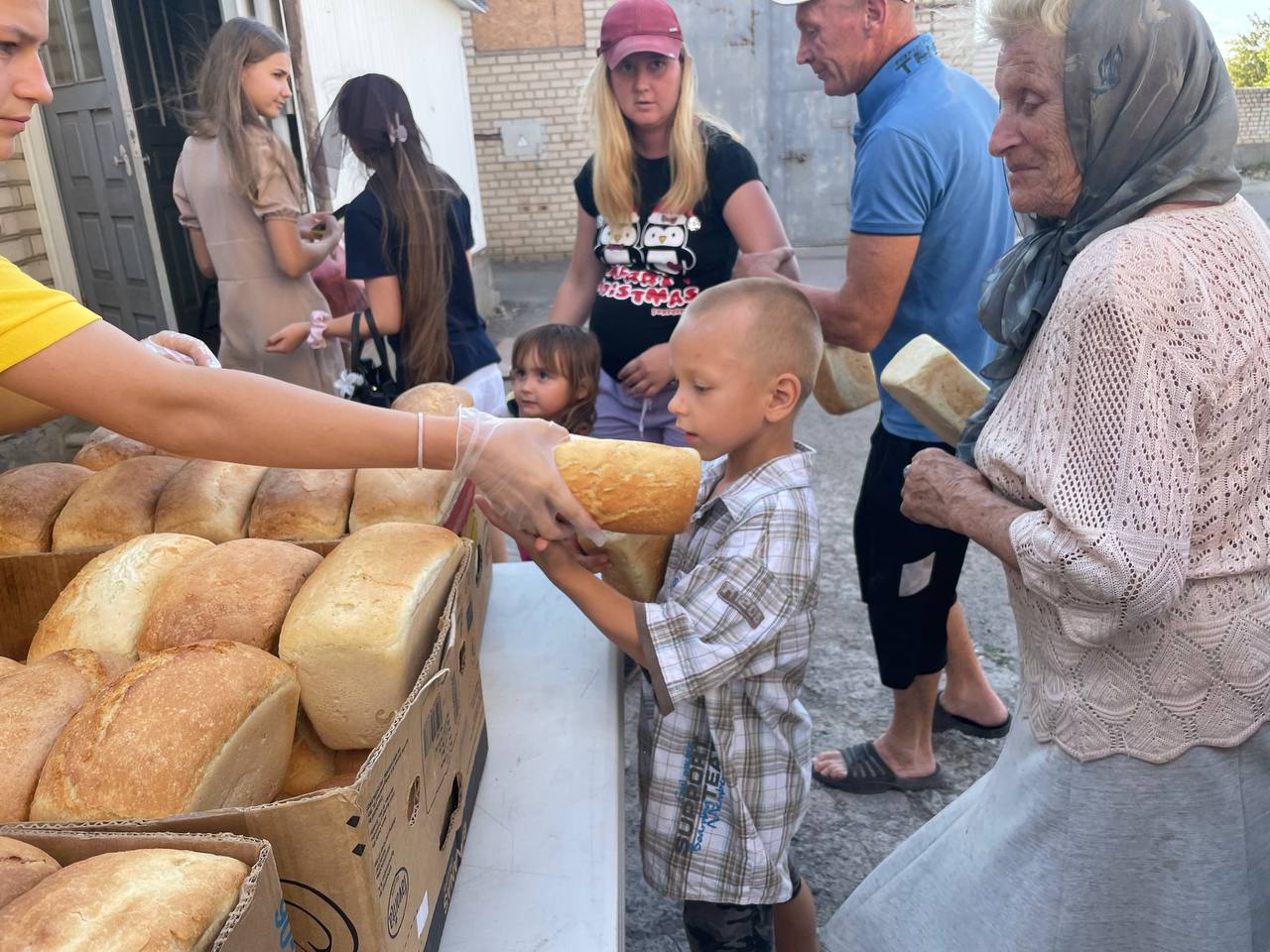
There is demand to scale the project, but the team looks realistically at current conditions in Kherson.
“We could consider scaling, but some ‘buts’ arise. There are not many willing people because it is a responsibility. Even if you fully accept responsibility — the monthly costs are large. So we cannot open another bakery yet. Maybe a small one to meet the needs of a single church. But a wider one, like the current production of 15,000, — no,” says Yurii Kolesnyk.
Hot meals, care and support groups (Evangelical church, Pastor Stanislav Shelukhin)
Pastor Stanislav Shelukhin and his wife Snizhana (a certified psychologist) describe the church’s role during the war simply: to be near people — socially, spiritually, emotionally and psychologically. Their church runs a hot meals project (vouchers are distributed at Sunday services), food packages, work with children, meetings for women and young mothers and ministry for widows.
“For many women the church is not only a place to communicate with God but a community where they can talk and feel supported,” says Snizhana.
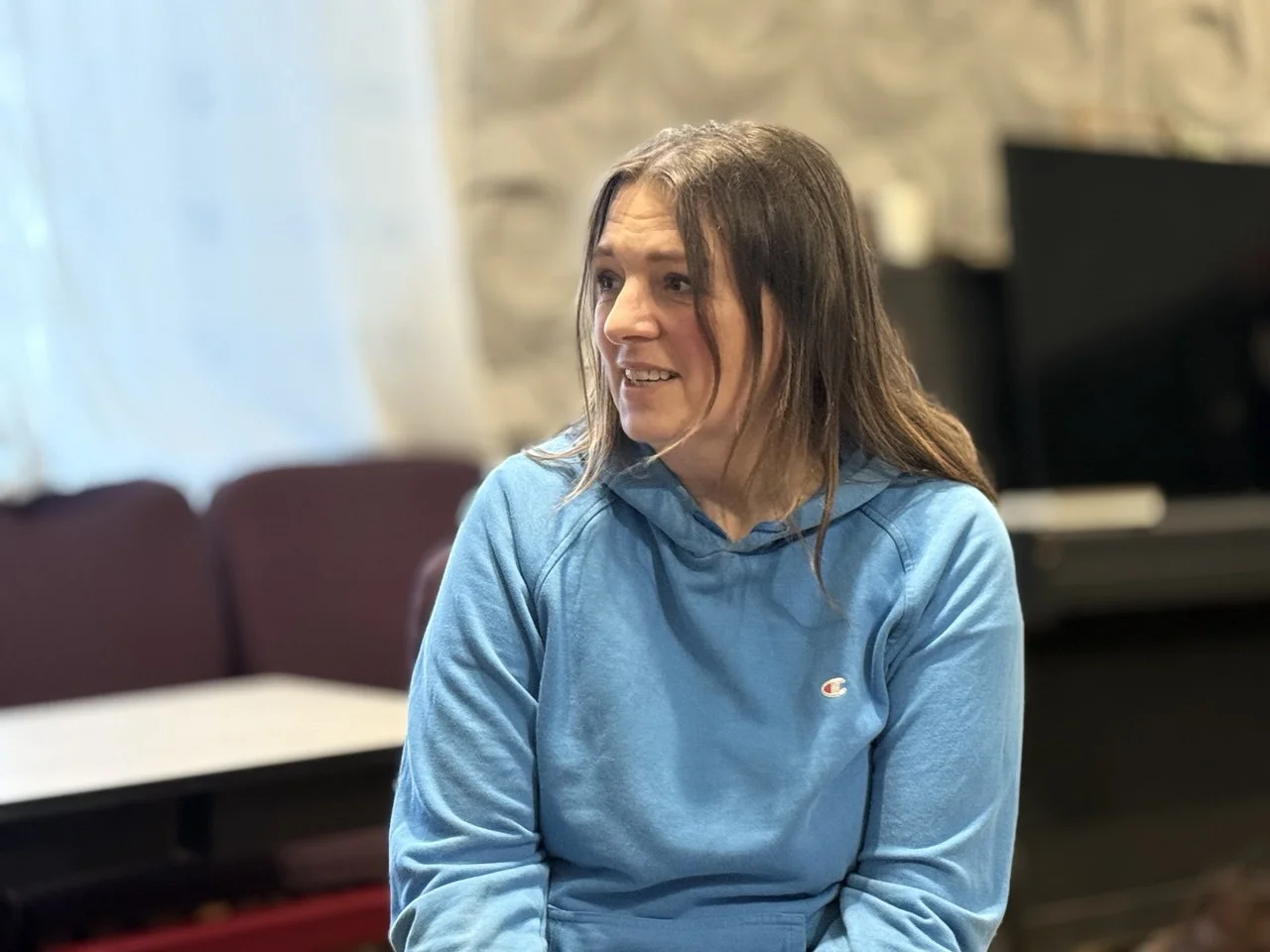
The church also organizes outings for widows outside Kherson (for example, to the Mykolaiv zoo) to help them briefly escape life in a place of constant anxiety.
Snizhana leads mental support groups: how to recover from stress, what to do after shelling, how to reduce fear. The format is simple — talk, support, be present. Not only church members join these events: “The doors are open to everyone. Often unchurched people come because our meetings are ‘a thaw for the soul,’” she explains.
The church works with children in different neighborhoods of the city. They are restoring the children’s club “Awana,” which before the full-scale invasion ran every Saturday for six years (two hours of games, creativity, ethics lessons and anti-bullying). They plan to open an art studio for teenagers.
“When war is all around, it is important for children to have a safe place for communication and development,” the church notes.
Funding for social ministry projects comes mainly from sponsors and co-religionists in Europe and the USA.
“Our donations cover only a few percent of the need. Everyone works as volunteers; there are no salaries. Funds are invested in projects and utility expenses,” says the pastor.
Fundraising is ongoing; they acknowledge donor fatigue but continue to seek support.
There are challenges: power and water outages, shelling, destroyed equipment and property; sometimes people come under fire on their way to the church. Despite this, assistance continues. Plans include rebuilding housing for vulnerable families, continuing distribution of food packages, further equipping the bakery-canteen (goal — 50–100 loaves per day) and expanding children’s programs.
Before the war, a small farm (sheep, cows) operated at the church as a social enterprise; during occupation the farm was effectively destroyed. They are now restoring it starting with two cows and are considering a compound feed production project to be less dependent on donations in the future and to direct earned income to social initiatives.
Does it really work?
Features of brotherhood
According to the head of the regional association of ECB churches, Pastor Pavlo Smolyakov, at the core of the churches’ social ministry in the region is brotherhood. Supporting and developing social projects would be impossible without it.
“Because people in Christ — they are all brothers and sisters. It is a kind of philosophy of family relationships. They are simply formed differently,” he explains.
These “family ties” between churches in Ukraine and abroad became channels for rapid mobilization of resources: from donations and “whoever has what shares it” to large targeted projects.
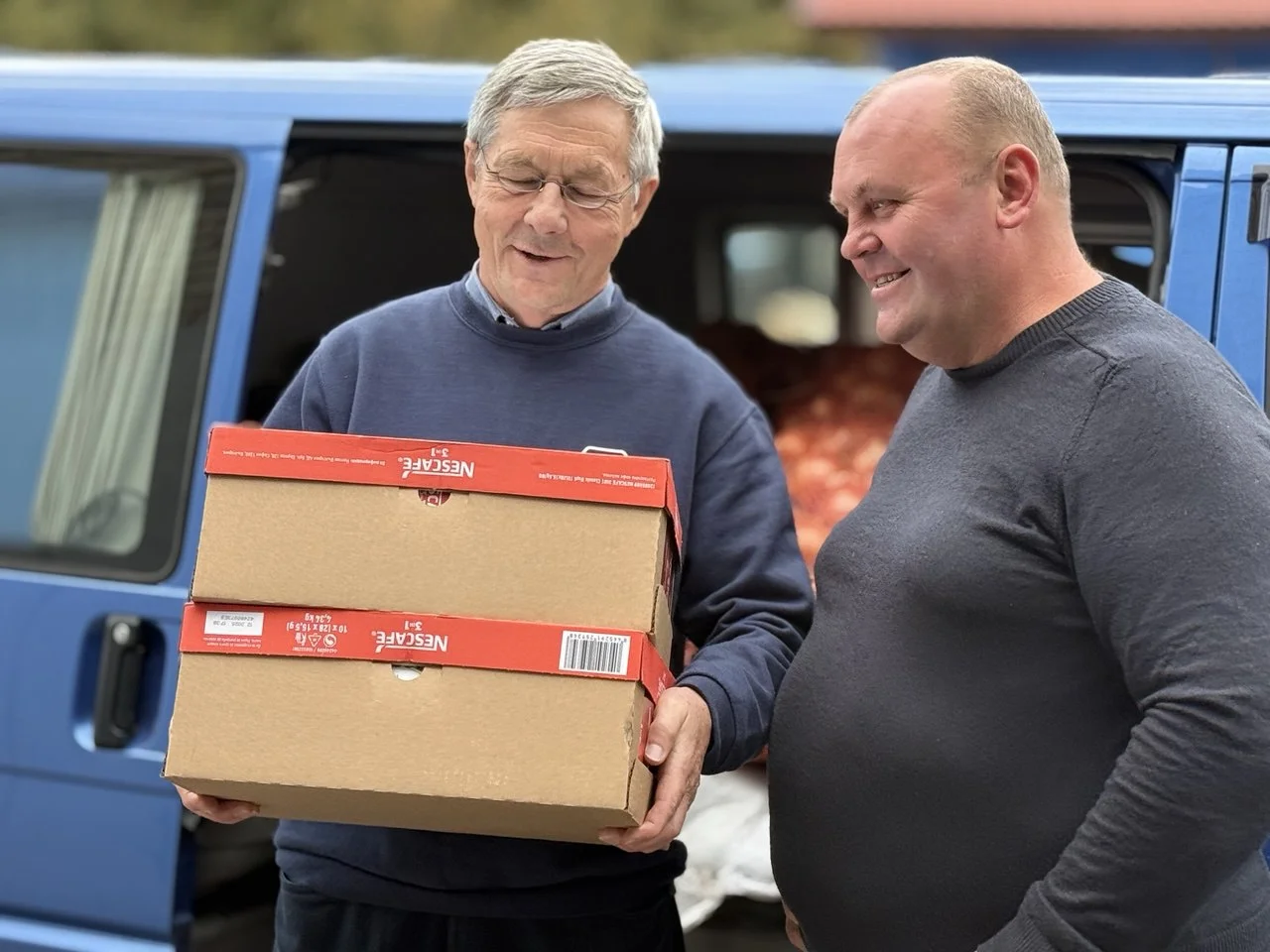
During the full-scale invasion, significant funds and material resources entered Ukraine via church channels — sometimes on a scale exceeding the collections of some well-known funds. A notable example is the “Providing Warmth” project: several million dollars were directed to fuel materials (firewood, briquettes), generators and fuel. Everything goes through official non-profit structures with mandatory reporting. Additional efficiency comes from using church premises: there are no rental costs.
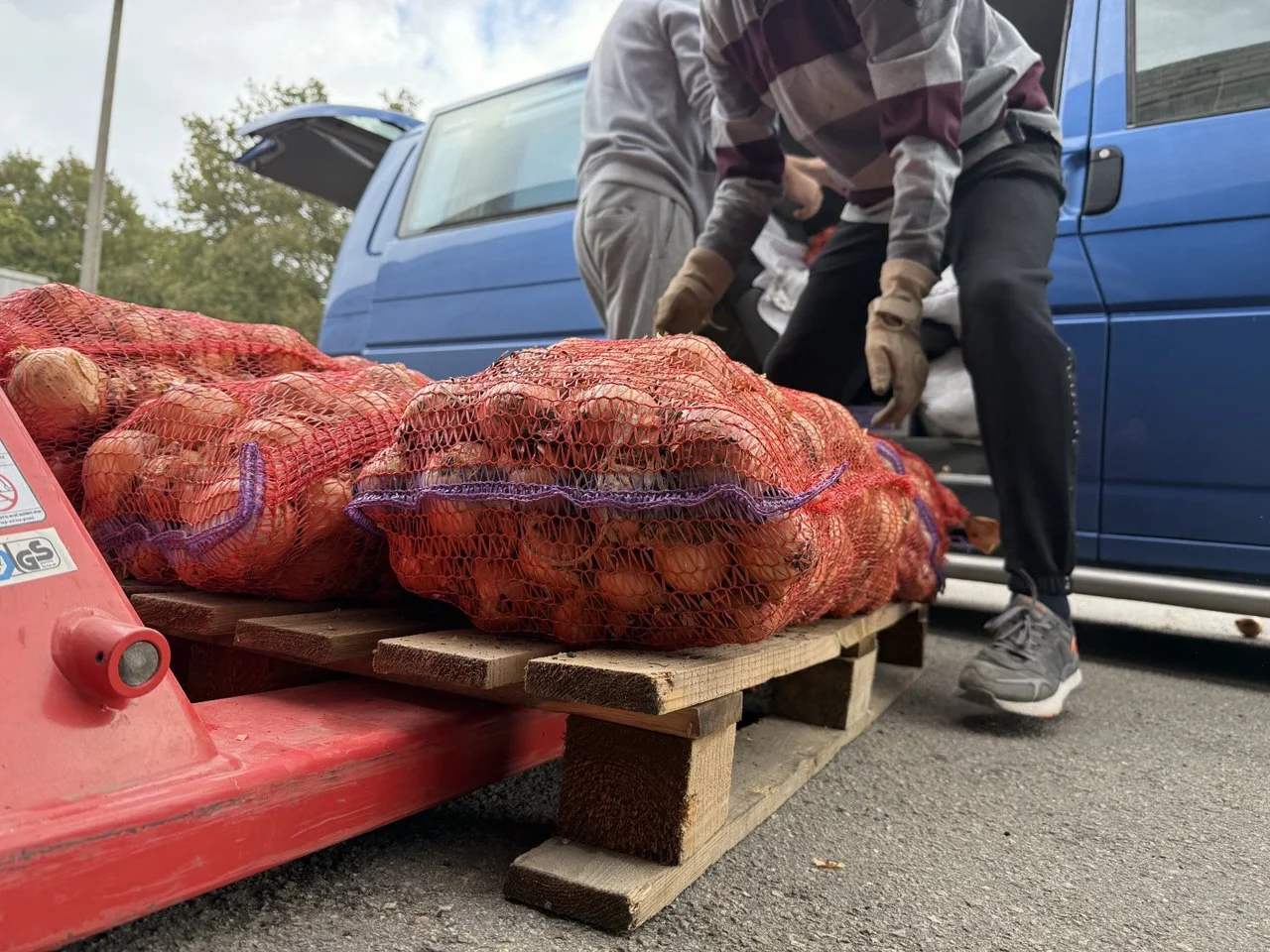
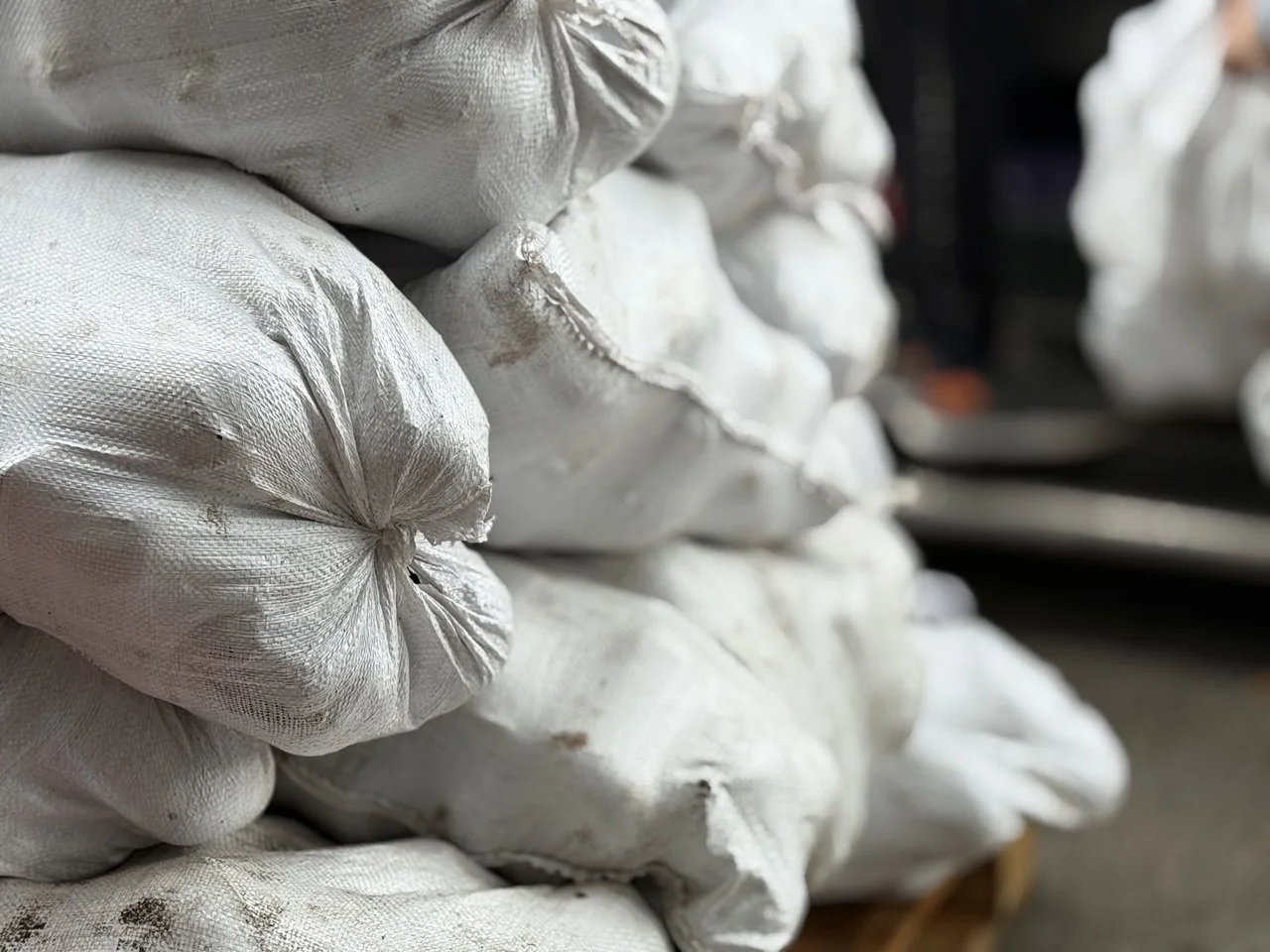
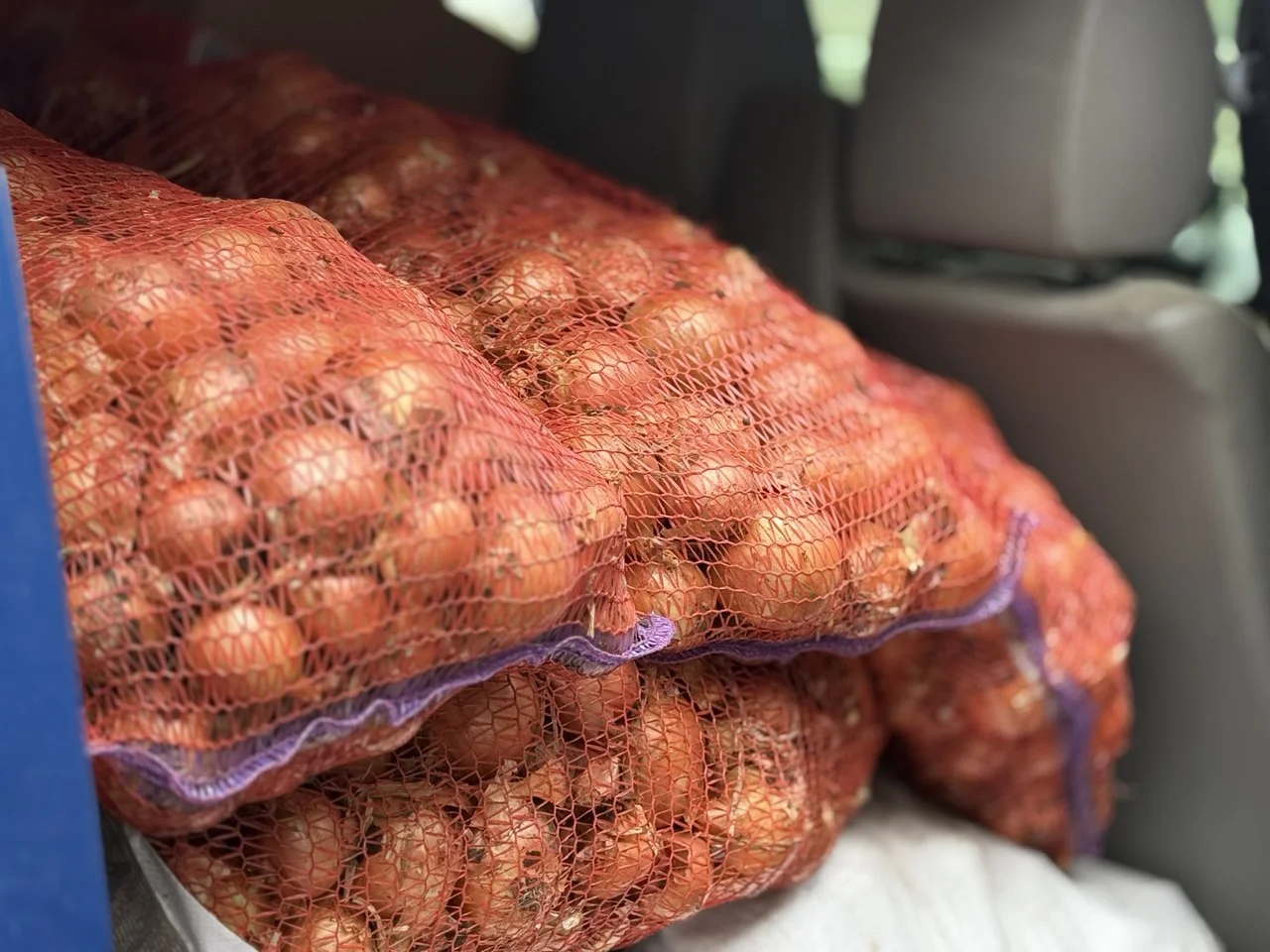
The effect is measured not only in numbers but in the scope of services. We are talking about thousands of families who received food packages, hygiene items, clothing, consultations, assistance with evacuation and temporary shelter, and help in restoring damaged housing. Often people do not even know that a church community supported them.
“We are talking about thousands of people who were given aid. And often those who receive it do not even know it came from a church. These are humanitarian kits, consultations, work with children and families, help with housing restoration — we simply do what is needed,” says Pavlo Smolyakov and adds — “There was recently shelling in Stepanivka. A woman’s house was damaged. She says: ‘They have already delivered OSB boards to me, but there is no one to install them.’ I ask: ‘Who delivered them?’ — ‘Some volunteers.’ I know the material was delivered by the Church of Christians,, and we — volunteers from another church, came and did the installation. For this woman we are all simply volunteers. She does not suspect that this is the work of churches. And this happens very often.”
Material created jointly with the online publication “Skhidnyi Variant.” Authors: Inga Pavliy, Nataliya Maistrenko, Serhiy Nikitenko