

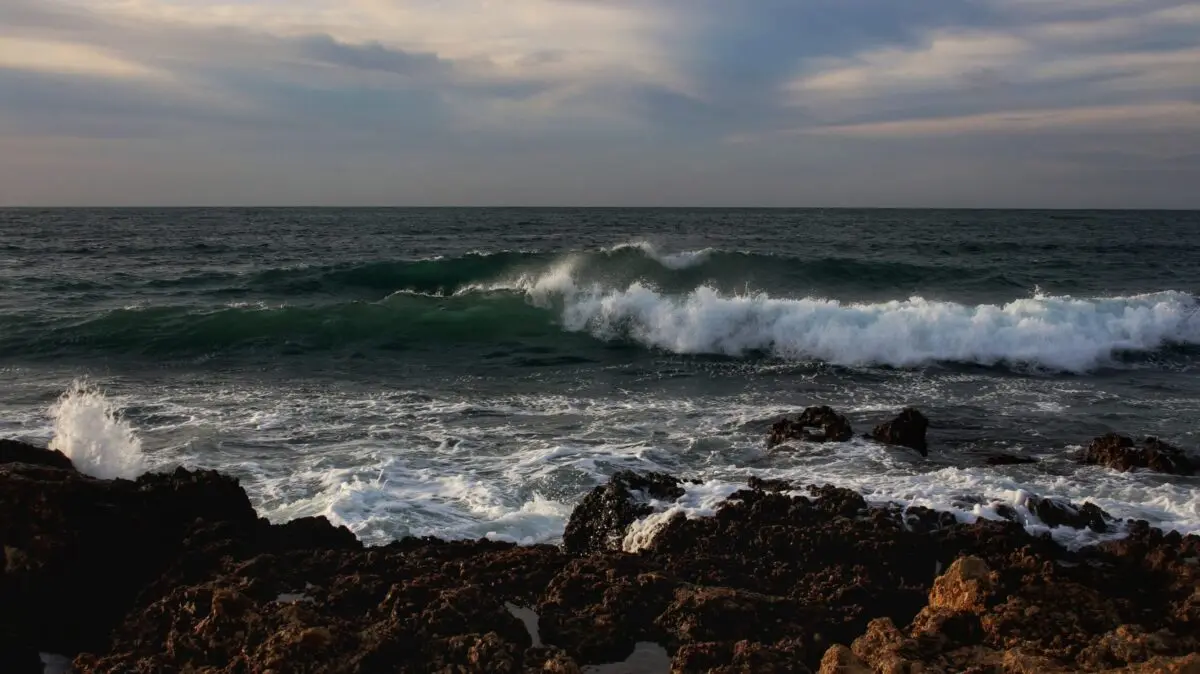
The detonation of the Kakhovka Reservoir by the occupiers resulted, according to various estimates, in the death of between several thousand and tens of thousands of dolphins, and also – more than 50% of mussels. More than one and a half years have passed since the tragedy.
Whether the Black Sea has managed to recover was told to Suspilne by ecologist Viktor Komorin of the Ukrainian Scientific Center for Marine Ecology.
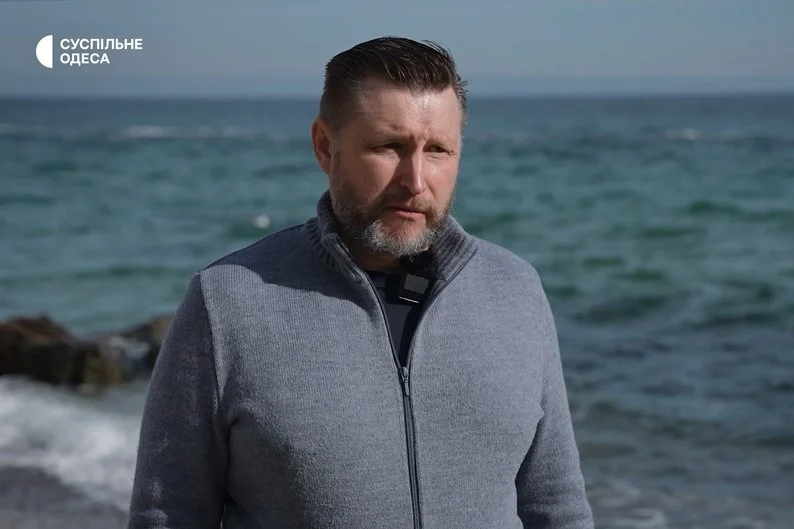
The expert explained that although ecologists currently cannot go out to sea for full-scale research as they did before the war, they receive data from three sources — coastal samples, satellite images, and mathematical models. Although this is not much, it provides an opportunity to see the overall picture, he assured.
According to him, the ecological state of the sea is somewhat better than in the summer of 2023; the sea is gradually self-purifying. But the consequences are similar to a chronic illness. Now even minor changes — wind direction or temperature fluctuations — can trigger water blooms, hypoxia or anoxia. This means the ecosystem has moved out of a stable equilibrium and reacts to any stimuli much more sharply.
The ecologist also warns that it is still not entirely safe to catch fish in the Black Sea, because heavy metals and organic toxins are especially found in bottom-dwelling species.
In addition, in December 2024 there was a fuel oil spill from two Russian tankers. The Russian Federation made no official statements about this, but analysis showed that part of the fuel oil was from one source and the other part from another. Proving that the substances came specifically from Russian tankers is still difficult due to the lack of official samples, the publication’s materials say.
Environmental services constantly collect evidence of environmental crimes by the Russian Federation. Everything is passed to the prosecutor’s office; criminal cases are opened based on the results, says Viktor Komorin.
The ecologist summed up his interview with the publication, noting that Ukraine needs implementation of the EU Marine Strategy Directive, control by local authorities over pollution, effective operation of municipal services, as well as the personal responsibility of every resident to restore the ecology of the Black Sea.
Earlier MOST wrote about the record growth of a willow on the bottom of the Kakhovka Reservoir in the Kherson region and what else unusual scientists found during the expedition.