

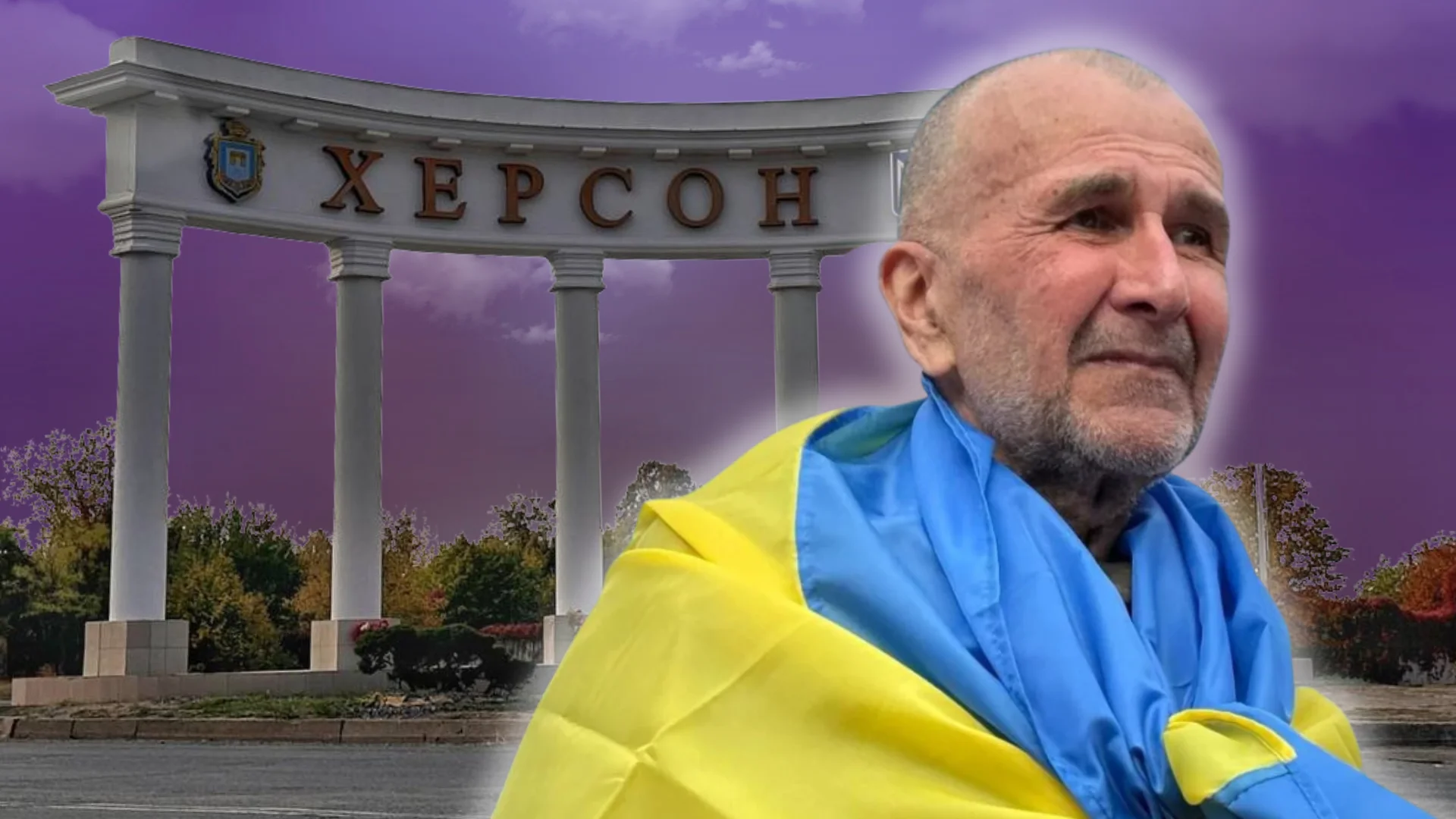
“They were so afraid of exposure that even in Russia, when they took us out into the yard for a walk, they forced us to pull T-shirts over our eyes so we wouldn’t see their faces,” — recalls Volodymyr Mykolayenko about his captivity.
The former mayor of Kherson spent almost 3.5 years in Russian captivity. During that time he repeatedly insisted that he not be exchanged for Russian soldiers. He says that even now his conscience tortures him that someone is still waiting for an exchange while he is already receiving treatment.
MOST spoke with Volodymyr Mykolayenko about the years in captivity, how the Russians tried to persuade him to cooperate, about intimidation and threats, the information vacuum and how he finally learned about the liberation of his native Kherson.
Tell us about the day you were kidnapped. How did it happen?
I was going to a meeting with a representative of the Territorial Defense, with a person with whom we were in the same unit.
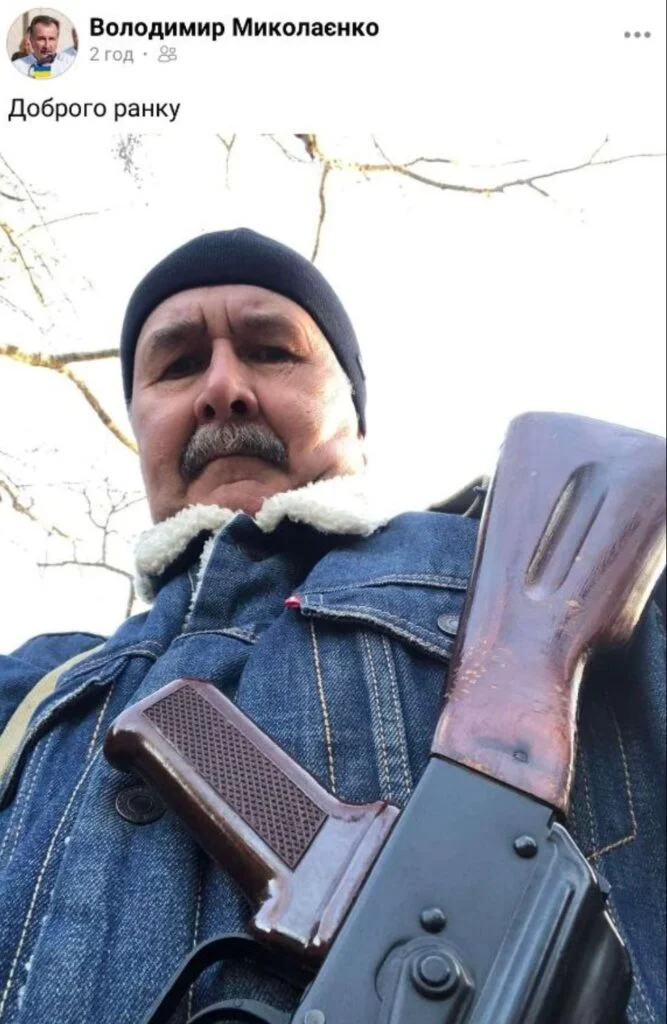
When I approached the place, a car sped off, a man in uniform with a weapon jumped on me. They asked my name. They asked into the car “Is this him?”. Someone from the car confirmed: “He is.” They tied me up, threw me in the trunk. It was the yard of a building, there weren’t many people around. I don’t know if anyone saw it.
They took everything out of my pockets, but I still had my phone. I started calling my wife from that trunk, they heard and began demanding I hand over the phone. My wife heard it and understood that I was in captivity.
They brought me to Lyuteranska, to the regional police department. They said they would give me the phone so I could tell my wife that I had been going with the Territorial Defenders on a mission, partisan work and all that. I said I wouldn’t lie to my wife.
They asked: “Do you understand the consequences?”. Of course I understood. I was very afraid that my phone would be used and someone else would end up “in the pit”.
The next day they told me that they had seen that all the local and central sites had written about my detention. They realized they wouldn’t be able to deceive anyone.
Nevertheless, they insisted that I call people — you among them, Serhii, and Eliko Ruslanivna Markelia. They were very interested in you, I think in their imagination you were supposed to be sitting next to me.
Were those Russians?
Yes, they were Russians. But I understood that there was always a Kherson local next to them. Because he was very well informed about local matters, about some small details that only locals know. A short man.
Were they all masked?
Yes. In balaclavas.
On the first day were you put into a cell?
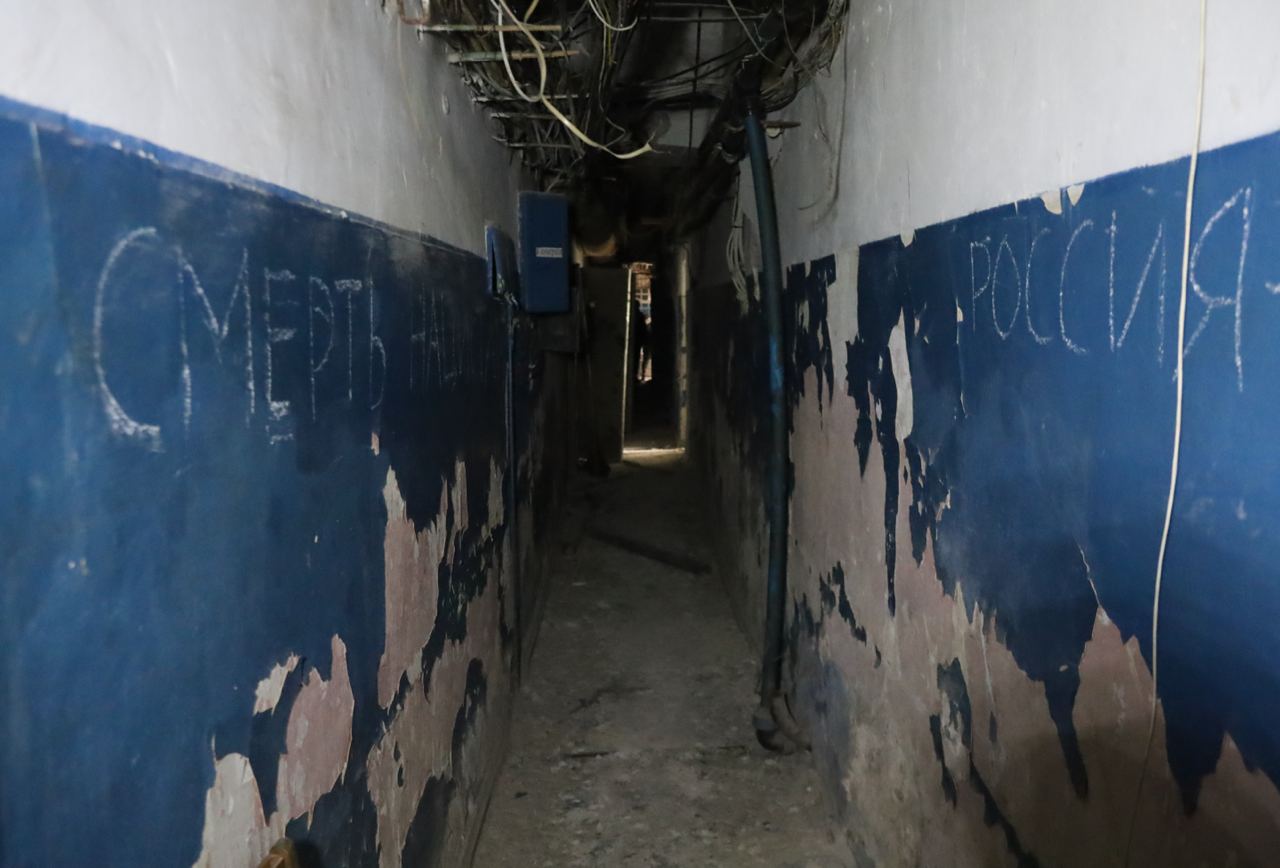
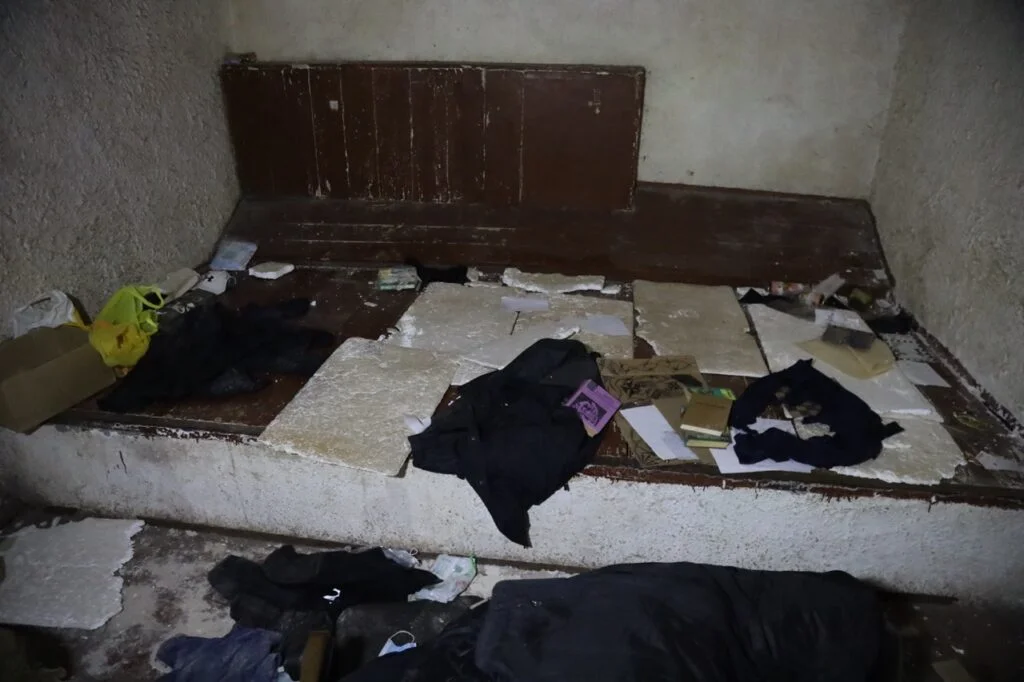
Yes, they threw me into a “single” cell. It’s a kind of basement room in the regional police department used to hold prisoners. Damp, water constantly running, cold. And I was in light clothing — it was spring. They kept me there for an hour. Then they took me to an interrogation: “Did they leave you here to lead the resistance? Where are your people? Where is your weapon?” They beat me thoroughly. And that happened every day.
They wanted to learn about the resistance from you? Did they know you were in the territorial defense?
Yes, where the military units are, which people lead them, how they conduct resistance, what you plan to do? Who are these people? I said I am retired, I am not involved. And they — “We know you’re retired, but tell us everything”. Well, they beat me… And it was a holiday week — after Palm Sunday (I was detained on Monday) and before Easter — they beat me so much… They said “You can only not be hit in the face, you are a politician. But you can be hit in the head and body.” On Good Friday they beat me twice, and on Easter not at all. So I guess they celebrate too.
Were you in solitary the whole time?
No, I stayed in solitary for a day, then they moved me and we were in a cell together — me and our guy from the patrol police — Andriusha Horshkov.
By the way, they were very interested in where Putilov was (Andrii Putilov, former head of the Kherson ODA, — MOST). Although he supposedly had disappeared earlier.
Wasn’t it at the beginning of May?
No, he disappeared before me.
Who else among well-known people did they ask about?
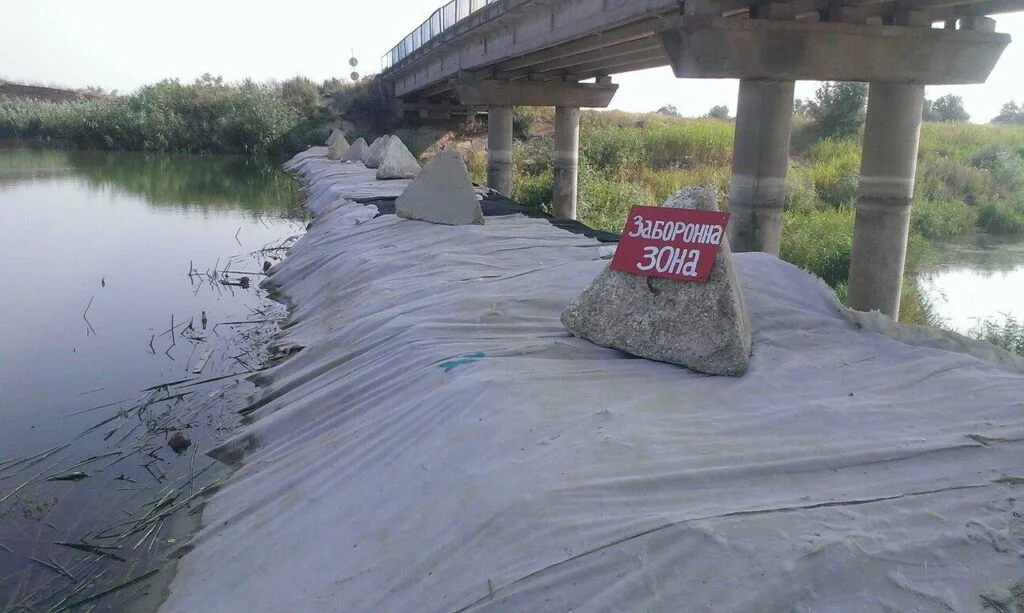
For the most part, they were more interested in public figures. They asked about you, about Eliko Ruslanivna (Markelia, — MOST). When they realized I wouldn’t set anyone up, they somehow gave up. Although… I don’t want to name whom they asked to whitewash. They were so interested in Putilov because he supposedly built that dam (the first dam that blocked water in the North Crimean Canal was actually started in spring 2014 by Yurii Odarchenko, and already the second dam was started during Andrii Putilov’s governorship, but was completed under Andrii Hordieiev, — MOST). They said that Yurii Vitaliyovych Odarchenko was not much there (in power — MOST), but Putilov built it, and Hordieiev supposedly was only interested in football, while Putilov built the dam, and he is a scoundrel.
About Hordieiev I told them that he was interested only in football and I didn’t want him to be seized elsewhere.
But you can’t absolve Putilov.
Did that short local advise them directly during interrogations?
Yes.
Did you hear his name?
No, they are so afraid. To give you an idea, in our exercise yard, there are three of them, we run out there — they force us to pull their T-shirts or undershirts over our heads so our eyes are covered, so we don’t, God forbid, see their faces. This was in Russia, meaning even there they are afraid that someone might recognize them.
What happened after Easter?
They found some photo where I’m on the Maidan with Denys Loshkariev (participant of the Revolution of Dignity, National Guard member from the “Donbas” battalion. He was killed on December 15, 2018 by a sniper’s bullet, — MOST), that night when the Trade Unions Building was burning. There I am in a helmet with “Kherson” written on it.
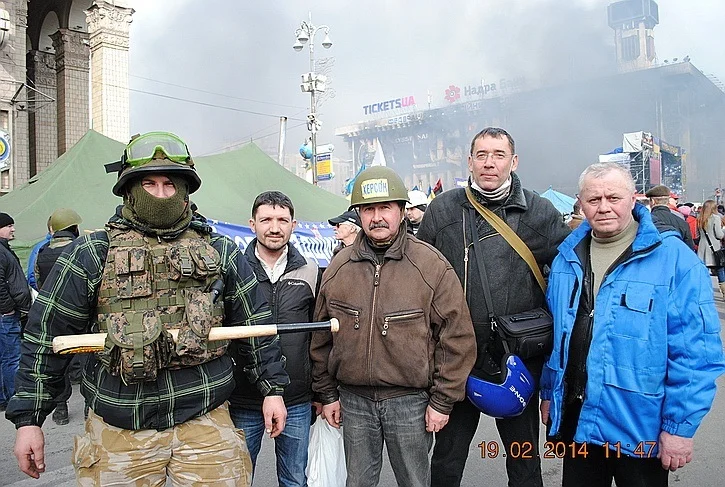
It was mainly one person who beat me. He, apparently, was not very bright, but he had good fists. They beat me a couple of times during interrogations. Then after an interrogation he came into the cell and beat me so badly he broke a rib. Today I looked at the medical examination papers. It says “Broken ribs”. They broke them three times: once on Good Friday, the second time on Pioneer Day, already in Voronezh, and the third time — when we were being “housed” in Pakino. But let it be, it’s all already forgotten.
So then Andrii Horshkov was thrown in, and then a couple of days later they brought the head of the Territorial Defense company Yurii Yevchenko. The three of us were in one cell. And the one who beat with the baton brought me a helmet, painted it with red stars, “Russia forever”, and said “You’ll sit in the helmet” and hit me in the head with that helmet. He threatened to bring me out on May 9 and make me lead the “Immortal Regiment”. We never did anything like that. Even red flags, that victory banner, whatever division that was, I don’t remember, on May 9 we had it at events. People would go to parades. No one said anything to them about it.
Did you tell them that?
I told them. They said: “You destroyed everything. You banned May 9.” I told them that was nonsense, that May 9 is officially state-fixed here.
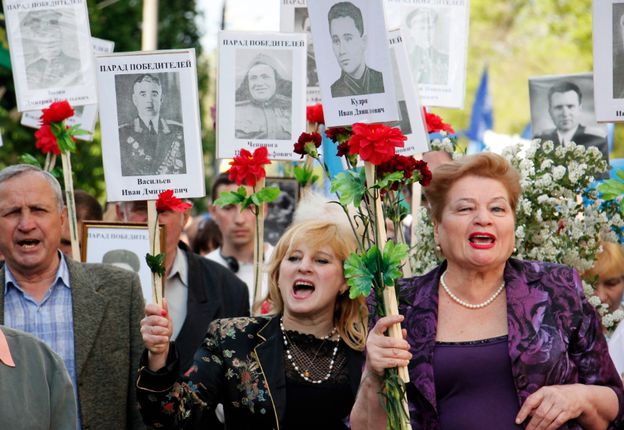
Future collaborators Tselorungo and Savluchenko at the parade in 2017
Only that when COVID began, I asked Kherson residents not to go straight in the morning to lay flowers, but to stagger in time so there wouldn’t be crowds.
And they: “You turned off the Eternal Flame!”. And I said that our gas prices were such that keeping the Eternal Flame for half a million was not possible. For them this victory-mania is elevated to a cult… They have nothing to boast about except that they buried 30 million during the Second World War. And “We can repeat”. Repeat what? Bury another 300 million? They did repeat…
When did that “journalist” Litomin first come to see you?
I don’t remember. They brought this Vanechka (Ivan Litomin, — MOST). Vanechka immediately told me: “After what you said and did there, you will never leave prison alive”.
Did he say that to you off camera?
They initially processed you off camera. Then on camera. And then again off camera when they didn’t get what they wanted. They said: “We’ll take you to Solovyov for a broadcast.” I said they would not get a single word out of me there either. “We’ll take you anyway,” they said. “You will talk. You will tell how the Right Sector and Azov run things here.”
Did Litomin talk to you one on one?
It never happens that you are one on one with the “journalist”. The “journalist” asks, and they stand in front of you playing with their batons.
At first did they film you in the yard?
I don’t remember. At first it seemed in the yard. They set a small table. Then they set me up against the wall and said “Now we will shoot you.” I said “Go ahead” and stood against the wall. They asked if I was scared. I said I was scared, I didn’t want to die, but I had fulfilled my family duty — to continue the line — I have two grandchildren. If the time has come — it has come. One began firing at the wall, the others began shouting “Stop!”.
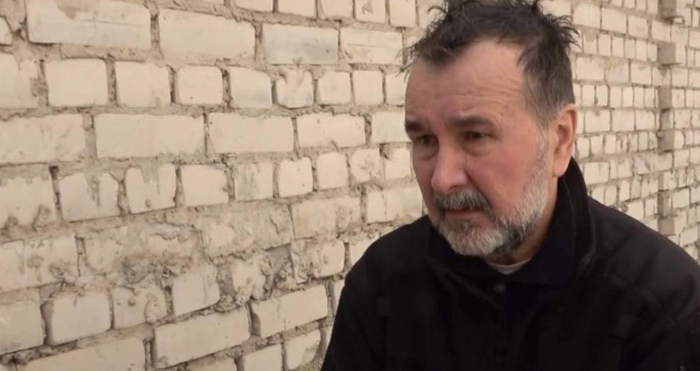
Was that in the police yard?
Yes.
Tell us about the moment they took you to the Park of Glory.
Early in the morning they gave me a disposable razor to shave and took me out to the Park of Glory.
They said: “Look, here it says ‘thank you to the Russian soldiers.’” I said: “And what, did anyone else fight besides Russian soldiers?”
“But you wrote that yourselves!”
I said: “Look how well-maintained the Park of Glory is, and you say we tore everything down and don’t honor these people. My grandfather died. But how did he die? During the liberation of Kyiv, because Kyiv had to be liberated by November 7, and Vatutin put 700 thousand people to his cause. If it had been on November 17 or 27, maybe 150 thousand would have died. But it was necessary to please the Soviet people.”
And they were recording all this on camera?
Yes, I was speaking on camera. “Look, we have a red flag,” he says. And there’s a tank near the flag guarding it so nobody would take it down. I said: “Well, I see, May 9 is exactly its place here. We had the state flag, but a lot of red flags were also present.” In short, he was dissatisfied. I even asked to come closer, knowing I probably wouldn’t be brought here again. I crossed myself, thanked, including my grandfather. But, you know, they have such an attitude, this cult of war, that they think they are so powerful…
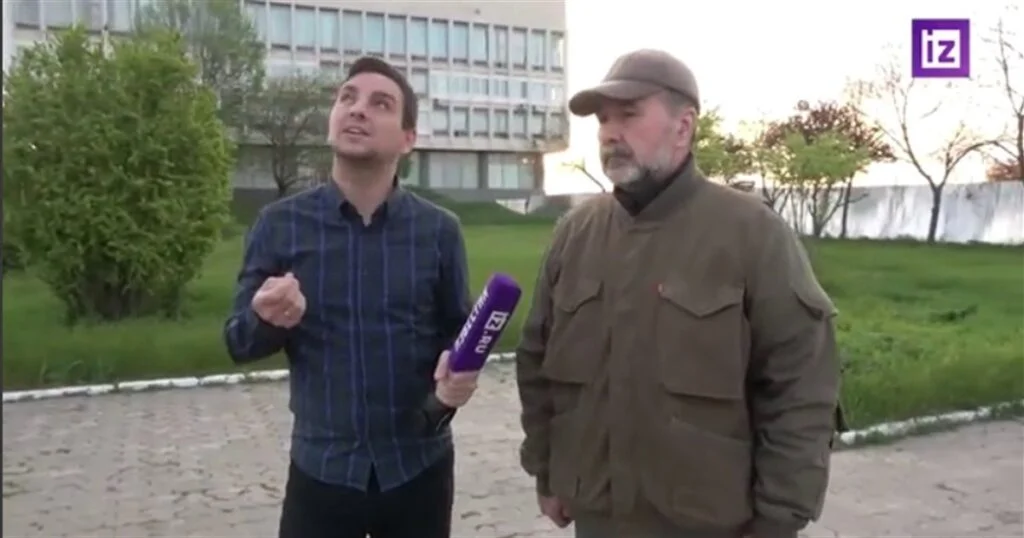
I always remembered that Lukashenko said that he and Vladimir Vladimirovich (Putin, — MOST), if necessary, would reach the English Channel in a day. In the end it took one and a half months to get to Huliaipole.
Then they told me — get ready, you will lead the column on May 9.
Honestly, I was afraid they would provoke me into those mass outings for May 9. I prepared myself, tried to fall to get bruises, but it didn’t work. I found a piece of metal — I thought I’d cut my face. But it so happened that on May 2 they took us to Sevastopol.
This story they put on seems to have played more in Ukraine’s favor, because all Ukraine saw how you answered him about Shukhevych. Was he dissatisfied?
For them it’s like “How could it be that Bandera and Shukhevych are heroes of Ukraine?”. I said that Bandera had his Hero of Ukraine status removed, and Shukhevych — yes, officially a Hero of Ukraine. What are the complaints? A person fought for Ukraine. He is officially a Hero of Ukraine. There may be many complaints about Bandera, but we will sort out our own heroes ourselves.
After that they didn’t torture you?
They tortured constantly. One day more, one day less. I was in Kherson for about 16 days. When they brought me to Sevastopol, they undressed me and asked “What is this?” I said: “I fell, I fell for 16 days.” Then two days later they processed me in Voronezh, a doctor examined me and asked: “Can you even breathe?” In Voronezh they also beat me, but Kherson left a deep impression. When I was in Sevastopol, there was one guy from our side, a medic, I quietly told him that, excuse the detail, I was going to the toilet with bile and blood. I asked what they could have broken. He said that after such beatings nothing surprising.
Did they take you through Sevastopol to Voronezh?
We stayed two days in Sevastopol, they put us on a landing aircraft, 48 people. There we were with the 36th Brigade, with marines. Those who defended Mariupol. Three girls were among them.
There were already people there with amputations — someone without a leg, Musaiev, apparently, was shot under Oleshky, a bullet went between the plates of a bulletproof vest and pierced the lungs. He said: “I lay down, understood I would die within an hour. Lungs filled with blood. Then an hour passed — I’m alive, I heard a dog barking somewhere. I crawled to the nearest village. They called an ambulance, took me to a hospital, provided medical care, and then I was taken into captivity.” By the way, they let him call his family, and the family had already received a death notice. He has five children.
Do you know anything about his fate now?
No. Another guy was without a leg, he stayed for a long time.
In Voronezh they put you in a pre-trial detention center?
Well, it’s not Voronezh, but Voronezh region, Borysoglebsk. They put us in a pre-trial detention center. The reception was very harsh, they beat. They passed us through a formation in the yard three at a time, operatives stood with rubber batons. All masked. And each of them would hit you. I was lucky — the guard who led me was already older, he only brought me half-formed and he said: “Enough, he’s already had enough, his face is all bloody.” I was beaten a lot, one of them broke my leg because I had a Bible with me. And in the Bible there was a bookmark — such little needles they use to fix pages together. I took it out and put it in my jacket, and he (the operative, — MOST) pricked his finger on it. So he bled so much from that finger because of me…
Then on October 1 they transferred us to Pakino.
Did you have interrogations in the detention center? Any prosecutors, lawyers?
Shockers and batons, planks that they beat with — these are all their prosecutors and lawyers.
Were you formally charged with anything?
No, we are just all fascists. We hold Ukrainians hostage, the population suffers because of us, and therefore we must be treated harshly.
They also spread stories that we abuse their military. Apparently they were told we shove foam sealant up their asses, castrate them. They heard such things and tried to take it out on us.
The first days were the worst. You are consistently beaten three times a day: morning check, evening check, and when you go out for exercise during the day — either the guard dog bites you, or you go to the bathhouse — they beat you too. We are enemies, we didn’t submit. We were supposed to meet them with flowers, but we met them with weapons.
By the way, from the very first interrogation in Kherson, their main conclusion was that I actively and in every way prevented the entry of Russian troops into the city of Kherson. How I prevented it, I don’t know, but judging by their conclusions, I prevented it.
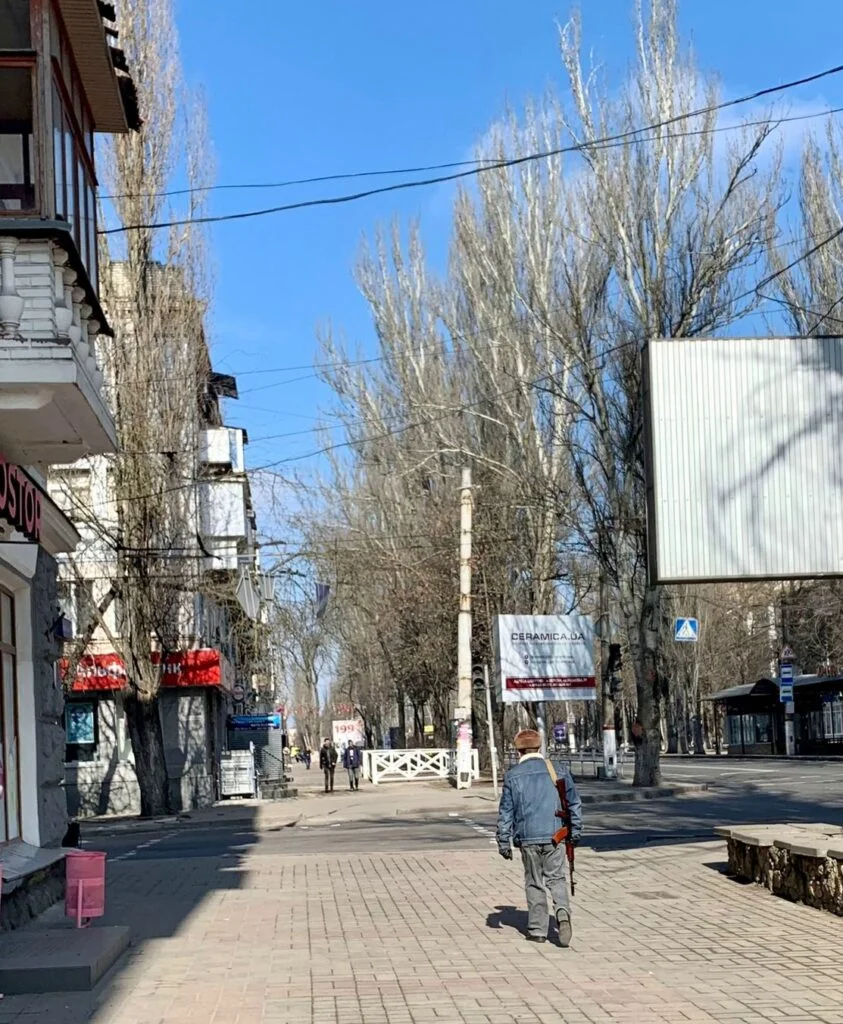
They brought you home in Kherson too, right?
Yes, they told me to surrender my weapon. To be frank — we did not surrender. The first time I lied, although I do not know how to lie and do not like it. Nevertheless I lied, said I had left the weapon because we were told to disperse. I didn’t say we had a command to go into partisan work. I might have left [Kherson] if it weren’t for that order. I understood there were risks of losing life or imprisonment. I told the Russians I had left the rifle in the boarding school. But then they brought a witness, and after his testimony my lie was exposed.
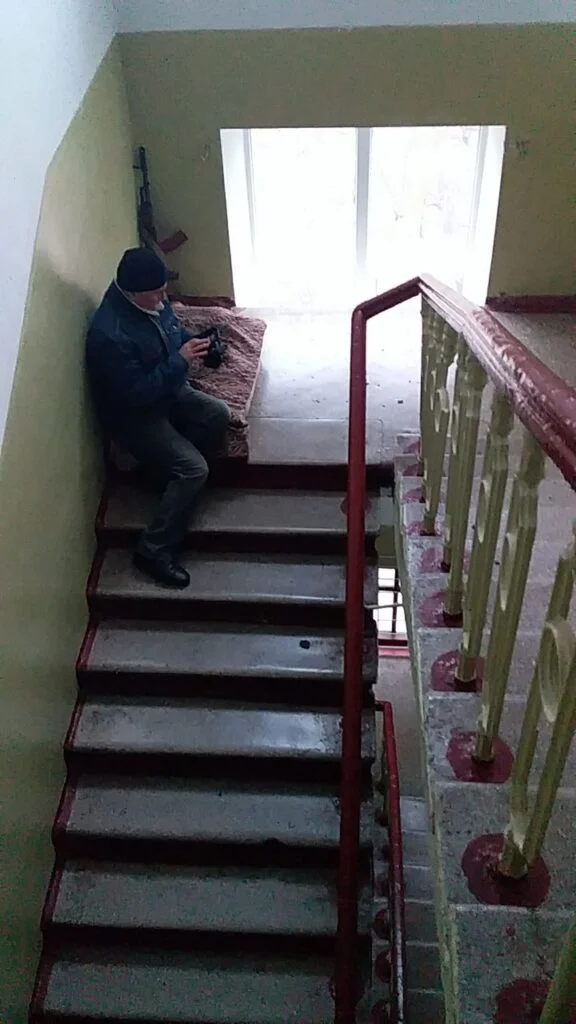
They knew how we moved, how we stopped the Vodokanal vehicle, how the Vodokanal vehicle, a work “gazelle,” took us to a safer place. The details were such that I understood they already knew everything.
Володимир Миколаєнко серед бійців Херсонської ТРО зранку 26 лютого 2022 року. Відео зроблене в будівлі збірного пункту на Паровозній. Автор: доброволець ТРО pic.twitter.com/KLBS60FB9L
— МОСТ ХЕРСОН (@most_ks_ua) August 28, 2025
Volodymyr Mykolayenko among Kherson Territorial Defense fighters on the morning of February 26, 2022. The video was made in the assembly point building on Parovozna. Author: Territorial Defense volunteer
So they said: “You lied to us, hand over the weapon.” Well then I handed it over. They found it where I used to feed the fish.
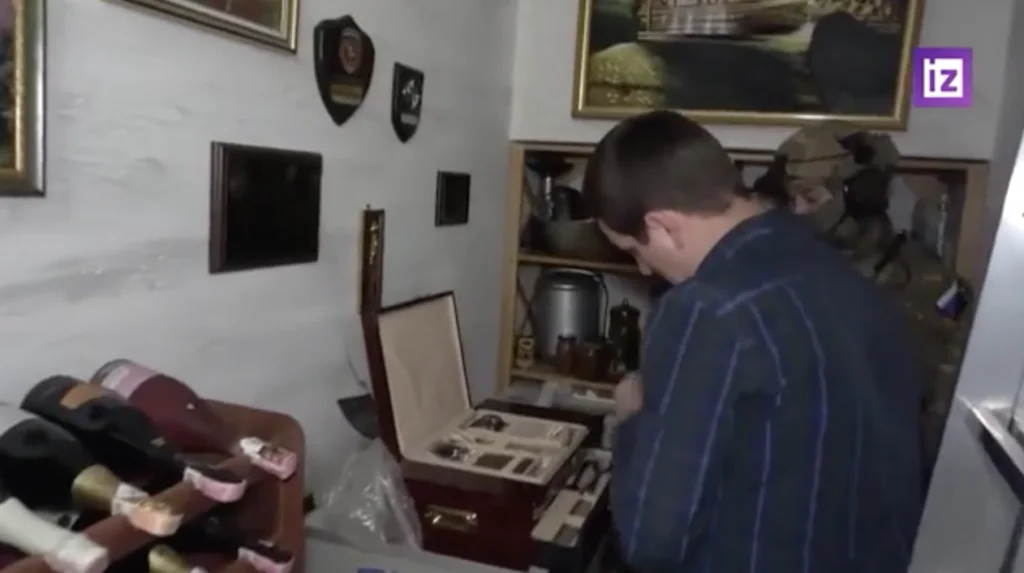
But they also said to show what was in my home. Vanechka went to film. Then they took the keys from that house and said they would live there. I had been collecting some alcohol collection there, my wife said there was nothing left. Many items disappeared. They probably liked them, they want to remember me.
Well, to be honest, I also remember that Vanechka. I think I will send him greetings in Moscow.
There is a story about him that one of their officials beat him on camera.
Well, then he has great prospects to continue this fine tradition.

Would you say that in the colony you were in complete information vacuum, right?
Practically from the first day of detention until August 24, 2023 we had no information about what was happening in Ukraine. They gave us propaganda materials; from them we learned that the “Nord Stream” was blown up. They also transferred people who later ended up in captivity. They told us that the Kakhovka HPP had been blown up. I was horrified because I understood how many people could have died if it had burst all the way down. And that Oleshky and Hola Prystan might have been affected.
The main task of the Russians was to get me to cooperate. Saldo was not yet governor, they told me “You can take this position.” And when they took me to Sevastopol, it was around 4-5 a.m., one of the FSB men came out and said: “Well, changed your mind? If you haven’t changed your mind, now you will go to Sevastopol, think it over in a month or two, recognize the new government, cooperate with us. And in a week or two we will smash your SSO forces.”
But it turned out not a month or two, and they didn’t smash the SSO.
When they tried to persuade you to cooperate did they say anything about power?
They said Kherson region was historically their place. At first there was no talk about Kherson at all. I said I’m 62, and such positions you can work in until 60. And they said: “Don’t be silly, join us.” I said: “If you need information on how to prepare the city for the heating season, I’m ready to show you problem areas, go ahead, replace the pipes. Because you took the city by force, but you also took responsibility for the city’s functioning. Want to open schools? Fine. There are problems there too. Prepare schools for the academic year.” I am proud of Kherson people who didn’t send children to study with Russian textbooks.
Did they say anything about Saldo?
Then there was a conversation. When they appointed him, they said there was a “governor”. I asked who. They gave a printout, and it said “Saldo”. I began to laugh, and they asked: “Why are you laughing?”. I said: “I know him, he offered to teach me bad things.” And they said: “He won’t get away.” And I said: “He’s tricked even worse people.” Then I saw Stryemousov appear with them. And then Kobeць appeared. They said: “You refused, we found a mayor. What can you tell us?” I said I had heard of him for the first time. Then I understood that Kolihaiev was either removed or left himself. It was the end of April. Somewhere before being sent to Sevastopol.
And then in Pakino one of them came to “talk” alone. The conversation was: “— Do you understand you are still in captivity? — No, I don’t understand, there are others here sitting just like me. And why should I get out earlier? — Haven’t you changed your mind? — No, we will stay. We will wait for the liberation of all Ukraine.”
He quietly told me then that Kherson is Ukrainian.
When you returned to the cell, did you tell the cellmates about this?
I came in and they asked: “Why are you so happy? Ate some candy or what?”. Because a detective would arrive in parallel and give each cell 5-6 candies. This was around late May-early June, we had not had sweets for more than a year. And we were sharing one candy among three. They also gave cigarettes, and the guys who smoke — they were trembling with happiness.
I said: “No, Kherson is Ukrainian.” Everyone rejoiced.
And tell us about the story when you gave up your place to another captive, although you were supposed to go home?
I corresponded with Denysova (Liudmyla Denysova, former Verkhovna Rada Commissioner for Human Rights until March 2022, — MOST) when I was in Kherson. I asked the Russians if I could write. They allowed it, saying that maybe they would give 20 of their guys for me. I said then, and again in Voronezh, that I was categorically against being exchanged for, say, 20 Russian soldiers. Because I knew I would not be able to look people in the eye later, the parents whose sons sit there, and for some jerk Mykolayenko they would give a bunch of Russian soldiers. Fedorov (former mayor of Melitopol, — MOST) they redeemed apparently for 11 soldiers. And he sat for 6 days. Yes, I understand it’s very hard. But I said I would not agree and do not provoke me into such measures.
Did Denysova respond?
No, they just took the information into account and that was it. All exchanges — everything is so secretive. We didn’t even understand whether someone was being exchanged or just taken to another floor or to another cell. Later the guys started to listen, some movement somewhere, you could hear people being dressed. But practically no one knew anything.
Before that did they talk to you that they would exchange you?
They said there would be exchanges. But locals in no way influence these things. Officials from Moscow influence that. Locals only follow orders — to gather people, prepare.
From the locals there were, however, proposals like “we will let you go, but you must perform certain actions in favor of their state.” But when they realized I would not do such actions, they left me alone with their proposals.
When did you realize you would be exchanged?
On the 20th (of August, — MOST) four of us were gathered in the so-called portal. We already knew that people were being taken from this cell for exchange. I didn’t sleep that night, waiting, maybe they would come at night. But on August 21 they again redistributed us to cells, took our military clothes off, put prison garb on us, and said that Ukraine did not want to see us, did not accept us.
There was a very active phase in May 2023 when they actively went around and said that Russia was ready to give everyone back, they had already made proposals three times, but Ukraine did not want to see you. And they began to selectively allow 2-3 people from a cell to call. They said: call your relatives, let them come out to protests. I then laughed and told my cellmates that probably they had nothing else working for them, they could not finish this war and they were not reacting to such provocations.
Did they offer you to call home?
No, they saw I didn’t submit and was inclined to resist. That I didn’t even react to those things. They give you a phone and tell you exactly what you must say. One step right — one step left and you will never be able to do anything. What you must say is: “They offer me, and Ukraine doesn’t want me.” And someone called and said: “Dear, Russia offers me three times, and Ukraine refuses.” And she on loudspeaker: “Screw them, don’t lie.”
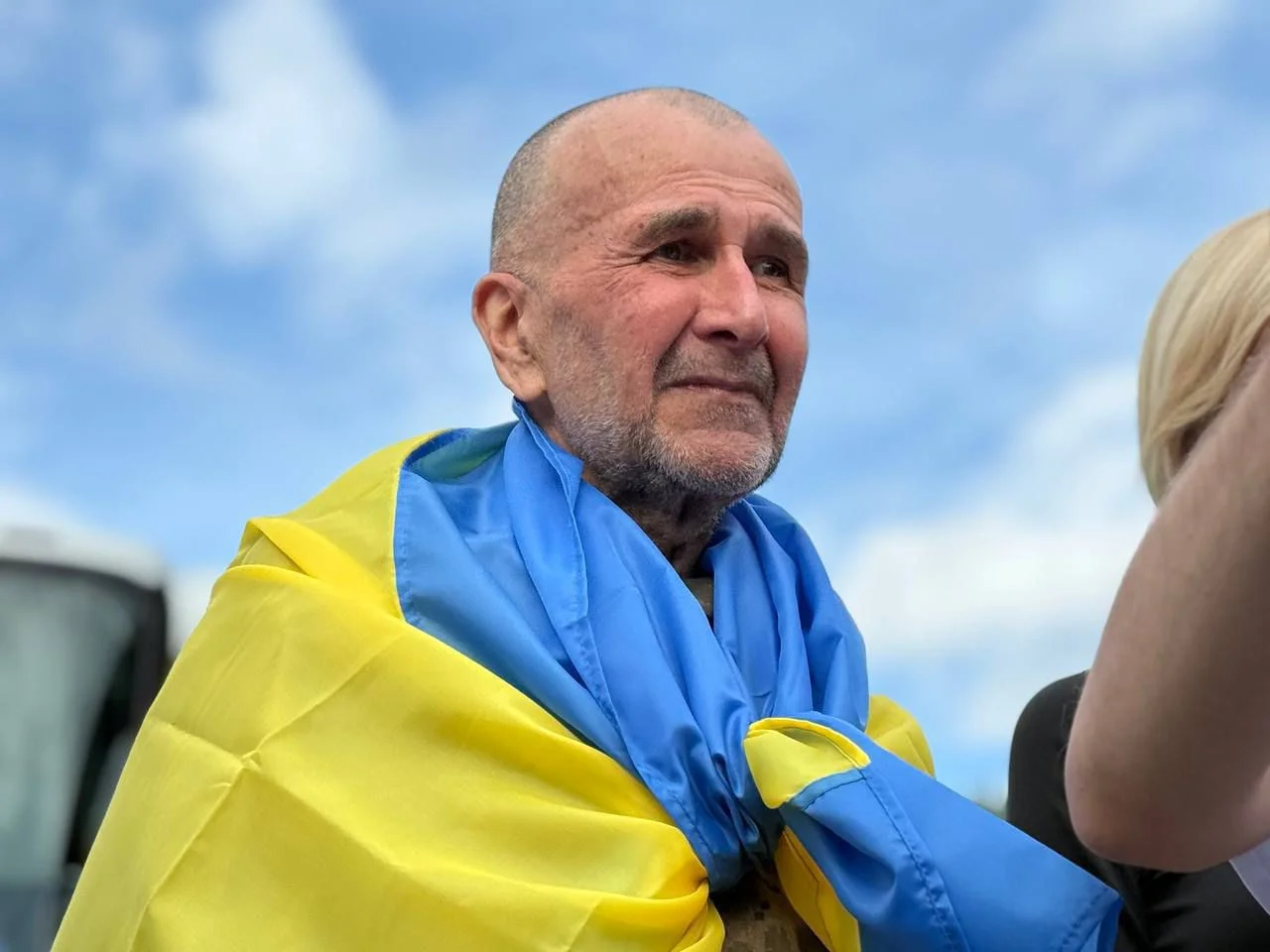
And on August 23 they again took us out of the cell, right by the cell they gave us clothing, rushed us into a car, but only two of us — me and Dmytro Khiliuk (UNIAN journalist whom the Russians kidnapped in March 2022 — MOST).
Was he not in the same cell with you?
No, he was in the third building. I met him already in that portal. We agreed that we would use our opportunities to pull out other guys. I already spoke with Vereshchuk (Iryna Vereshchuk, Deputy Head of the Office of the President of Ukraine, — MOST), agreed to consult on how we can help. The main thing is not to harm. Because you tell about beatings and they begin to beat even more. So I speak cautiously. But I will do everything possible to get them out. Because you get exchanged, and the same people remain there. And you sort of went out of turn. I have a sense of guilt about this — they remained there, and I am already here getting treatment.
It’s not your fault.
You can calm yourself as you like, but the discomfort remains. Especially when they began to free the young people. We counted by years. I roughly calculated that I would be released in about a year. I didn’t know if I would live another year there.