

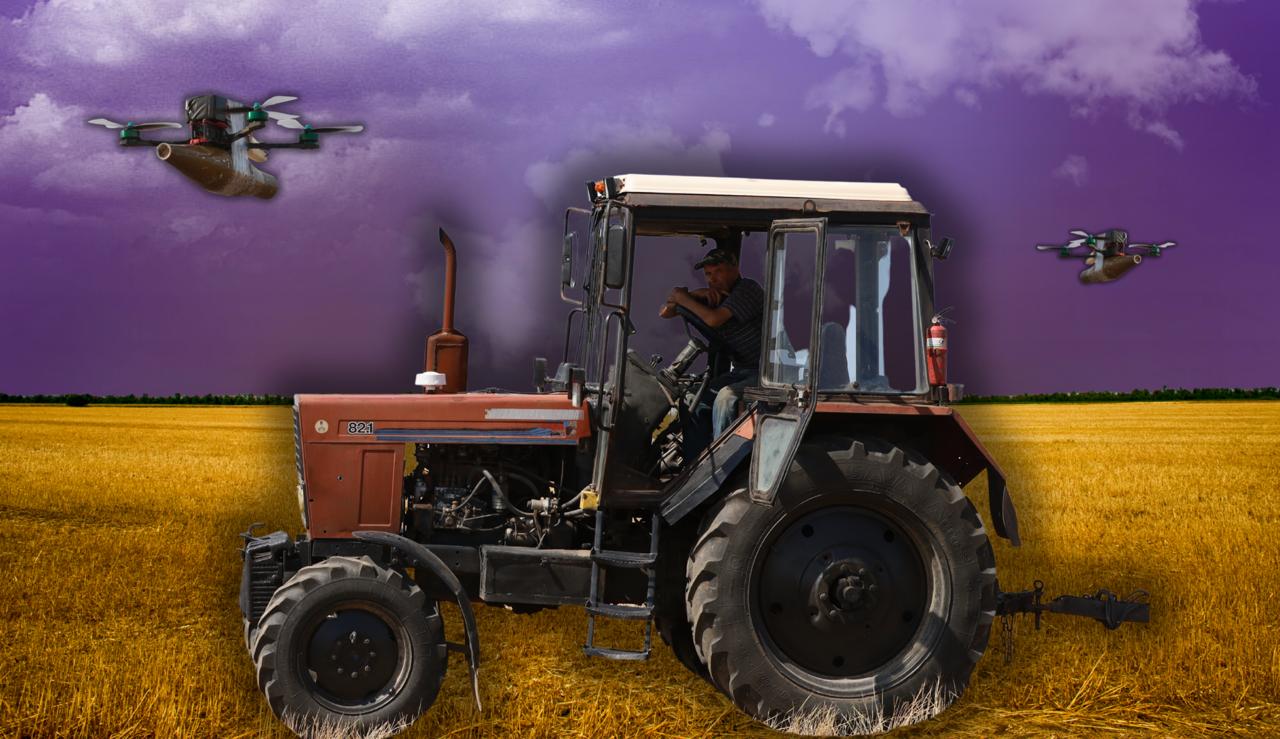
Recently we reported on an extremely difficult agricultural season in the Kherson region. Farmers of the de-occupied right bank faced new security challenges – the Russians began hunting them right during the harvest.
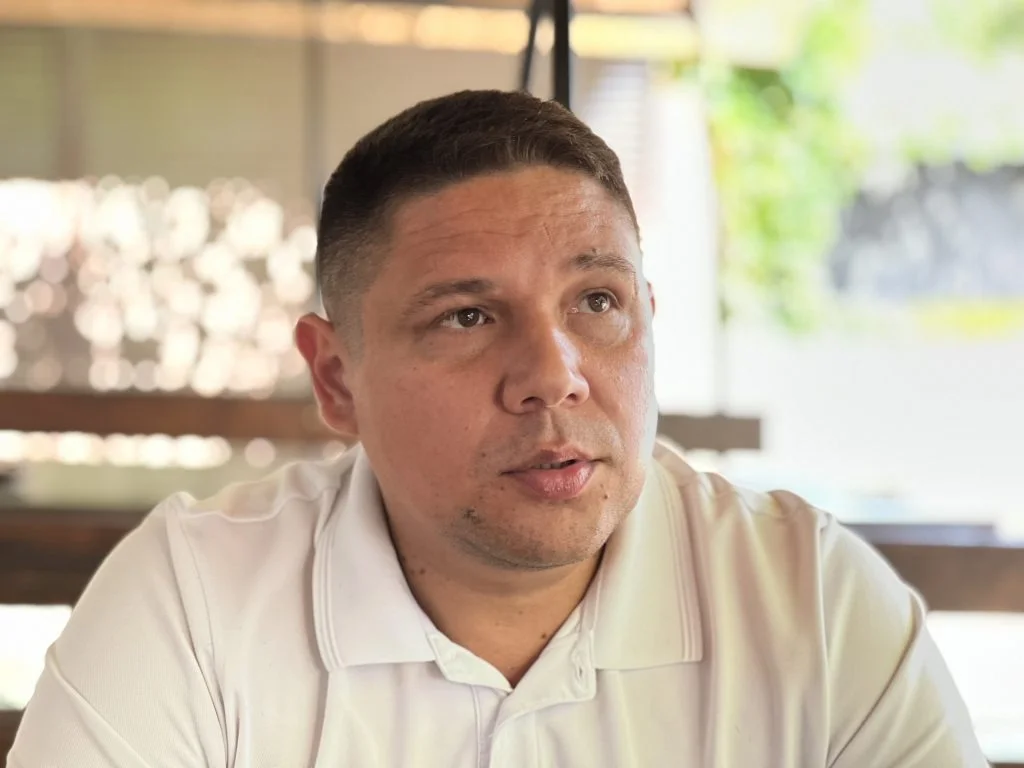
Climate conditions did not help a successful season either – droughts, spring frosts, the destroyed Kakhovka HPP. However, most Kherson farmers are trying to overcome these obstacles and preserve their businesses and the agricultural potential of the Kherson region. Who helps them with this – we speak with the director of the regional Department of Agricultural Development and Irrigation, Dmytro Yunusov.
“After the de-occupation of the right bank, Kherson farmers returned with great enthusiasm. What we saw – everything destroyed, looted, broken – at that time it seemed to us that it could not get any worse. But perhaps one should not say that, because no one then fully knew how difficult it would be further on,” says Dmytro Yunusov, noting that none of the farmers intend to abandon their business.
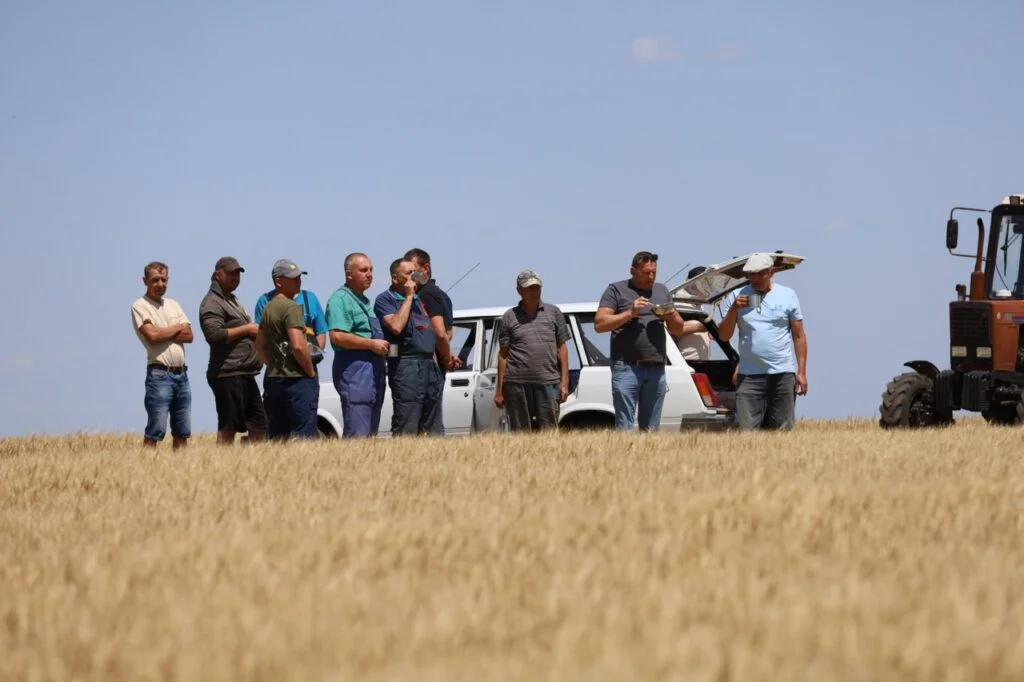
Farmers are adapting – not only to ongoing hostilities and harvesting under enemy drones, but also to new climatic and economic conditions.
To keep their businesses alive, they are reorienting to growing other types of crops. For example, they are abandoning the region’s traditional sunflowers in favor of flax. And many farms have switched to vegetables.
“It is not yet on a large scale, but 20–30 hectares were sown with various types of vegetables. And in some farms that did this for the first time, the results are very good. Mainly this is in the Bilozerka, Chornobaivka, and Muzykivka communities. This is also related to weather conditions, because cereals do not yield results like vegetables. You don’t need to sow half a thousand hectares to achieve such results,” Yunusov notes.
Growing vegetables became easier with the restoration of the Inhulets irrigation system last year. As a result – more than 50 kilometers of channels that had been drained for almost two years began to fill with water. This opened access for farmers to 3,000 hectares of irrigated land – many of them started irrigation machines that had not worked even before 2021.
Farmers are also actively developing drip irrigation. Although the procedure is quite costly. Here, he says, the USAID Agro fund played a large role, which ceased to exist at the beginning of the year. However, it was this organization that helped restore 500 hectares of drip irrigation by providing the necessary equipment. They also managed to purchase all the equipment to restore irrigation over 1,500 hectares of the Lymanets irrigation system – now the Department of Agricultural Development is waiting for safe conditions to implement this project.
“The cost of one cubic meter of water today is 6 hryvnias. Plus fuel to pump water from the channel – that’s another 3–4 hryvnias to the cost. Given the drought, more water was needed, because this is the key to a good harvest. Therefore, we are now working so that the compensation program for farmers for restoring irrigation, which currently amounts to 50%, becomes 80%. For 2026, 200 million UAH is planned for this program,” says Dmytro Yunusov.
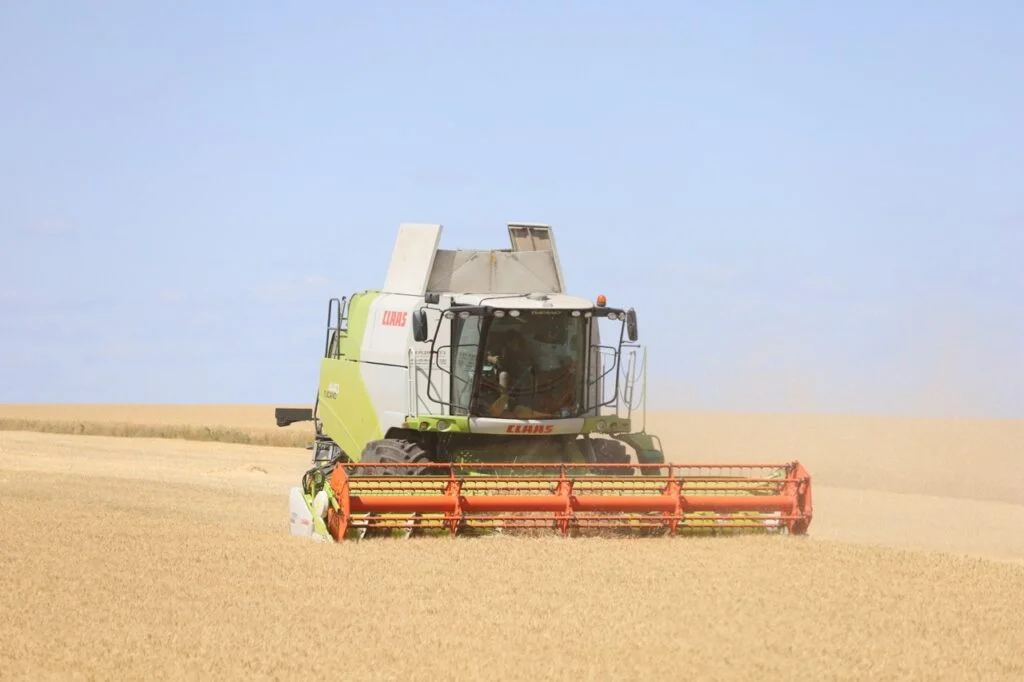
International funds also provide assistance to Kherson farmers. In particular, the charitable fund “Harvests of Victory” has been providing agricultural machinery free of charge since 2023. According to Yunusov, each year more than a hundred farms use this program.
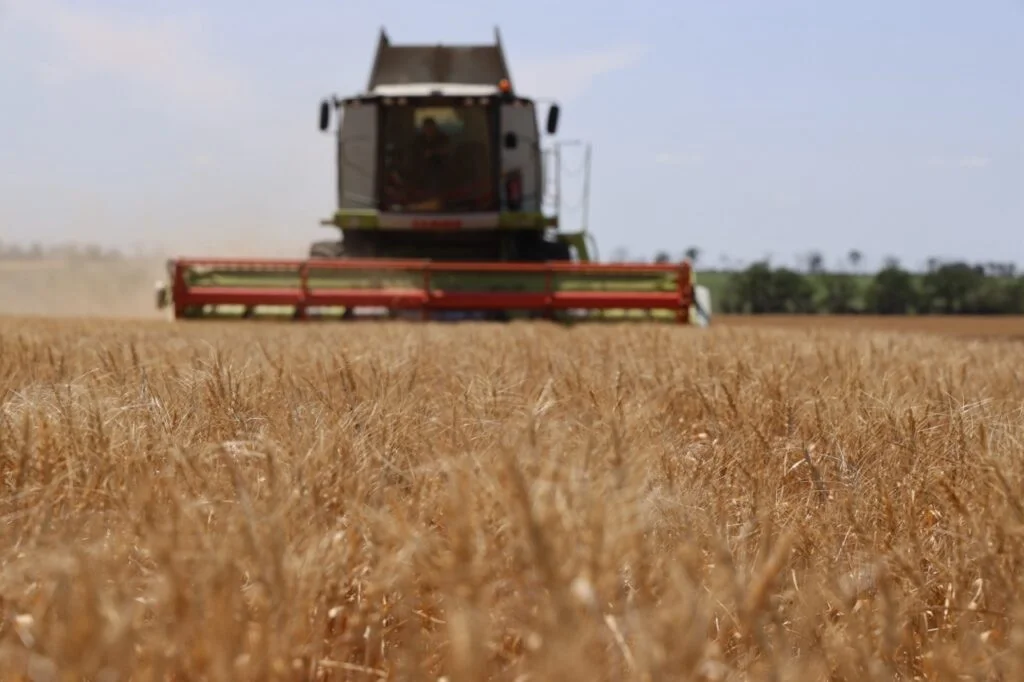
“Currently we have almost 15 combines working that harvest sunflower, more than 10 tractors with seeding complexes help sow the crop. Bulldozers are also provided to community bases. But farmers can also use them for field work, filling in bomb craters, etc. Given the shortage of agricultural machinery, this is colossal help.”
The “Harvests of Victory” fund, as well as the UN Food and Agriculture Organization (FAO), provided Kherson farmers with sleeves for grain storage. According to Yunusov, more than a thousand of them were distributed this year. In addition, FAO provided equipment for loading the sleeves – mostly farmers buy that equipment themselves.
“Support to agriculture is also provided by the international humanitarian organization Mercy Corps, with the assistance of the Howard G. Buffett Foundation,” Yunusov says. “This includes financial assistance for the purchase of agricultural machinery, repair of warehouses and hangars. We are now already working on the first grants for irrigation restoration – 75,000 dollars for medium farms, 150,000 dollars for large ones, and up to 5,000 dollars for small ones. During the year our farmers were financed by this fund with such grants totaling 132 million hryvnias; 28 farms received them, and the fund provided small grants totaling 18.5 million UAH. There is some co-financing, but this is very effective assistance. We plan that this program will start operating from the new budget year as well.”
He says the authorities are reorienting international organizations toward other types of assistance to local farmers.
“If earlier food and some basic necessities were a priority, now we are working more so that international organizations provide assistance as means for livelihood and income generation. For example, together with the Red Cross we distributed more than 300 greenhouses across the Chornobaivka and Bilozerka communities. People use them to grow vegetables both for themselves and for sale. Many water tanks and irrigation systems were also distributed. This amounts to thousands of households. Also seeds, agricultural tools and other small financial grants so people could buy chicks, ducklings, someone repaired barns, pens, etc.”
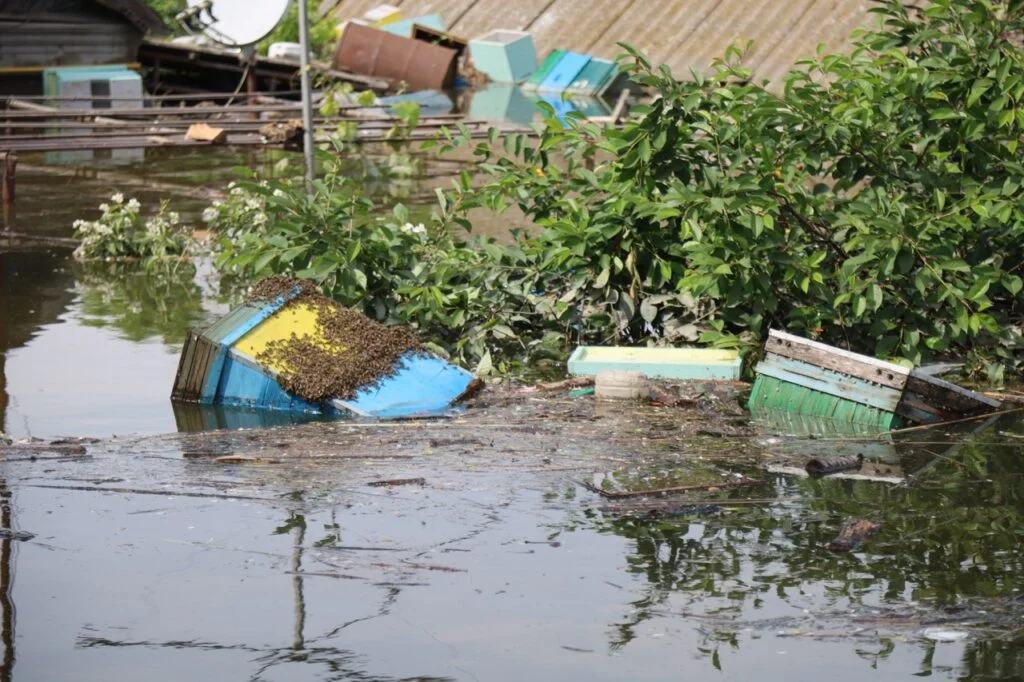
In 2025, a project to support beekeepers was launched in the region for the first time. These people were left without attention after the de-occupation of the right bank. However, there are more than 400 beekeepers operating in the region, each with their own needs.
“At first we appealed to the Ministry of Agrarian Policy to restore the state program to support beekeepers. Due to lack of funds, we were refused, so we began to work with international organizations. DanChurchAid and Norwegian Church Aid (DCA/NCA) responded. It provides financial assistance proportionate to the number of bee colonies on a farm – from 250 to 800 dollars – for the purchase of hives, frames and other equipment, purchase of bee packages, pest control products, feeders, containers for honey, etc. One third of beekeepers have already received these funds.”
Last year the state launched a financial support program for small farms — up to 120 hectares. They could receive 8,000 UAH per hectare. Thus more than 200 farmers received almost 60 million UAH. There was also a support program for farms regardless of land area – 1–2 thousand per hectare. 188 farms received 106.5 million UAH.
“This program was relaunched in September. We are now checking the documents. This year the state must finance assistance of a thousand hryvnias per hectare of sown area, regardless of where the land is located. 462 farms have already applied for this program – the requested amount of assistance is about 150 million UAH.”
Owners of large and small cattle also receive assistance – in 2025, 2.5 million UAH in subsidies were paid.
Under the compensation program for the purchase of domestic equipment, farmers were compensated 3.1 million UAH for purchased domestic machinery. However, according to Yunusov, this year this program was excluded in areas of active hostilities, and 5 agricultural producers could not receive compensation. The regional administration is now working to have it reinstated.
“Under the state program ‘5-7-9’ 28 agricultural producers in the region attracted more than 208.7 million UAH in preferential loans,” the official continues. “However, there are many problems here – most property is not insured against military risks in Kherson region, banks do not see profit in farmers and due to risks are slow to issue these loans. We are working to ease the conditions for obtaining these loans and simplify the terms.”
State and international support programs do not allow Kherson farmers to give up. They are now sowing winter crops for the 2026 harvest and preparing for another difficult agricultural season – with new security challenges, under drones and KABs, in conditions where it is impossible to plan or predict the results of painstaking work. Yet still – at home.