

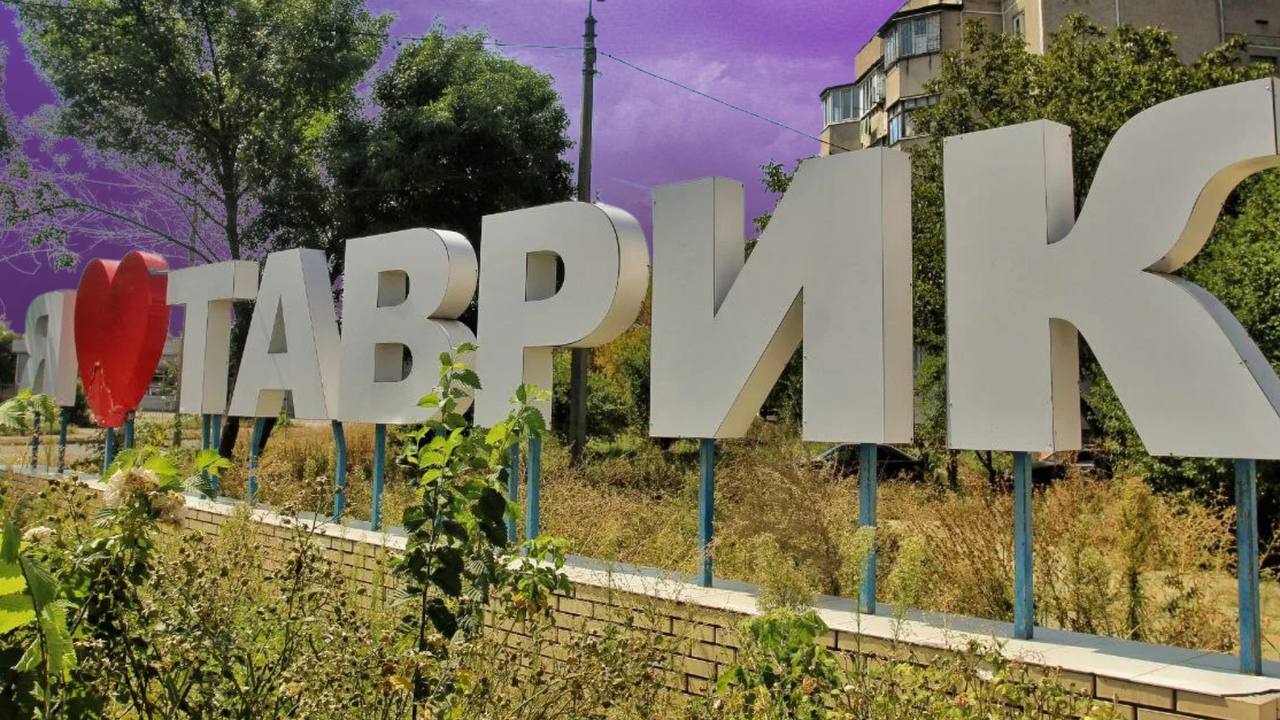
The Tavriyskyi neighborhood, which Kherson residents themselves are used to calling simply Tavrik, has now become one of the most populous districts of Kherson. Because of the constant shelling of the coastal neighborhoods, many townspeople moved here looking for a somewhat safer place. As a result, the district, which was densely populated even before the war, now sometimes resembles a small metropolis.
But if you just turn from the main streets into the courtyards of the fourth Tavriyskyi, the feeling of a big city disappears. Wandering between the buildings, you can hear only occasional voices and the distant sounds of explosions coming from other districts.
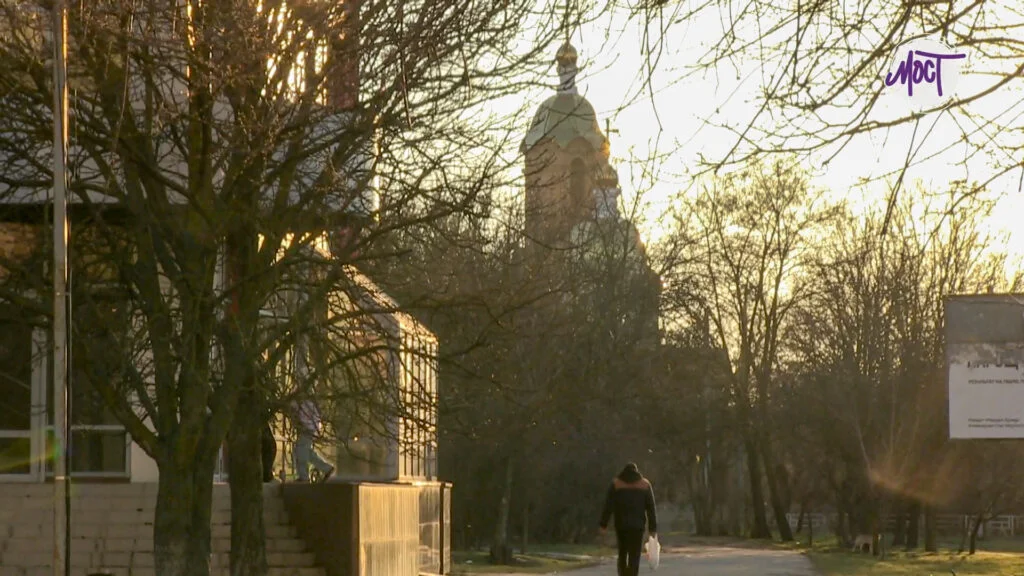
Despite the sunny weather, there are almost no people on the street. Mr. Vasyl is sitting on one of the benches. He moved to Kherson with his wife from the region. He says he had to sell his house because he no longer had the strength to maintain the household. Now his only pastime is a walk to the shop and back.
The man says that staying in a front-line city is rather a forced decision for him.
“And where can you go from your native land? They shoot everywhere — in Odesa and in Kyiv. Young people can gather and leave, but it’s already difficult for us. We won’t even get into a minibus — you have to climb up the steps,” he says.
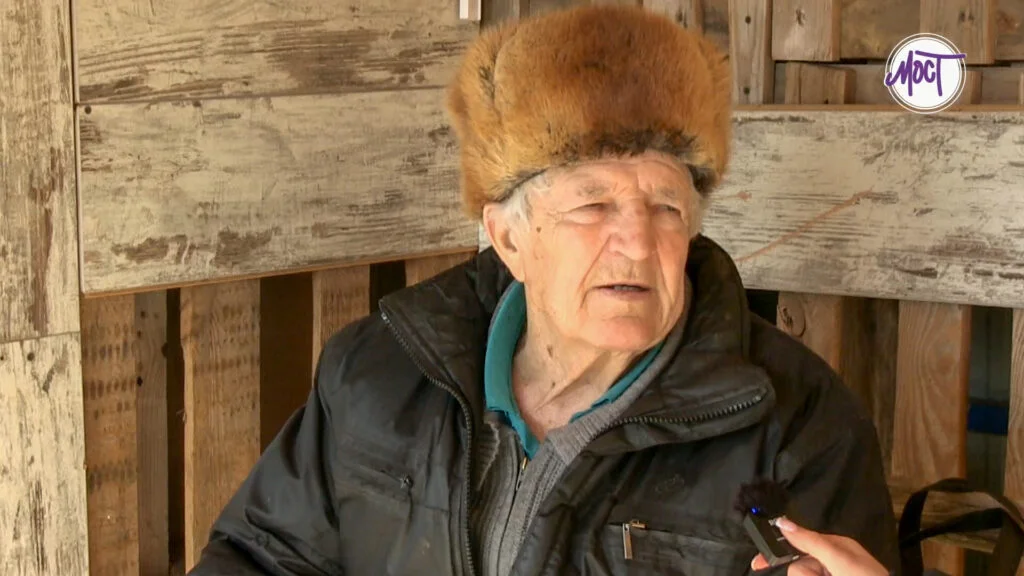
Mr. Vasyl moves with a cane. His wife hardly leaves the house, so short walks to the store are almost the only opportunity for him to change the scenery.
“I just went out to get some water to wash down my medicine. And we hear explosions even at home. There are also bursts of automatic gunfire. I don’t know exactly where they are shooting, but the sound reaches us. It’s okay, we’ll get through it,” the man says.
Closer to evening, neighbors begin to appear near the entrances. People go out for a few minutes to talk or simply sit on the benches.
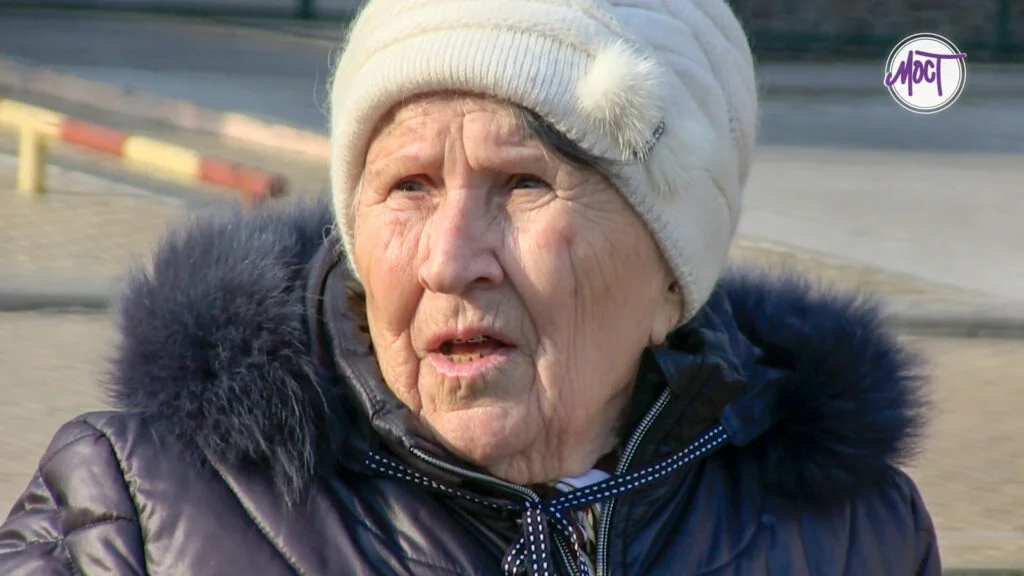
Ms. Anna says that there are significantly fewer residents in the neighborhood. Like Vasyl, she moved here from another place — from the Beryslav district. She settled with her children to be closer to doctors.
The woman speaks about the situation in Tavriyskyi without embellishment.
“You can’t call it quiet here. Not like in the Korabelnyi district, but explosions happen in the morning, during the day, and at night,” she says.
According to her, there are significantly fewer people on the streets. Many go out only for a short time and try to return home quickly.
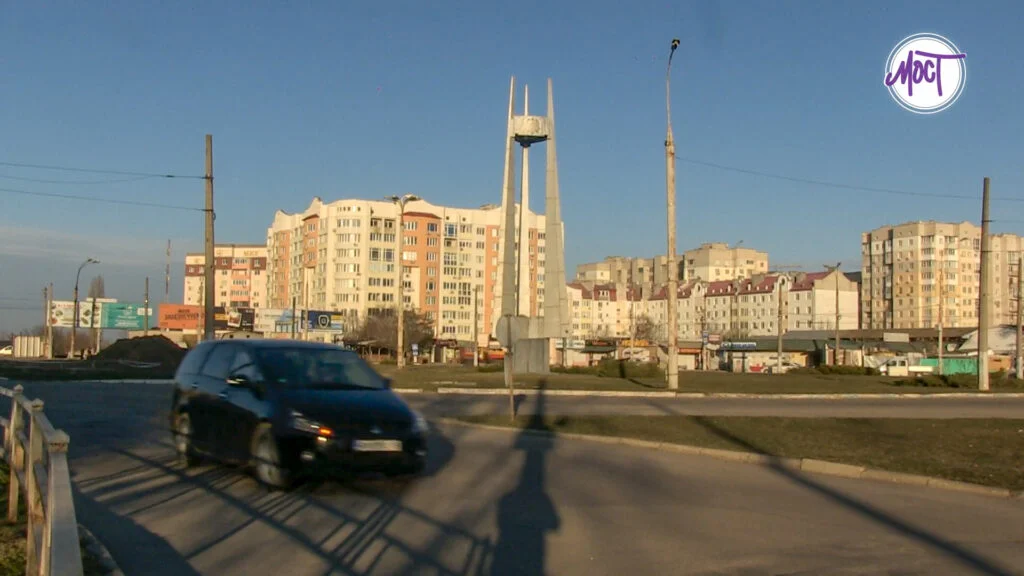
“People are almost invisible. Maybe they are in their apartments, but in the evening they turn off the lights quickly because they are afraid,” the woman adds.
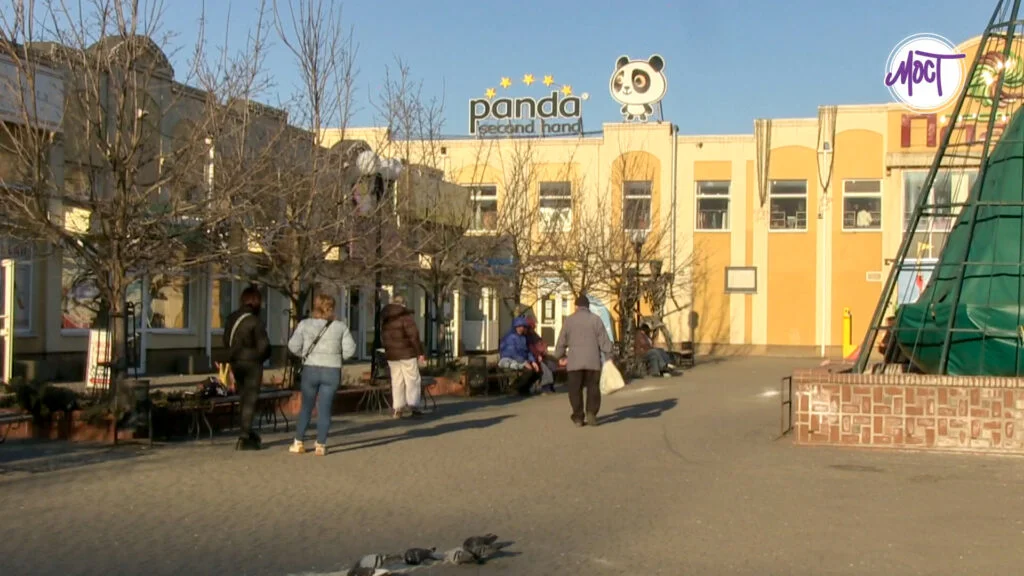
However, closer to the second and third Tavriyskyi districts the atmosphere changes. Just a kilometer from the quiet courtyards life looks much more active. Cafes operate near one of the shopping centers, and you can even hear live music nearby.
The guitarist who plays outdoors introduces himself as a freelance artist. Volodymyr has been performing on the streets for more than thirty years. He once played in the city center, on Suvorova Street and Ushakov Avenue. Now it’s almost empty there, so the musician moved to the residential districts.
“I’ve become a music addict. If I don’t play for a long time, I feel that something is wrong,” he smiles.
According to Volodymyr, in a front-line city music becomes a kind of relief for people. Even despite the war and constant explosions, he says, people want at least a little pleasant emotion, and live music sometimes helps to distract from the anxious reality.
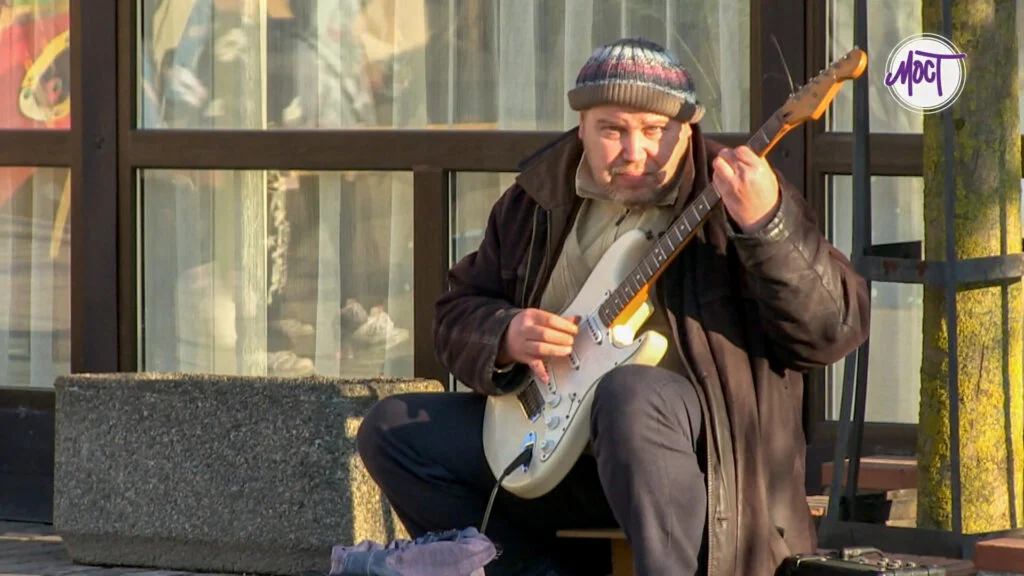
During the conversation the man recalls lines from Kipling’s poetry translated by Vasyl Stus, about the ability to maintain the same iron calm even in the toughest times. These words seem to describe the mood of the city very accurately.
While the guitar plays, children play nearby on the playground, and teenagers gather in groups on the benches. There are almost no entertainments left in the city.
One of the girls says that what they miss most are places to relax.
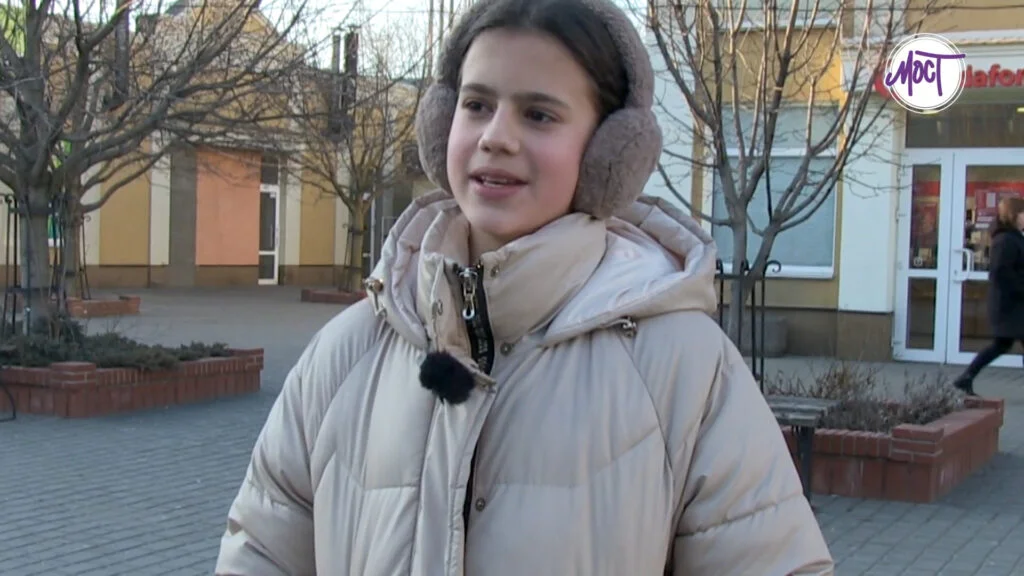
“There are very few entertainments. We’d like parks, trampolines, some attractions. There used to be places where you could climb and play. Now we really miss that,” she says.
Despite the difficult situation, life in the district is supported by local entrepreneurs. Shops and small establishments continue to operate so that residents have everything they need.
In one of the bakeries they say that Tavriyskyi is now considered a relatively calm district of the city. At the same time, a staff member notes that despite this, the war still reminds itself with the sounds of explosions. According to her, most visitors come in the first half of the day, while in the evening the streets quickly empty.
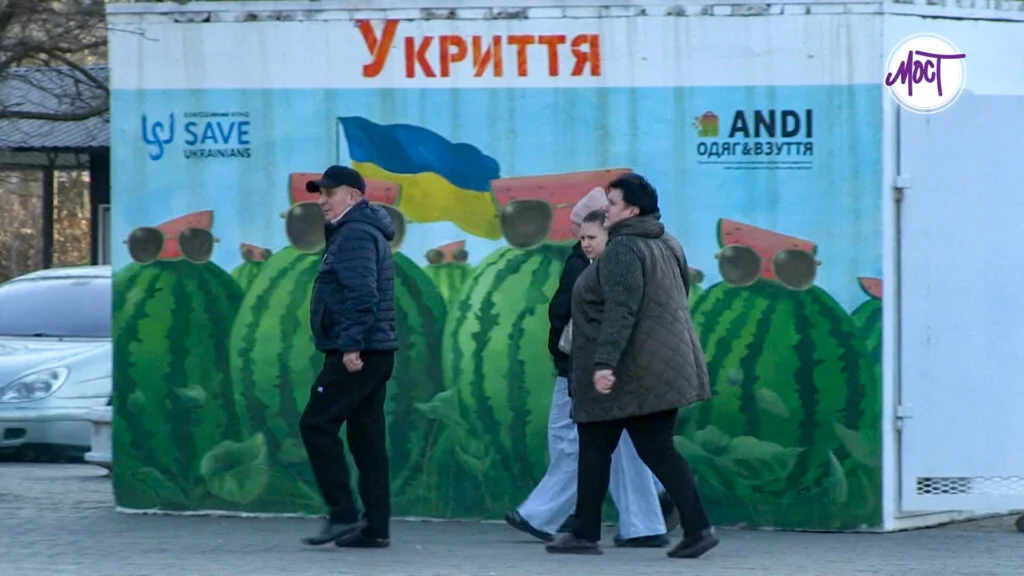
“It’s a bit quieter here than at other bakeries. In this district it’s more or less calm, but the realities of our city are such that sometimes it’s still very loud. People usually come in the morning and until about three or four. And after five there is almost no one on the streets anymore,” the saleswoman says.
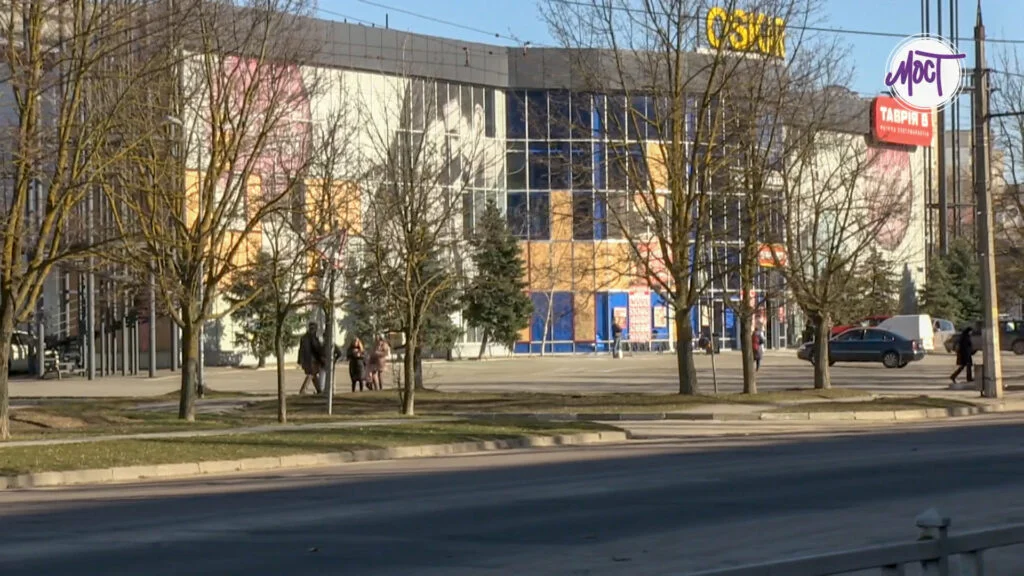
However, the sense of security in Tavriyskyi is quite relative. From time to time explosions are heard, and you can see traces of impacts in the courtyards. So even in a district that seems relatively calm, the war constantly reminds itself. And between the quiet yards and the sounds of explosions, the ordinary life of Kherson’s Tavrik continues.