
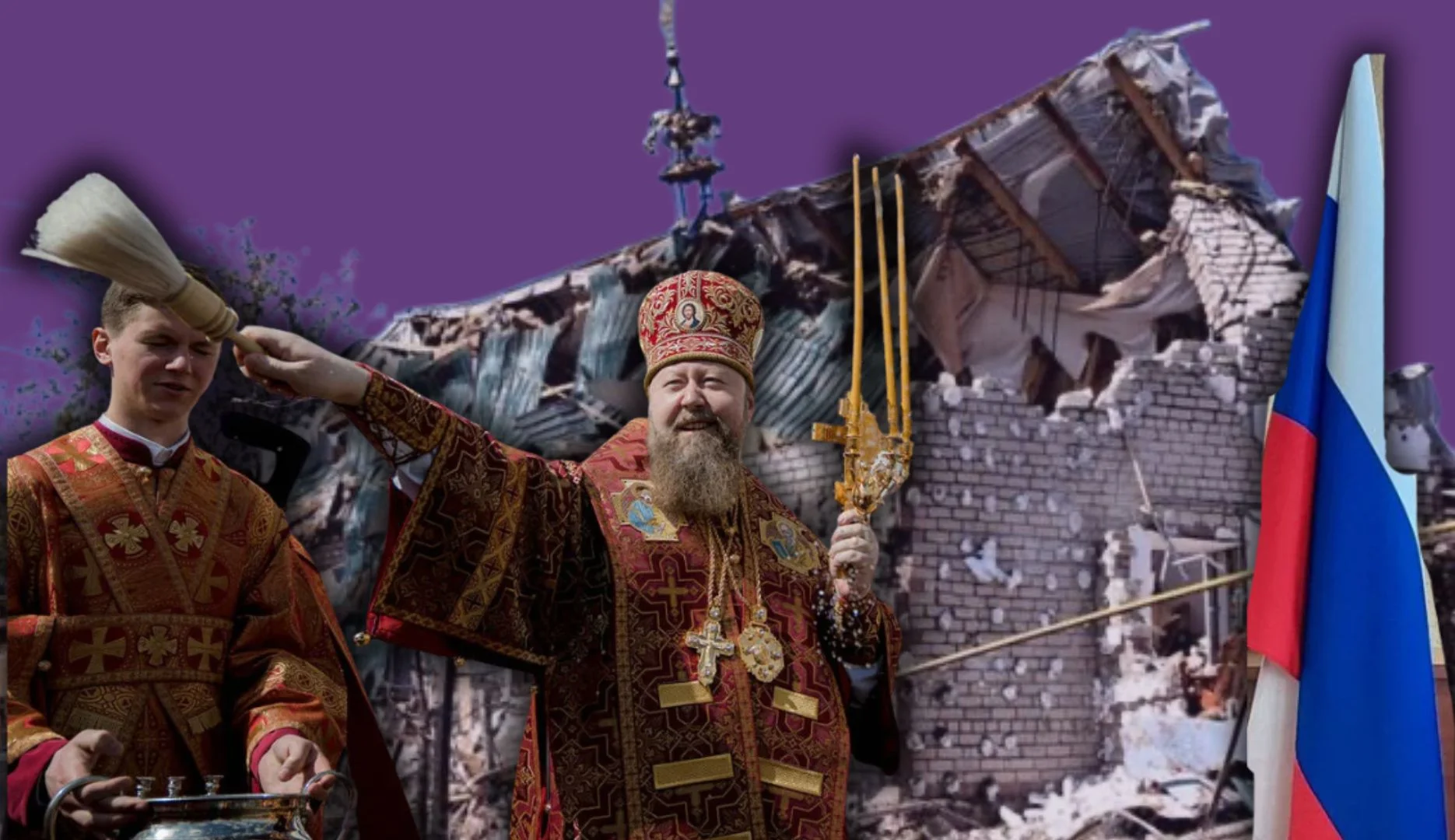
After the establishment of the Russian occupation regime in the left-bank part of Kherson Oblast, the religious sphere underwent a radical transformation that is systemic and purposeful. The scale of these changes allows one to speak not of a natural reduction in religious activity under conditions of war, but of the deliberate formation of a new confessional landscape subordinated to the political and ideological tasks of the Kremlin.
Before the full-scale aggression, Kherson region had perhaps the highest level of confessional pluralism. As of January 1, 2021, 990 religious organizations representing 38 faith directions were operating in the region.
The structure of this religious space was multilayered. The largest religious organizations included:
- Ukrainian Orthodox Church (Moscow Patriarchate) – 371 communities;
- Orthodox Church of Ukraine (Ecumenical Patriarchate of Constantinople) – 150 communities;
- All-Ukrainian Union of Evangelical Christian Baptists – 87 communities;
- Spiritual Administration of Muslims of Ukraine – 70 communities;
- Association of Independent Charismatic Christian Churches of Ukraine (Full Gospel) – 52 communities;
- Ukrainian Church of Christians of the Evangelical Faith – 46 communities;
- Ukrainian Greek Catholic Church – 31 communities.
Thus, the region was characterized by a branched, competitive and open confessional ecosystem.
The occupation of the region led to the almost complete dismantling of this model. As of January 31, 2026, only 175 religious organizations had been registered under Russian legislation in the occupied part of Kherson region, i.e., less than 18% of the pre-war figure. At the same time, the confessional spectrum has sharply narrowed: instead of 38 faith directions, only three confessions remained legally represented.
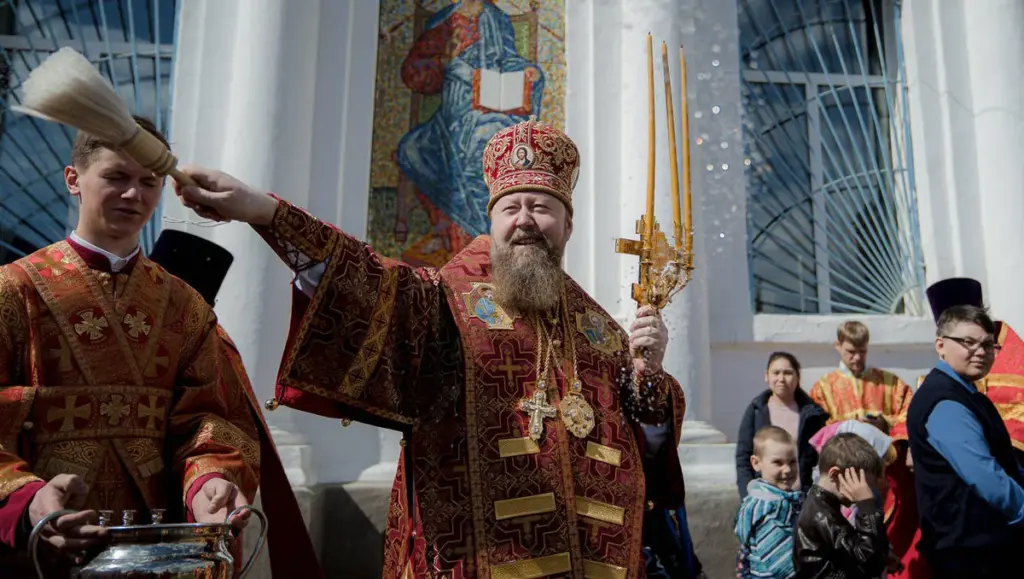
Quantitative analysis of the structure of these 173 organizations demonstrates a clear monopolization of the religious space. 148 communities, or 86%, belong to the Russian Orthodox Church, namely: 74 communities are part of the Novokakhovska Eparchy, and the other 74 to the “Skadovska Eparchy”
Notably, the Russian Orthodox Church ignored the canonical right of the UOC to autonomy. On December 27, 2023, based on the parishes of the Kherson Eparchy of the UOC in the occupied territory of Kherson Oblast, the Synod of the Russian Orthodox Church created the “Skadovska Eparchy of the ROC”, appointing to govern the eparchy its cleric with the title “Bishop of Skadovsk and Oleshky,” Filaret (Gavryn). The UOC responded with a weak statement that it had made no decisions regarding changes in the structure of the Kherson Eparchy, failing to mention either the ROC or the “Skadovska Eparchy.”
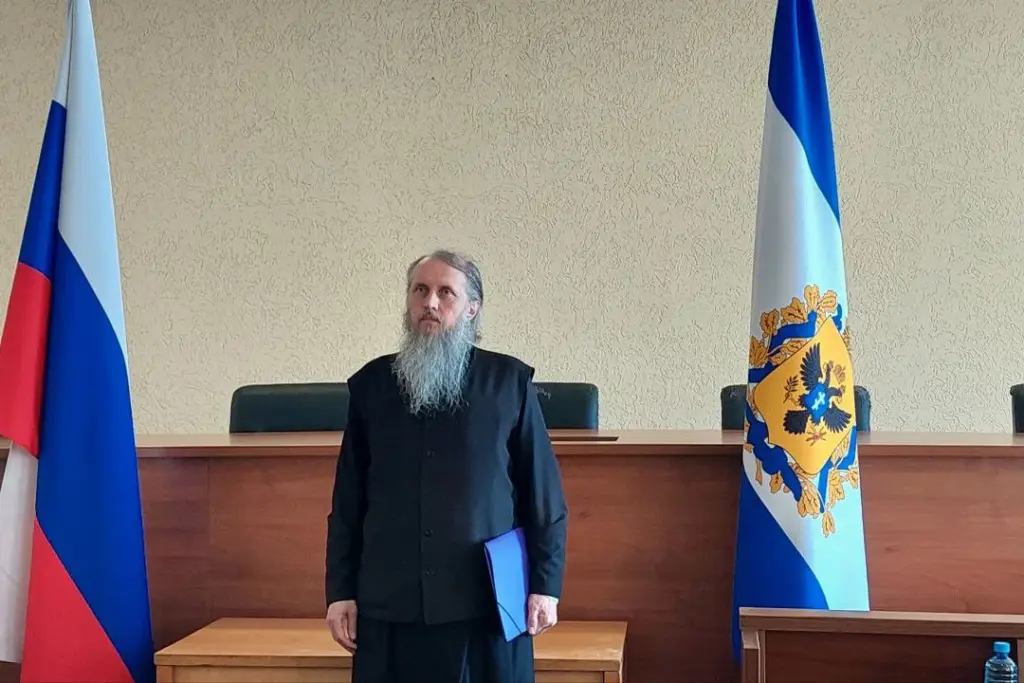
In addition, Metropolitan Filaret (Zverev), the administrator of the Novokakhovska Eparchy of the UOC, having received a Russian passport, re-registered his parishes under Russian law as the “Novokakhovska Eparchy of the Russian Orthodox Church (Moscow Patriarchate)”, although in November 2025 the UOC continued to assert that Metropolitan Filaret (Zverev) was their hierarch.
Evangelical Christian Baptists are also present in the occupied part of Kherson Oblast, represented by 21 communities (21%) and concentrated mainly in the villages of Shyroke, Volodymyrivka, the settlement of Lazurne, as well as in the cities of Hola Prystan and Skadovsk. Another 4 communities (2%) are Christians of the Evangelical Faith (Pentecostals), localized in the city of Henichesk and the settlements of Myrne and Kalanchak.
In October 2025, the only Muslim community “Iman (Faith)” was registered in the settlement of Novooleksiivka, which is an important step towards the creation of a muftiate for Kherson Oblast. At least three officially registered communities are required for this.
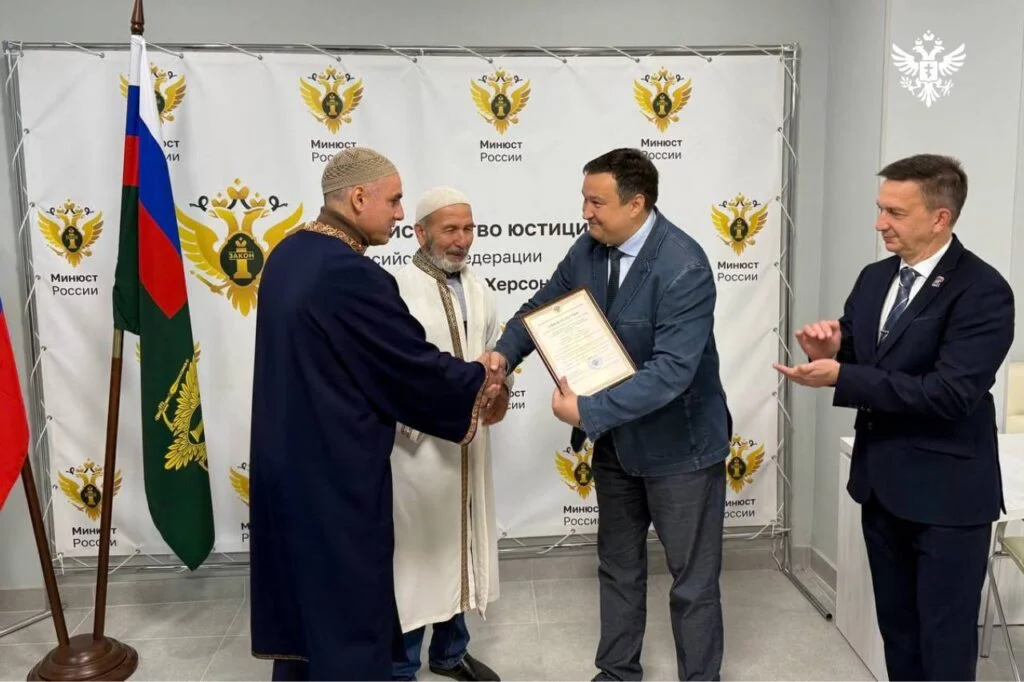
Notably, the issue of creating the muftiate is overseen by the deputy of the illegal Kherson Regional Duma Rustem Nimetullaiev, the son of the former head of the Henichesk district state administration and now the leader of a public association of Crimean Tatars in Crimea loyal to the Russian occupation regime Seytumer Nimetullaiev. We assume that such activity is related to the Nimetullaiev family’s desire to consolidate their regional leadership and influence in the Muslim religious world of the Russian Federation and abroad, by analogy with Ramzan Kadyrov.
Thus, even within the “religious minimum” allowed by the occupation authorities, there is a sharp hierarchy, where the dominance of Russian Orthodoxy has not only numerical but also political-ideological character. Other confessions play rather peripheral, statistically marginal roles.
Particularly telling is the complete disappearance of Ukrainian national churches (the Orthodox Church of Ukraine (OCU) and the Ukrainian Greek Catholic Church (UGCC)) from the legal field. The occupation authorities decided to transfer their movable and immovable property and land plots to the disposal of local administrations, terminate lease agreements for premises and refuse any registration, or representatives of the ROC independently seized church property, such as the Church of the Archangel Michael of the UGCC in the village of Oleksandrivka of the Skadovsk community.
Clergy who held church positions in these parishes were denied the right to serve in their churches and to register any public organizations, which in practice meant the institutional elimination of their presence. A significant part of the clergy had to leave the occupied territory. We assume that some priests went underground in order not to abandon their parishioners.
There are known cases of murders (OCU cleric Artem Yakymenko from Kherson, the rector of the OCU church in Kalanchak Stepan Podolchak) and persecution of clergymen (the rector of the OCU church in Dobropillia of the Dolmativka community Platon Daneshchuk), the destruction of parishes (the “Jehovah’s Witnesses” community in the village of Novosofiivka of the Lazurne community). Notably, priests of the Ukrainian Orthodox Church (Moscow Patriarchate) who were suspected of disloyalty were also persecuted by the Russian occupation authorities.
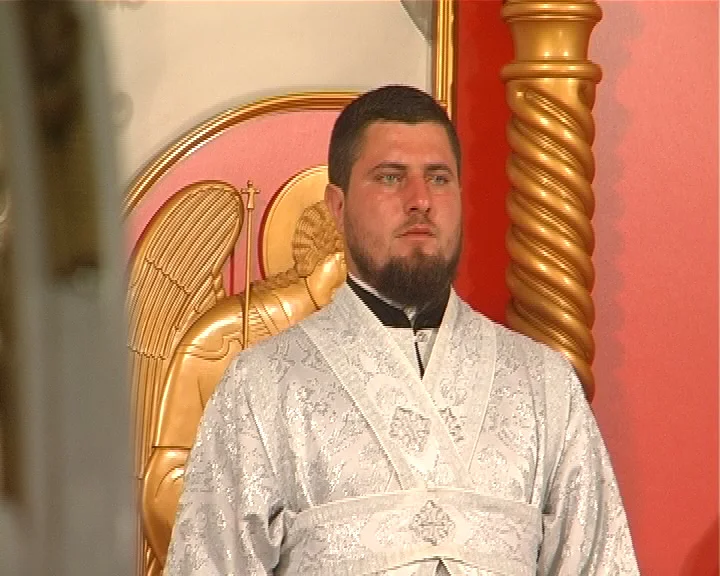
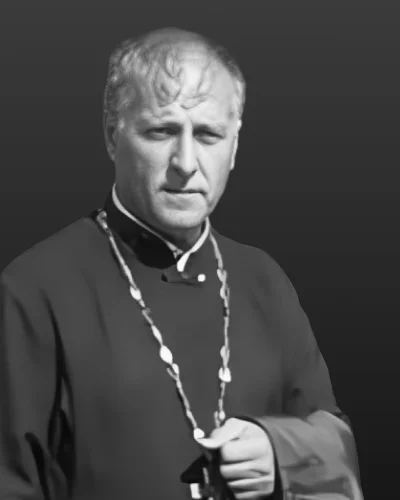
Collectively, these facts indicate the formation of a new confessional order in the occupied territory of Kherson Oblast – monopolar and tightly controlled. The religious sphere is being integrated into the system of occupation governance, where the Russian Orthodox Church performs the function of a key institutional partner of the authorities, and other confessions are allowed only in a limited, controlled format. Such a transformation has all the hallmarks of systemic religious intolerance and is part of a broader policy of ideological control and social engineering in the temporarily occupied territories.