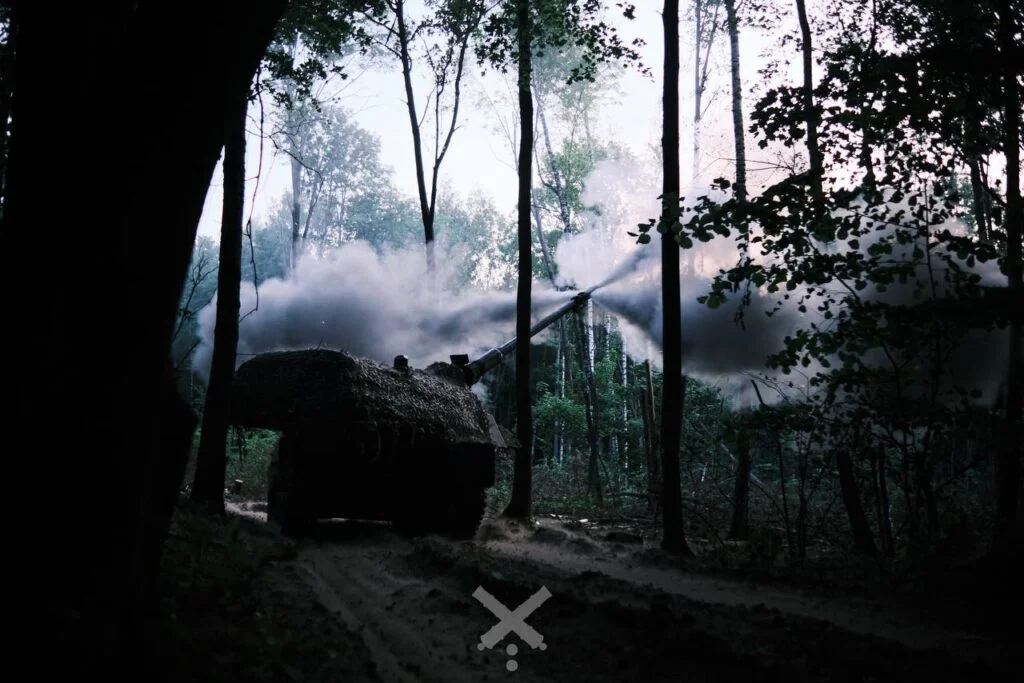
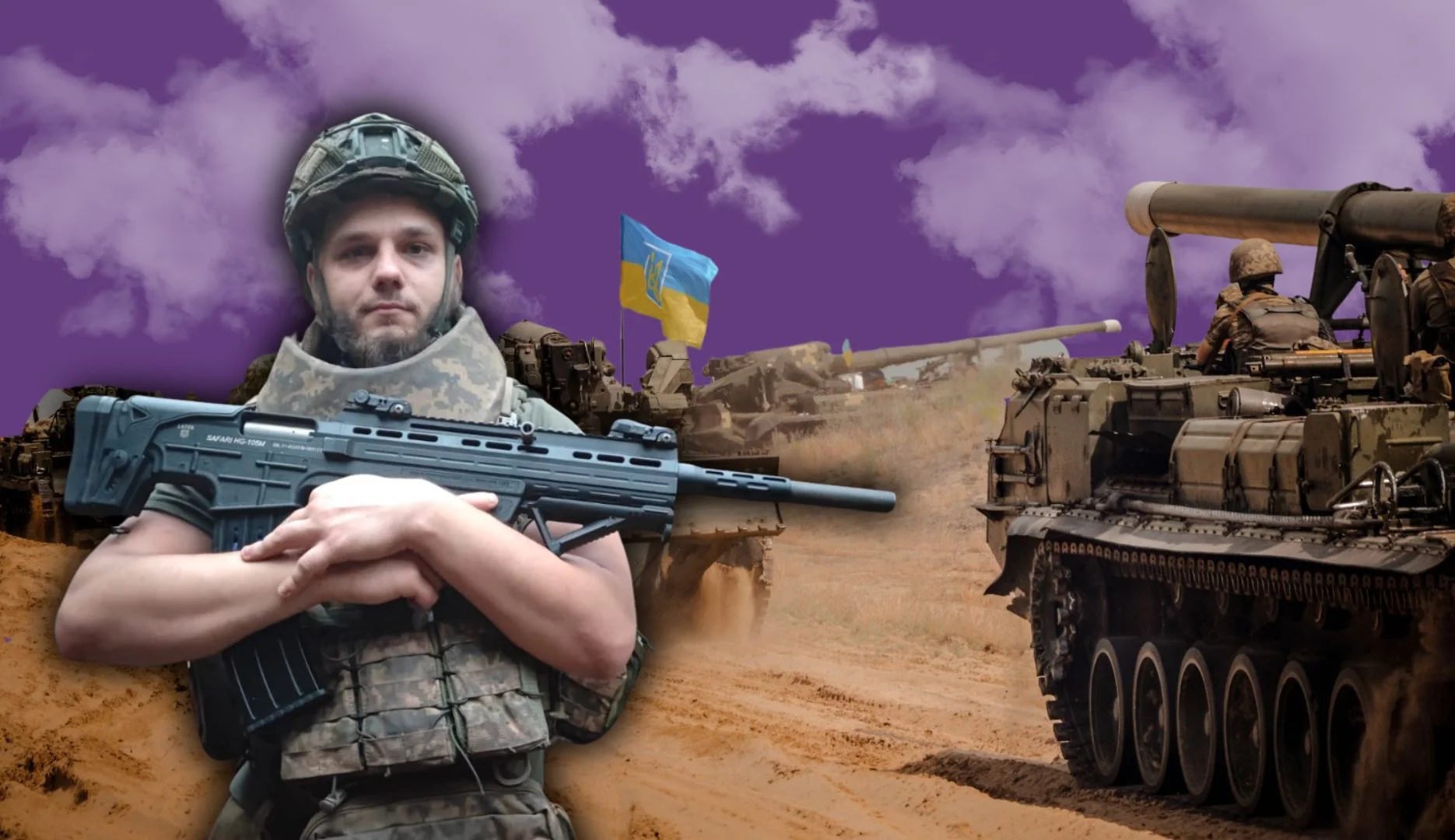
“I didn’t even think about what I would like to do after the war,” says Vitalii Hutorov with the call sign “Hutor”, a serviceman of the 43rd Separate Artillery Brigade named after Hetman Taras Tryasylo.
He is now 25, he has been in the military since he was 18. At first he went on conscript service, and after a year he signed a contract with the Armed Forces of Ukraine. At 18 he was motivated by the desire to be independent from his parents; now — to defend the country and to return his native Nova Kakhovka.
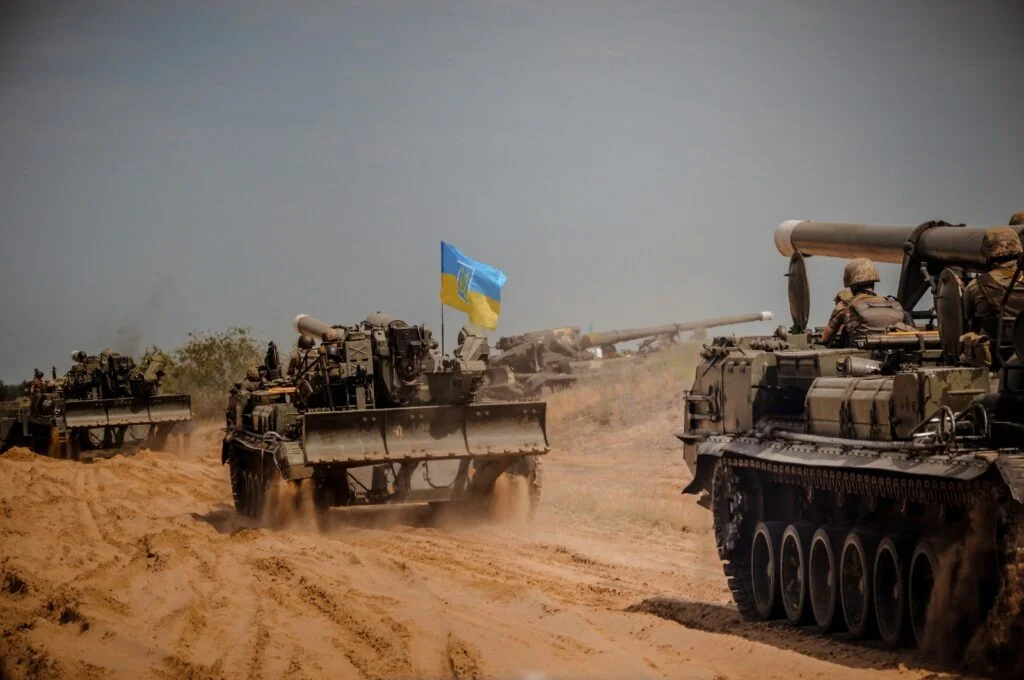
Vitalii has served in the Armed Forces for virtually his entire conscious adult life. He says that compared to 2019 the situation in the military has changed a lot. The Ukrainian army is developing and becoming more technological, focusing on the use of unmanned systems and electronics.
“Our brigade got reconnaissance, now a battery of ground robotic complexes is being formed. Of course, it’s a huge difference compared to 2019,” notes “Hutor”.
Vitalii began his service in the guard battalion, later transferred to the 1st self-propelled artillery division, where he began working on the “Pion”. With the start of the full-scale invasion the brigade moved out to defend the country and defended the Kyiv region.
“I remember the start of the full-scale invasion very well. We had a training trip, we were working on standards. My father called me and said that our city was already occupied. The next day we were already near Kyiv,” he recounts.
During the large-scale war Vitalii Hutorov managed to fight in various directions. At first the brigade held the defense near Kyiv — in Troyeshchyna, then in Brovary and Boyarka. Later the troops went to the Sumy region, where they were on duty.
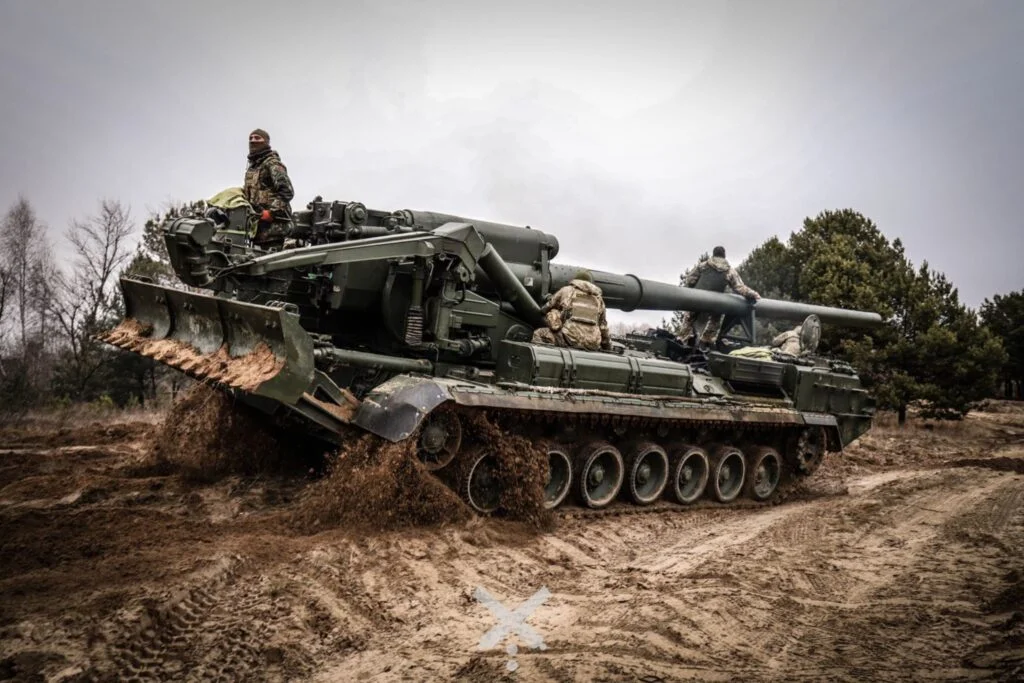
Later — to the Kharkiv region, where they began actively destroying the enemy. After that they moved to the Donetsk region, where they took active part in the battles in Donbas — near Bakhmut and Balakliia.
Later the fighters of the 43rd OABr were again redirected to the Kharkiv region, where Vitalii held the position of maintenance master. He worked near Vovchansk, Hlyboke, Dvorichne and Kupiansk.
“The hardest, if you take the whole period, was probably in Donetsk region. There the terrain is very difficult — lots of mud, clay, extremely hard to work and advance. Now it’s difficult in Kharkiv region because of enemy drones. There are many UAVs on both our and their side. The Russians really harass us with drones — they have an enormous number of them. Working in such conditions is incredibly hard,” emphasizes “Hutor”.
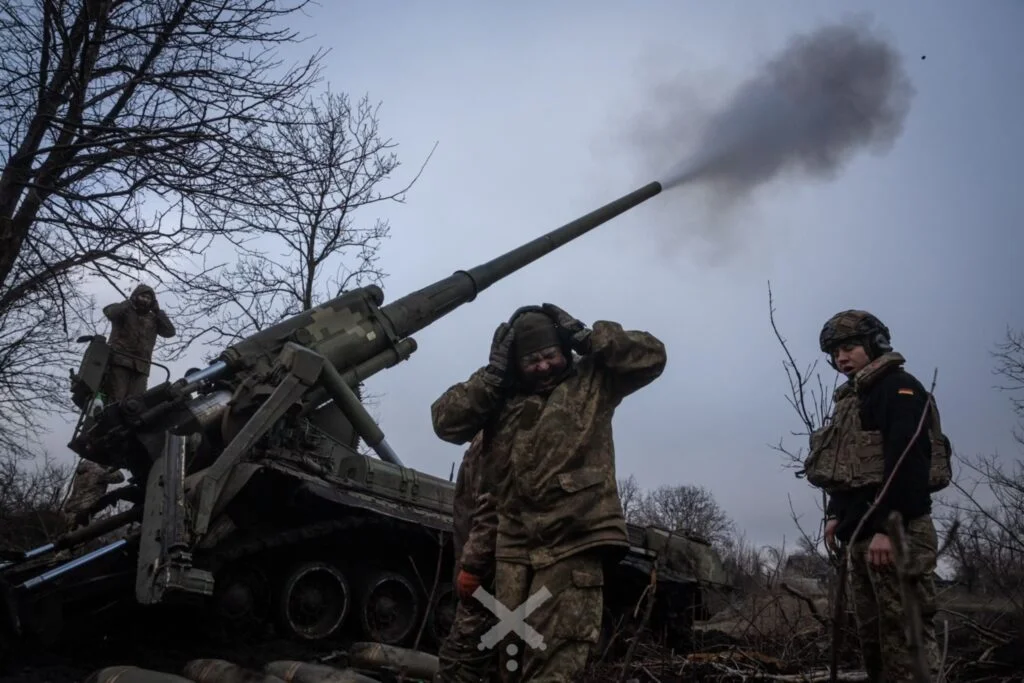
To minimize losses and expose fighters to less danger, the 43rd OABr is creating a unit of ground robotic complexes. According to Vitalii, the enemy actively hunts vehicles that deliver ammunition or provisions. Ground robotic complexes in this case open up opportunities for safer military service.
Currently the serviceman is undergoing training as an operator of ground robotic complexes.
“The peculiarity of working with GRCs is that it is very protected. It can even withstand a hit from an FPV drone — of course, if the strike does not hit the electronics. In general, the future of military affairs belongs to drones. Today you can do everything with them: from demining to striking the enemy. Types of GRCs are rapidly developing. You can already speak not only about logistics, but also about the elimination of enemy fortifications and manpower. It’s multifunctional and significantly reduces risks for people,” emphasizes “Hutor”.
He views talks about ending the war and potential peace agreements with irony. He says that soldiers on the hottest frontlines have no time to think about negotiations or the Russians’ promises.
“Remember the three-day ‘ceasefire’ that the Russians announced in May? I’ll tell you how it was. Already on the first day from seven in the morning we were taking hits. There is no trust in the Russians,” says Vitalii.
The serviceman reacts sharply to talks about possible territorial concessions, especially when it comes to his native left-bank.
“People who say, ‘Let’s give up territory,’ are people who have never been under occupation, don’t know what it’s like and do not have relatives there. Those who have lost their home, whose loved ones are in occupation, will not speak like that. How can you give the enemy your own home, where you were born and raised? I want to tell everyone: if you care about your relatives, parents and friends — defend your country. Because later it may be too late,” emphasizes Vitalii.
The 143rd OABr is currently collecting funds for the EW system “KREB” with 16 bands in order to provide ammunition transport to artillery firing positions.
You can support here: https://send.monobank.ua/jar/A3NfCrgDqt