

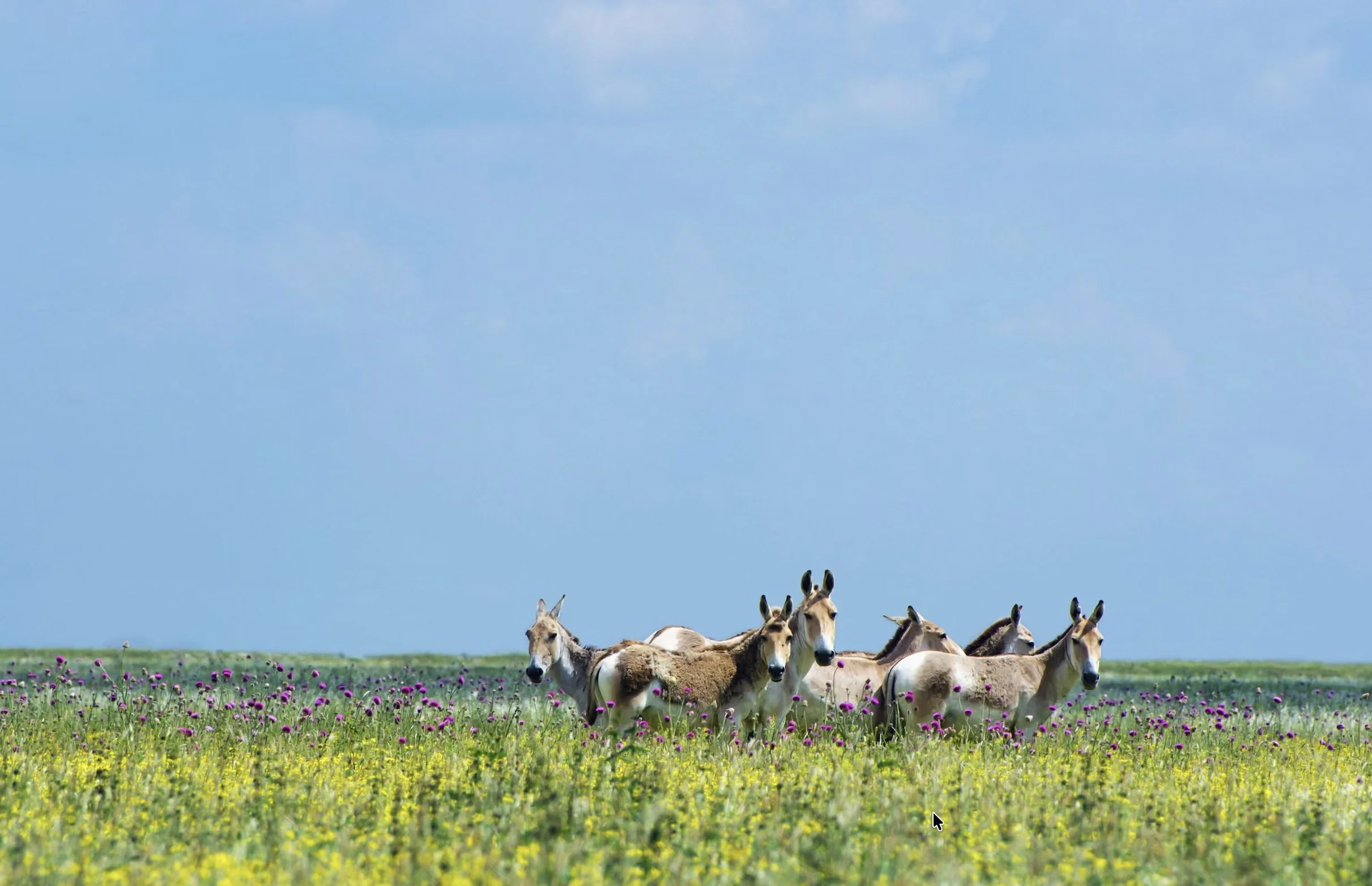
The occupied territories of the Kherson region, in particular the Askania-Nova biosphere reserve, due to extensive mine-laying, may remain inaccessible to Ukraine for decades or even centuries.
This is stated in an article by the British publication The Guardian.
According to zoologist and member of the Working Group on Assessment of the Environmental Consequences of the War Oleksiy Vasylyuk, the largest protected areas of the country are concentrated in the south of Ukraine. A significant portion of them is currently under Russian occupation. Vasylyuk notes that these lands account for almost 40% of all agricultural land in Ukraine and are of key importance for biodiversity conservation.
Scientists emphasize that mine-laying and the physical destruction of ecosystems have already caused serious damage to the reserves. In particular, in Askania-Nova Russian military dug trenches in the virgin steppe and took rare animals to other reserves.
Besides the destruction of protected areas, the war has effectively halted the work of scientific institutions in the Kherson region. Ukrainian scientists have lost contact with botanical sites in the region, and most researchers were forced to leave the occupied territories.
According to the acting director of the dendropark “Sofiivka” Volodymyr Hrabovyi, today Ukrainian scientists have no contact at all with botanical institutions in Crimea and in the Kherson region. He suggests that rare plants may have been destroyed or removed.
Recall that the territory of the biosphere reserve “Askania-Nova” has been occupied since 24 February 2022. In December 2024, the Russians “registered” it under their own legislation.
At the end of April 2024, information appeared that the reserve is in critical condition.
The lawful management of the Askania-Nova biosphere reserve confirmed the facts of the removal of the animal collection, Red Book losses of vegetation and the deaths of animals as a result of panic.