

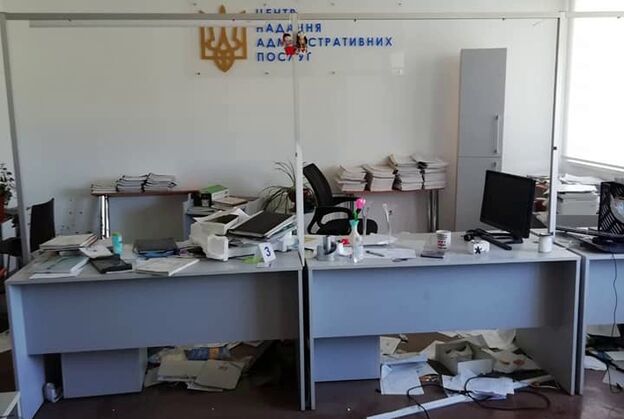
At the end of October 2022, Russian occupiers and local collaborators carried out and loaded into vehicles furniture, equipment, electric kettles and other items. That is how they looted the Kherson Center for the Provision of Administrative Services.
At the occupiers’ Centers for the Provision of Administrative Services computers and office equipment were especially attractive. And what the Russian marauders could not take away and what they did not consider necessary for themselves, they mercilessly smashed.
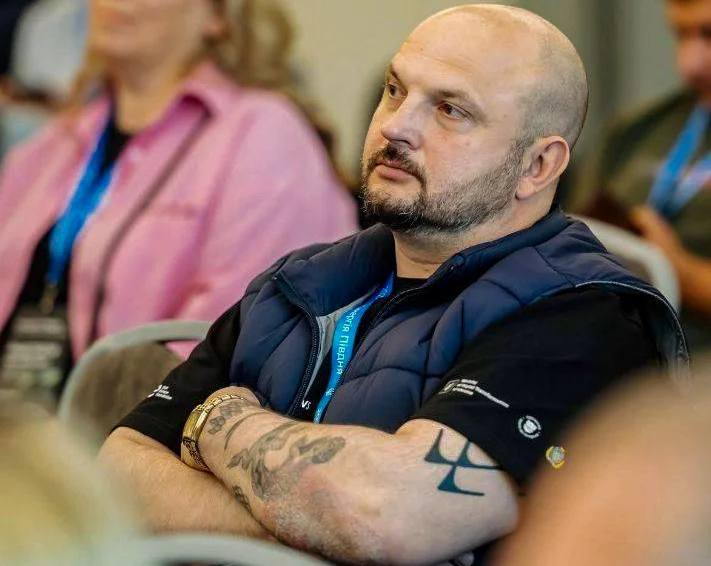
“After the de-occupation of the right-bank part of Kherson region, the system of Centers for the Provision of Administrative Services had to be restored almost from scratch. International partners helped a lot with this,” – says Ihor Nesterenko – head of the Digital Services Department of the Information Technology Directorate of the Kherson Regional Military Administration.
Currently, 49 Centers for the Provision of Administrative Services operate in Kherson region: 17 in the de-occupied part of the region and 32 are centers of relocated government bodies.
Registration, veteran and passport services: what is available to residents of the region
The range of administrative services currently provided by Kherson region’s Centers for the Provision of Administrative Services comprises over 200 services.
“First of all,” says Ihor Nesterenko, “these are registration of place of residence and issuance of extracts from community registers. Recently we finished connecting all the Centers in the de-occupied part of the region to the State Register of Property Rights so that they would be able to check the presence of property when registering residents in the territorial community register”.
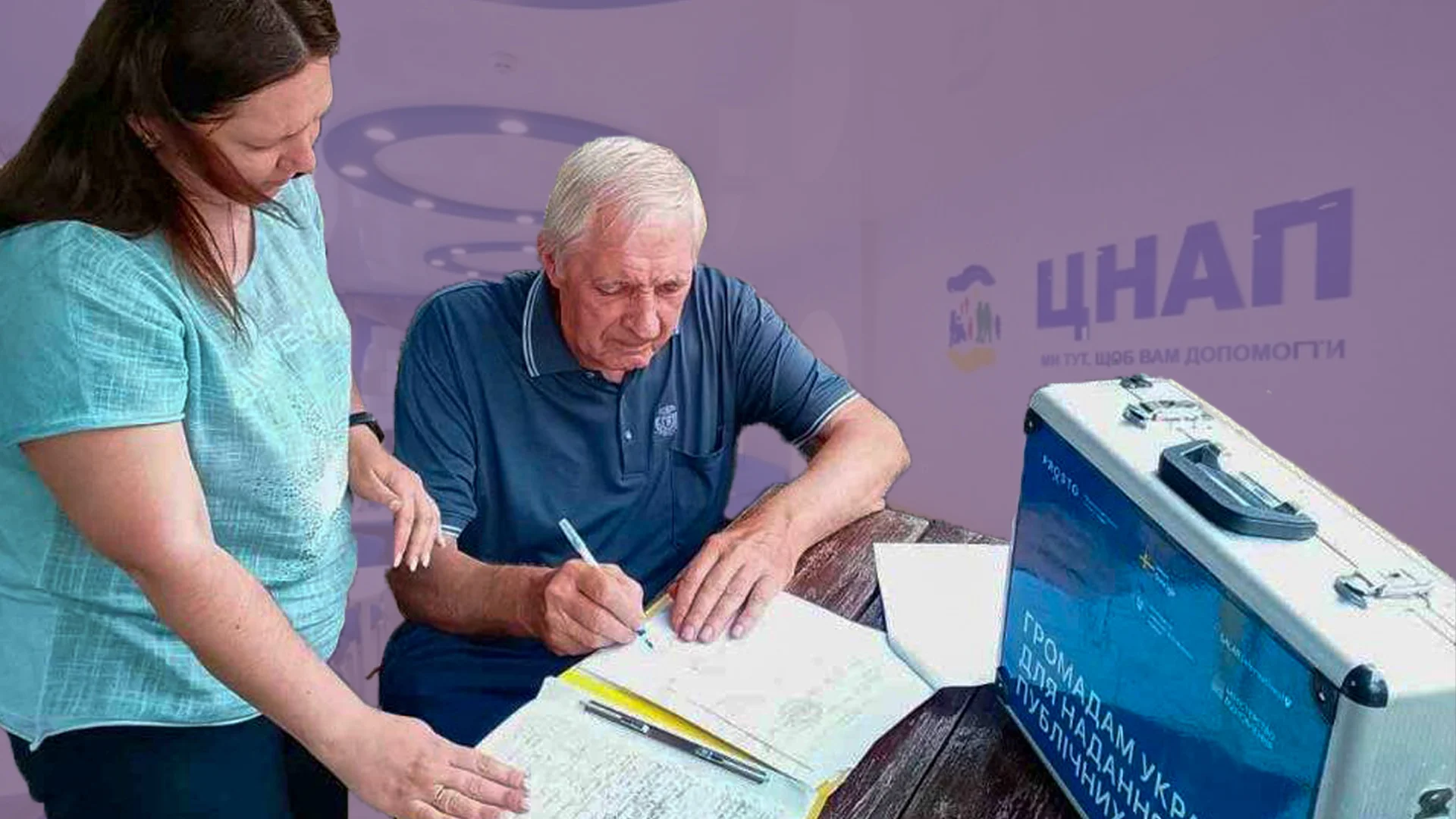
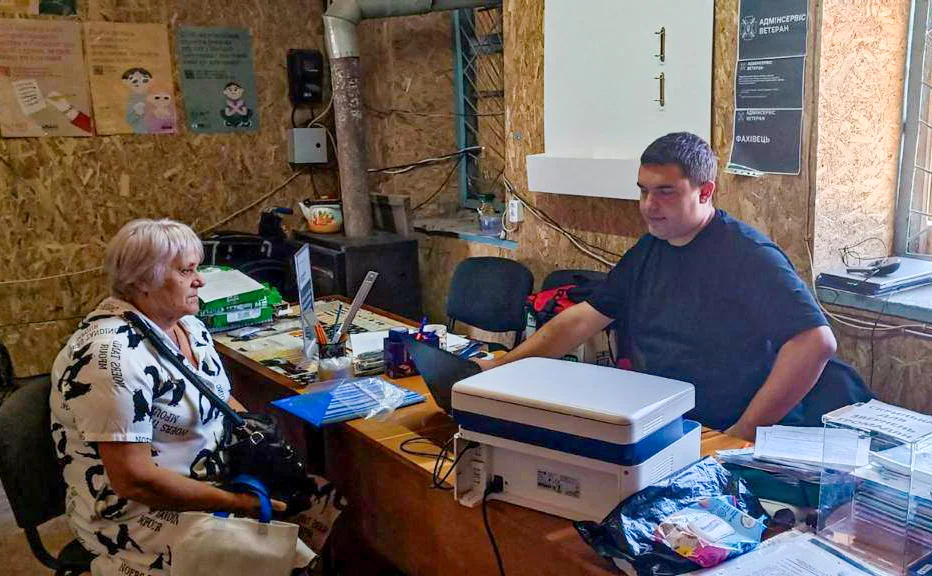
All Centers for the Provision of Administrative Services in Kherson region, according to Cabinet of Ministers resolution No.1226, provide over 20 veteran services under the “single window” principle. Veterans and their family members can obtain statuses (combatant, person with a disability, member of a deceased serviceman’s family, etc.), receive identification cards, apply for one-time assistance, housing compensation. They can receive services related to the Unified State Register of War Veterans.
In two communities of Kherson region the Centers have the ability to provide passport services. These are the Kherson and Vysokopillia communities.
“We expect,” says Ihor Nesterenko, “that soon there will be more communities whose residents will be able to process passports at the Centers. Requests for passport stations, i.e., equipment for issuing passports, were submitted by Daryivska and Kochubeyivska communities”.
The equipment will be provided by the EGAP program “E-Governance for Accountability and Participation”, which is financed by the Swiss government and implemented by the “East Europe” Foundation.
According to Ihor Nesterenko, Kherson region is one of the Ukrainian regions participating in this program.
“The program,” the official explains, “also includes Chornobaivska, Vysokopillia, Velyka Oleksandrivka and Kherson communities. They underwent an assessment of digital capacity. Certain shortcomings were identified, which are being addressed by community leaders and digital service units. Overall, the EGAP program provides both technical and methodological assistance”.
Why the region began updating residents’ data in community registers
Last year residents of Kherson region — whether living in the region, internally displaced, or abroad — received notifications about the need to update data in the registers of their territorial communities. This prompted various rumors. But, according to Ihor Nesterenko, there is no need to resort to conspiracy theories.
“Recently,” he says, “all Centers restored access to community registers, which created the need to update the data about residents in these registers so they could receive administrative services. Citizens can update their data either via the “Diia” portal or by visiting a Center”.
The data update campaign was launched based on an analysis of problematic issues raised by citizens: “About 85% of inquiries related specifically to information about people in community registers and the need to make certain changes to that information. Therefore, in cooperation with the State Migration Service, we initiated a data update campaign”.
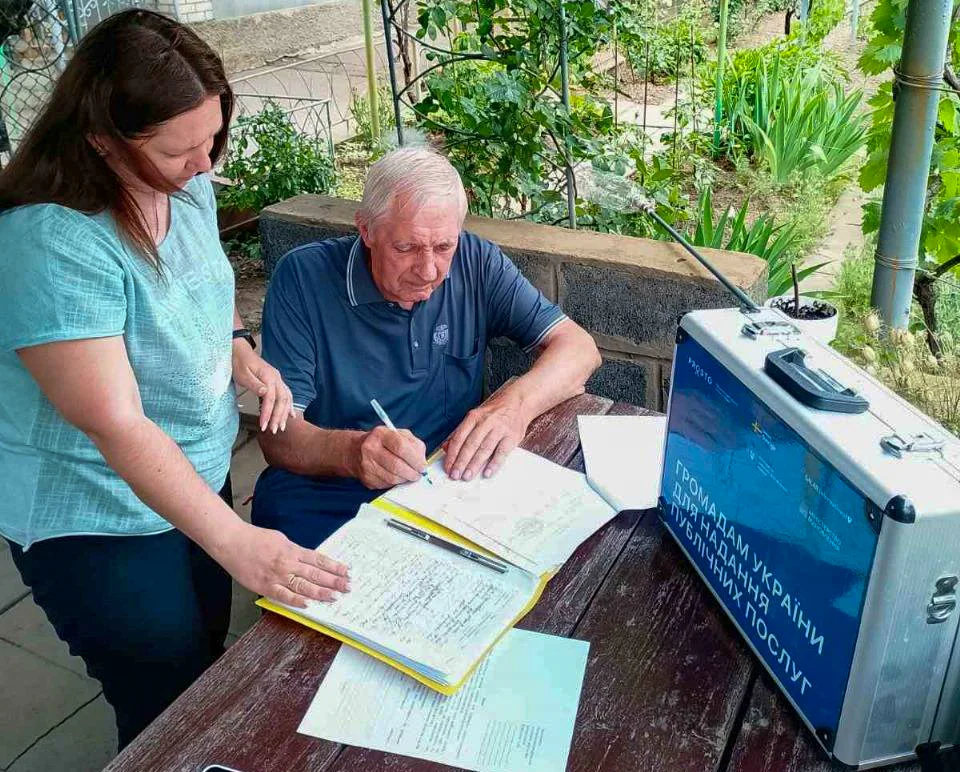
According to the head of the Digital Services Department, in the Kherson community alone over 150,000 residents have already updated their data.
How do relocated Centers from occupied territories operate?
The work of the Centers of government bodies from areas of Kherson region temporarily occupied by Russia differs somewhat from the work of Centers in de-occupied territories.
“According to legislation on administrative services,” Ihor Nesterenko explains, “the head of the body where a Center department is created determines the place of provision of administrative services. But relocated departments do not have the opportunity to provide services in their own territory, and determining the place of service provision on another territory is unlawful. Therefore, cooperation agreements are concluded with host communities, which define the place of provision of administrative services”.
One of these relocated Centers — the department of the Center for the Provision of Administrative Services of the Myrne settlement council of Skadovsk district, Kherson region — operates in the city of Dnipro at the Coordination Center for Aid to IDPs from Kherson region “Free Together”.
“Currently,” says Alla Kudrya, head of the department, “we provide 32 services. Because the community is temporarily occupied, there is no possibility to open access to absolutely all registers and accordingly to provide all services”.
In this Center, according to its head, services are provided for registration of place of residence, pension and veteran services. The latter comprise 11 services in which the Center accepts documents and forwards them to the Ministry for Veterans’ Affairs. There is also a service for issuing a deferment from conscription for military service during mobilization. There is a service for submitting an information notice about damaged property.
“Relocated Centers of government bodies,” says Ihor Nesterenko, “are connected to the territorial community register, to the State Register of Property Rights to immovable property, to the portal of the Unified State Electronic System in the field of construction, to the “Diia” portal. We are also connected to the register of damaged and destroyed property, to the information system “Social Community”, to the Centralized Database on Disability Issues, to the Pension Fund of Ukraine, to the information system “Vulyk” (a subsystem of the nationwide System of electronic interaction of executive authorities – MOST), to the Unified Information System of the Social Sphere, and to the Unified Register of War Veterans”.
Alla Kudrya says that the CNAP department of the Myrne settlement council provided 416 administrative services in 2025 and approximately the same number of consultations: “A significant part of the services is updating residents’ data in the community register via email and during personal visits”.
On the day we spoke, Alla Kudrya was preparing for a business trip to Odesa: “I am going to register the place of residence of a newborn child. This procedure requires the personal presence of the parents. They are IDPs from Kherson region: the mother is from one community, the father from another, but they want to register the child in our community. We have funds allocated for travel to provide this service if the family cannot come to Dnipro”.
According to Alla Kudrya, the services provided by her Center are divided into services exclusively for residents of Myrne community and extraterritorial services that can be provided to any citizen of Ukraine regardless of place of registration.
“Extrate rritorial services,” the head of the Center’s department explains, “are: issuance of extracts from community registers, processing deferments from conscription for military service, veteran services, submission of a notice about damaged property. Because our community is located in the temporarily occupied territory (TOT), we cannot provide all services. Some services are not provided due to the absence of separate premises and appropriate equipment”.
Currently the Myrne community’s Center has a workplace in the Dnipro hub “Free Together”. Alla Kudrya and Olena Velychko work there — an intern who filled the vacant administrator position of the Center.
Olena is originally from Kherson region. Until 2013 she lived in the settlement of Chaplynka, then moved to Dnipro after enrolling at the University of Customs and Finance. She obtained a degree in economics. She worked for seven years at one of Dnipro’s enterprises.
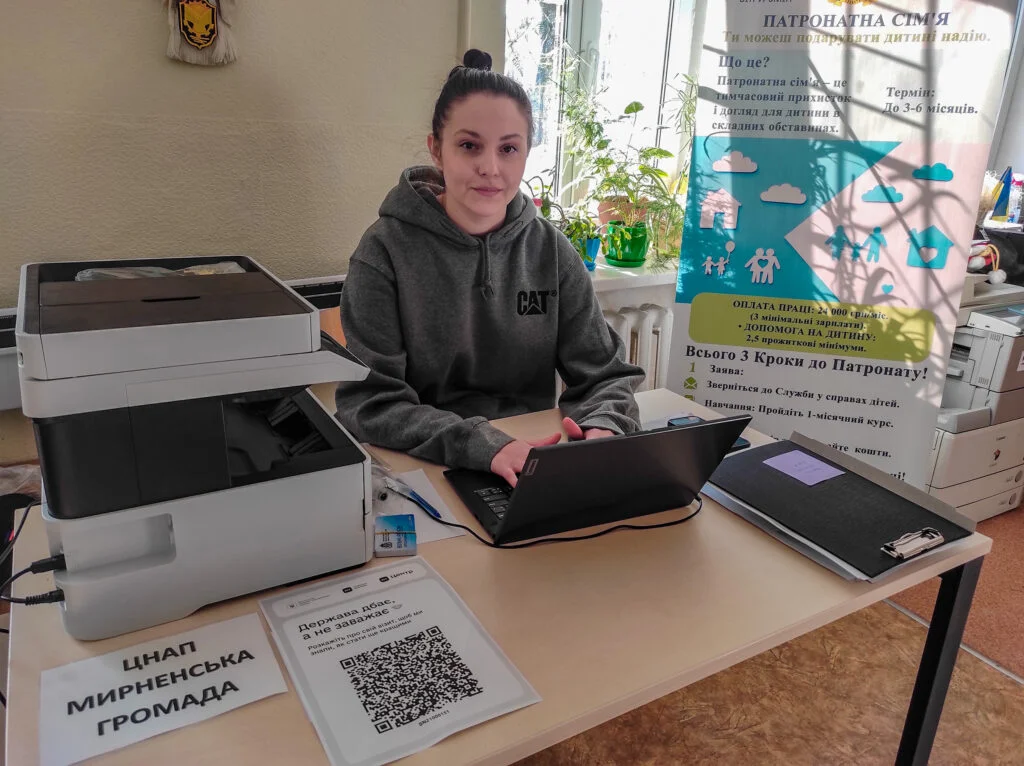
“The enterprise,” Olena says, “suffered greatly as a result of Russian shelling, which forced it to reduce a significant part of its staff. I was left without work. And at the Kherson hub, which I often visited to participate in various events, they mentioned the vacancy. I like the job”.
According to the head of the Digital Services Department of the Information Technology Directorate of the Kherson Regional Military Administration Ihor Nesterenko, as of early 2022 the region was one of the best in Ukraine in terms of material and technical provision of Centers for the Provision of Administrative Services.
“We,” he says, “had passport stations, special printers for printing driver’s licenses, and much other equipment”.
Much equipment remained in the temporarily occupied part of Kherson region. In the right-bank area de-occupied in autumn 2022 the Centers were looted and smashed. The restoration of this system is still ongoing. In de-occupied communities, including Kherson, the pre-war range of administrative services has been fully restored and new ones are being introduced. Many Centers, especially relocated ones, can still provide only a relatively small list of services. But overall the system of Administrative Service Centers in Kherson region is operating and, despite major problems, is developing.