

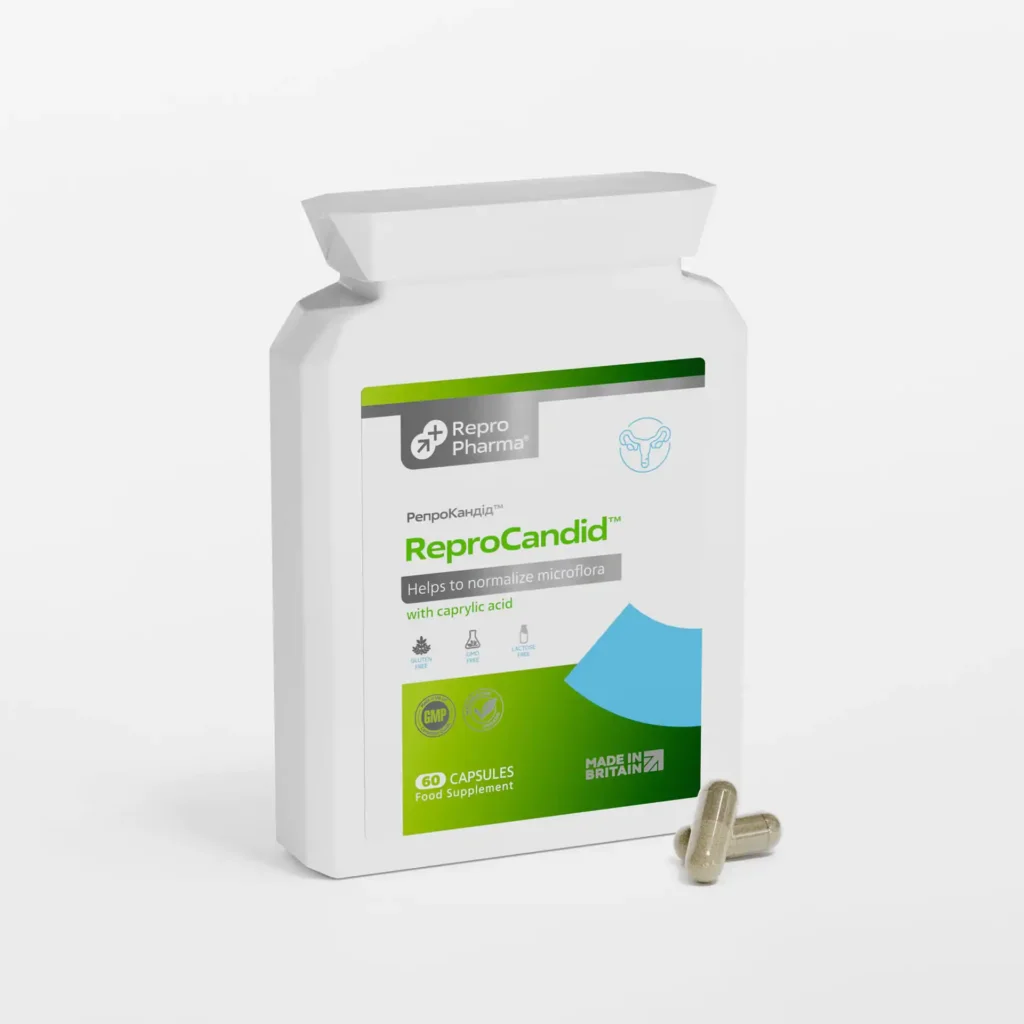
Many women encounter thrush at various stages of life, and the issue becomes especially acute when it comes to preparing for conception. Yeast-like fungi of the genus Candida live in most of us, but under certain conditions their activity sharply increases. In medical articles often mentioned ReroKandid as an example of a modern approach to studying the resistance of fungal infections. Although the name sounds fairly technical, in everyday life a woman primarily faces not laboratory terms but discomfort, itching, pain, and doubts about future pregnancy.
Why candidiasis should not be ignored
The symptoms of thrush seem familiar to many: unpleasant discharge, itching, a burning sensation. At the same time, during the period of planning a child even mild manifestations matter, since any disturbance of the microflora can affect the ability to conceive. Often the infection becomes chronic, flares up after menstruation or in the context of stress. If the problem is left unattended, there is a risk of complications during pregnancy — from discomfort for the expectant mother to possible problems in the fetus.
Impact of candidiasis on pregnancy
When inflammation is not treated, it can spread, creating a favorable environment for other infections. During pregnancy the immune system is naturally lowered so that the body does not reject the fetus, and this makes fungal cells even more active. In some cases thrush can cause premature labor, an increased likelihood of tears during delivery, or infection of the newborn while passing through the birth canal. That is why doctors advise not to postpone treatment until later, but to resolve the problem before pregnancy occurs.
How to prepare for conception if prone to candidiasis
First of all, it is important to distinguish true candidiasis from other infections that have similar symptoms. Self-treatment often does not produce results, and sometimes even worsens the situation. A gynecologist can order tests and select therapy taking into account individual characteristics. By the way, modern clinics apply a comprehensive approach: they treat not only the woman but also the partner to avoid reinfections.
To better understand what to pay attention to when preparing for pregnancy, it is worth highlighting several important points:
- Regular check-ups with a gynecologist before attempting conception.
- Use of antifungal medications prescribed by a doctor, not random products from advertisements.
- Dietary adjustments limiting sugar and yeast-containing products.
- Care for the immune system — from adequate sleep to physical activity.
- Simultaneous treatment of both partners in case of recurrent episodes.
Such steps reduce the risk of flare-ups during pregnancy and make the preparation process more predictable.
The role of lifestyle in prevention
In addition to medications, daily habits matter. Tight synthetic underwear creates a greenhouse effect in which fungi feel especially comfortable. Frequent use of aggressive intimate hygiene products can also disrupt the natural balance. Doctors advise favoring natural fabrics, maintaining a varied diet with an adequate amount of vegetables, and avoiding excessive consumption of sweets. None of this gives an absolute guarantee, but it reduces the likelihood of another flare-up.
Conclusion
Candidiasis is not fatal but an extremely unpleasant problem, especially when it comes to future motherhood. A conscious approach to treatment and prevention helps not only to relieve symptoms but also to increase the chances of a healthy pregnancy. The main thing is not to ignore the body’s first signals, trust your doctor, and remember: careful preparation today can protect you from unnecessary risks tomorrow.